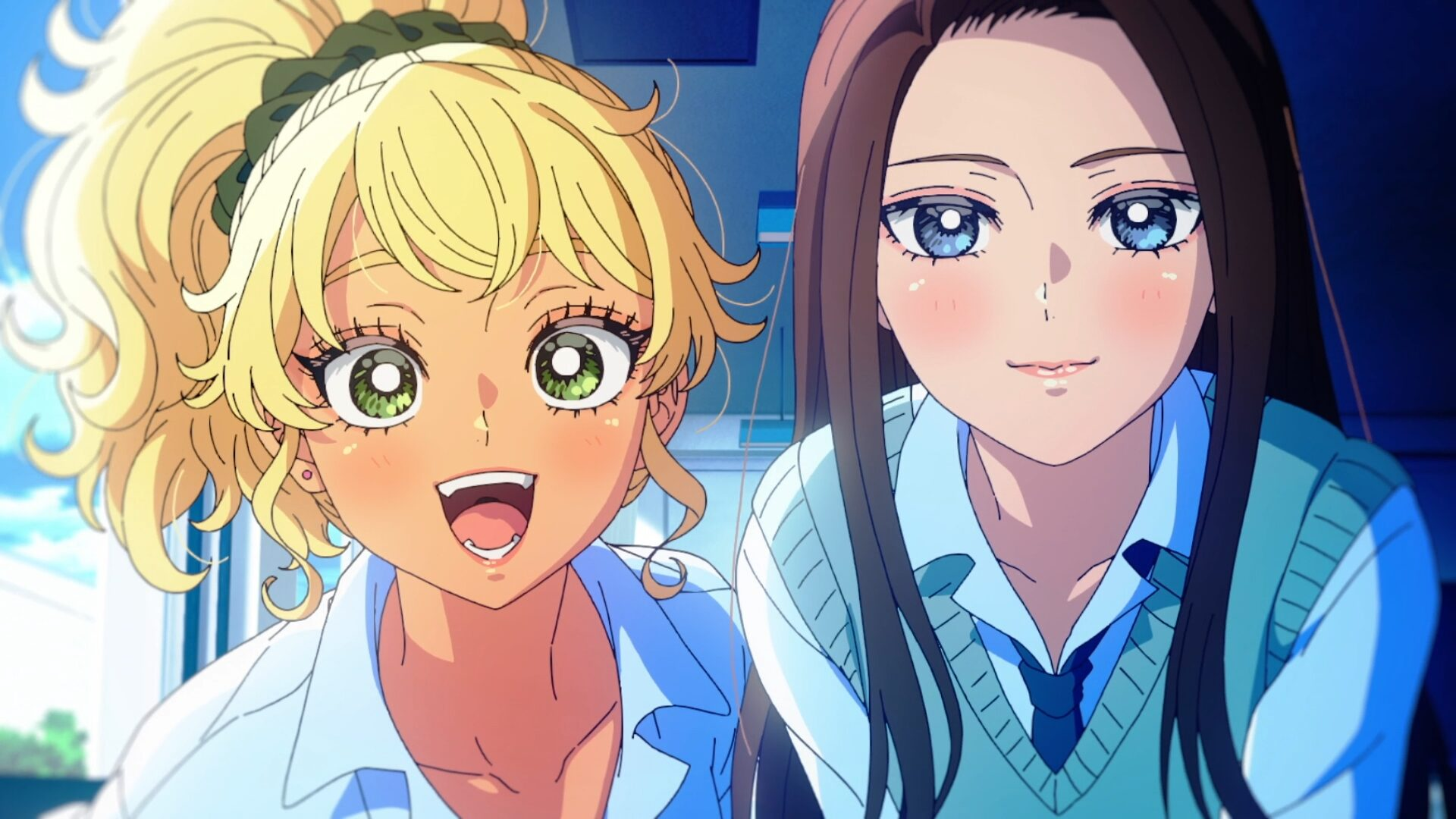

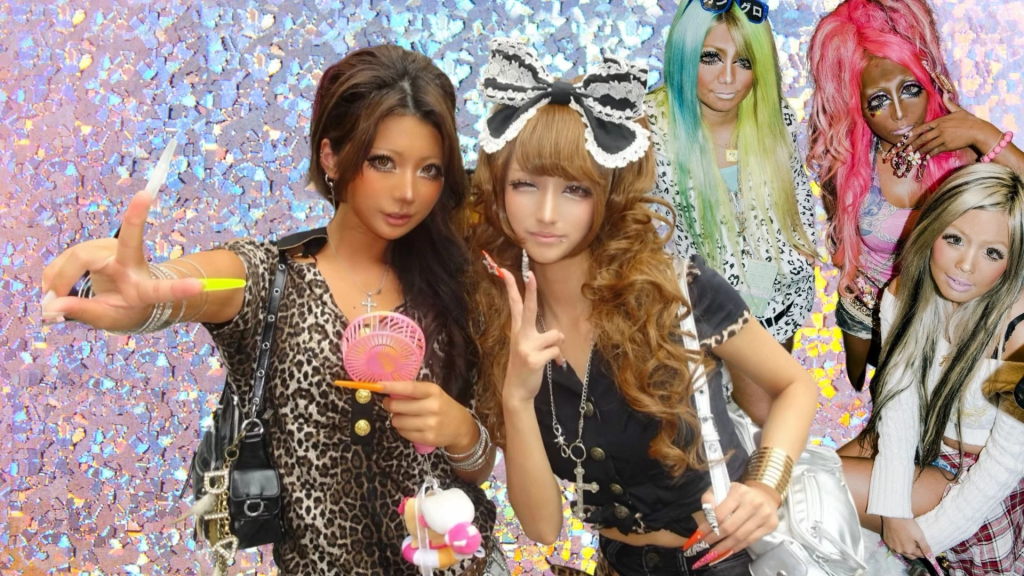
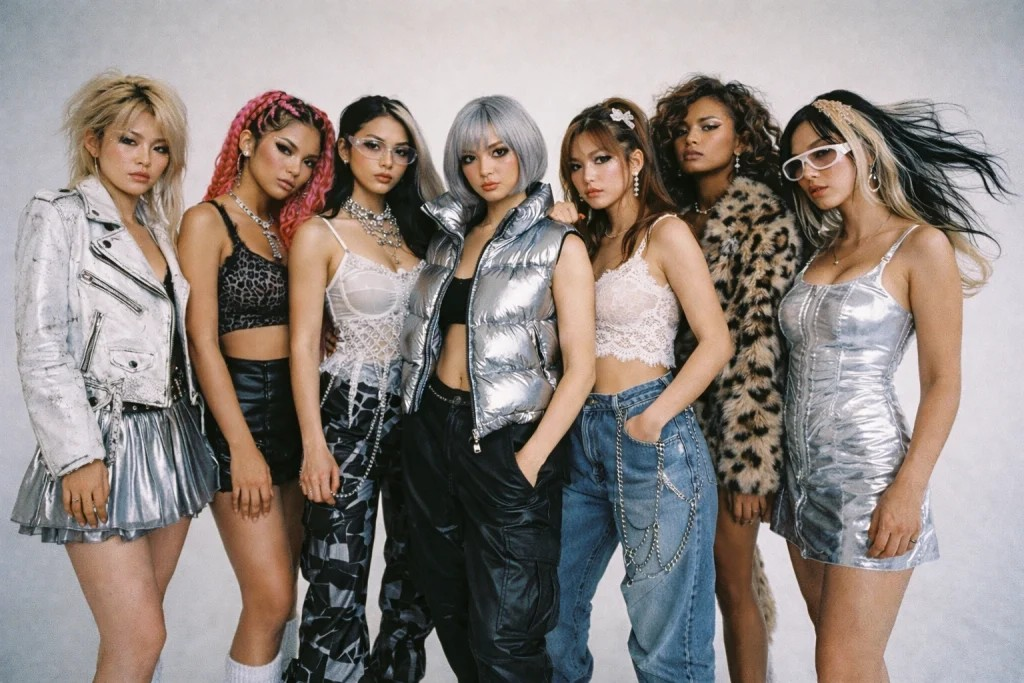
Gyaru characters have made a memorable impact on anime and manga, representing bold fashion, individuality, and evolving youth culture. You’ll notice these series span every corner of the industry — if the Shoujo, Shounen, and Seinen labels below aren’t familiar, our guide to every anime demographic explained breaks down what each one actually means. Here are some of the most notable series featuring gyaru characters, each offering a unique perspective on the subculture.
Gals! (2001)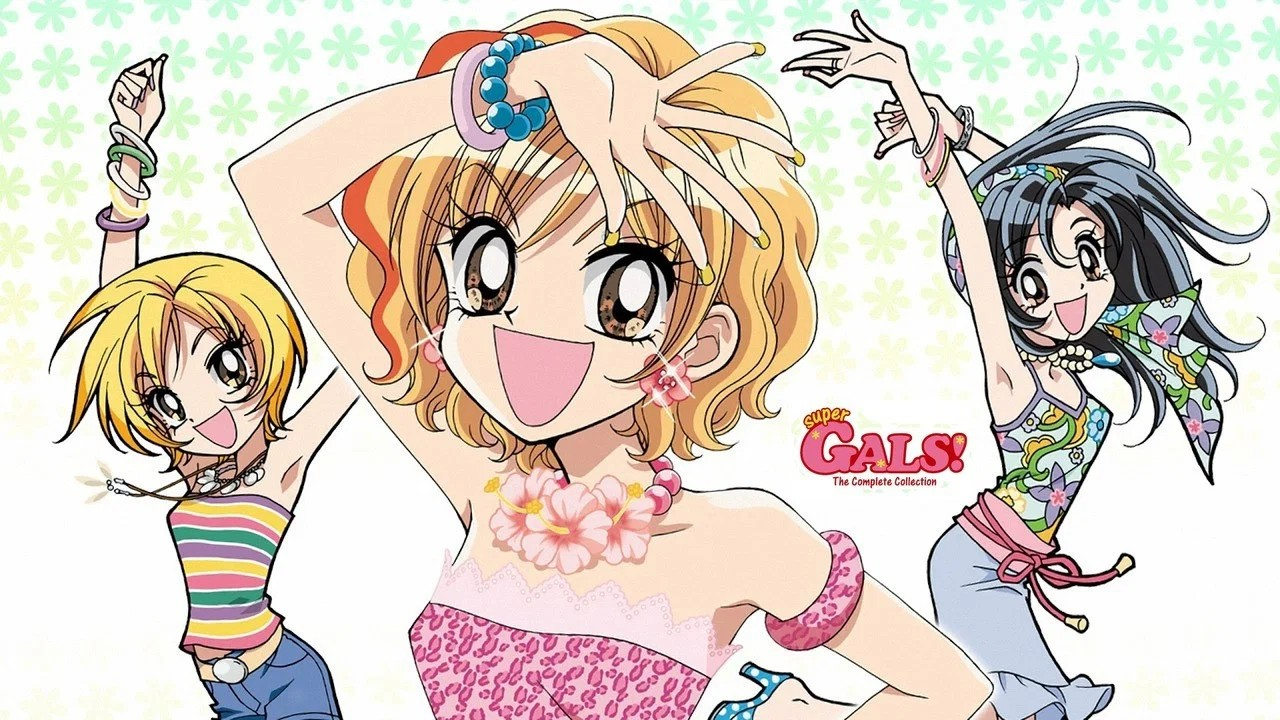
Author: Mihona Fujii Genre: Comedy, Slice of Life, Romance, School Life, and Drama Demographic: Shoujo Manga: 10 volumes, 40 chapters (1998–2002) Anime: 52 episodes
Summary: Set at the heart of Shibuya, Gals! follows Ran Kotobuki, a bold and charismatic high schooler determined to live as the “world’s greatest gal.” Alongside her friends Miyu Yamazaki and Aya Hoshino, the trio navigates friendship, romance, and coming-of-age struggles, all while celebrating the vibrant, rebellious, and fashionable spirit of gyaru culture.
Gyaru Connection: Gals! is the quintessential gyaru (gal) anime and manga, offering a lively and authentic window into the late-90s and early-2000s gyaru scene. Its cast, vibrant colors, outstanding fashion, and Shibuya setting make it the definitive celebration of gyaru values, friendship, and self-expression.
Peach Girl (2005)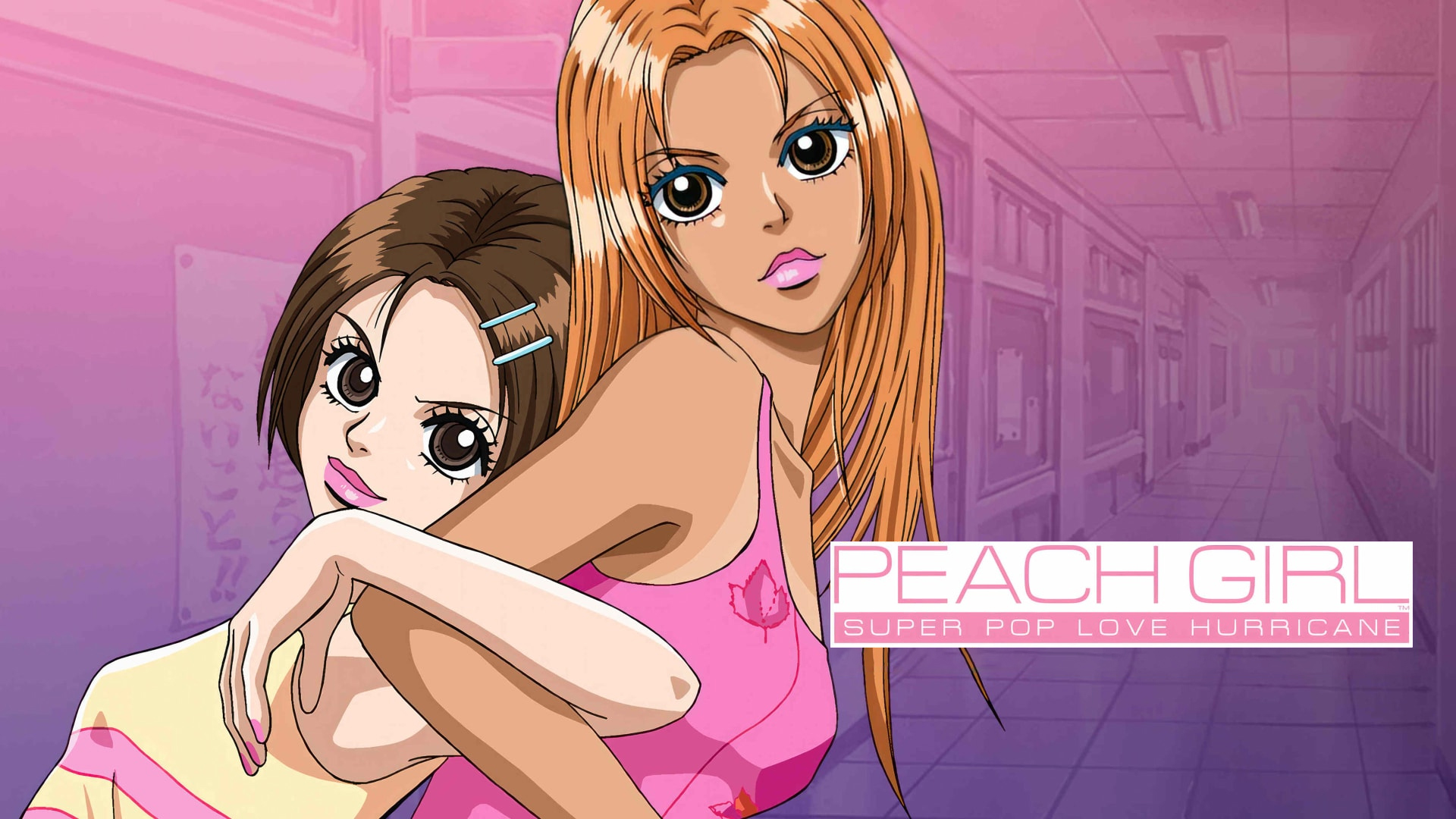
Author: Miwa Ueda Genre: Romance, Drama, Love Polygon Demographic: Shoujo Manga: 18 volumes, 72 chapters (1997–2003) Anime: 25 episodes
Summary: Meet Momo Adachi, a 16-year-old high school student at Tonan High School. With tanned skin and bleached hair — the result of her time on her middle school swim team — Momo becomes the target of relentless rumors and jealousy because of her looks, much of it fueled by her so-called best friend, Sae Kashiwagi, who is secretly envious and constantly tries to sabotage Momo’s happiness.
Despite the false accusations, Momo is genuinely sweet, loyal, and kind-hearted, and simply wants to enjoy a normal high school life. She soon finds herself caught in a complicated love triangle between her first love and middle school friend, Kazuya Toujigamori, and her classmate Kairi Okayasu, forcing her to face her insecurities and discover her own self-worth.
Gyaru Connection: Momo may not be a gyaru herself, but she often gets the label because classmates stereotype her appearance and spread malicious rumors. Her story serves as a powerful critique of the societal prejudices surrounding the gyaru subculture during the late 1990s and early 2000s, highlighting how easy it is for people to judge others based solely on looks. Throughout the series, Momo learns to love herself, embracing both her personality and her unique, trendsetting style — earning her a devoted fanbase and lasting recognition as a style icon.
Hokkaido Gals Are Super Adorable! (2024)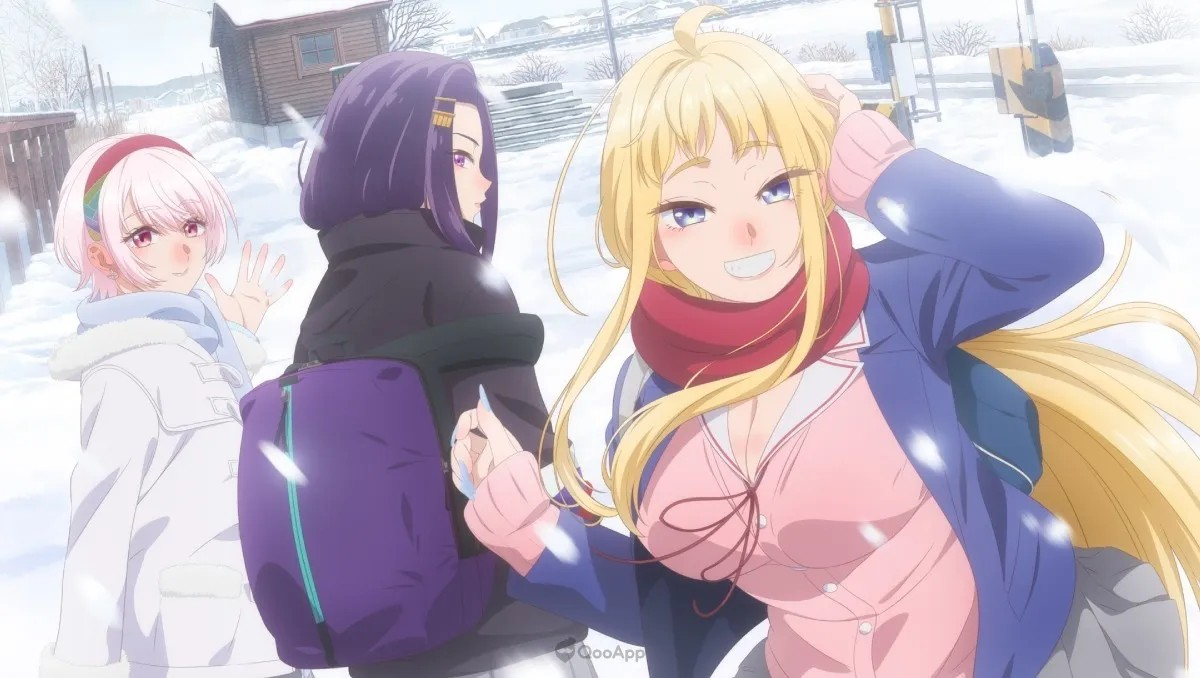
Author: Kai Ikada Genre: Romance, Comedy, School Life Demographic: Shounen Manga: 14 volumes, 124 chapters (2019–2024) Anime: 12 episodes
Summary: Tsubasa Shiki, a 16-year-old transfer student from Tokyo, moves to the snowy city of Hokkaido, where he’s introduced to a whole new world by his classmate Minami Fuyuki — a cheerful, friendly, and fashion-forward gyaru. As Tsubasa adjusts to small-town life, he finds himself drawn into a vibrant circle that includes Sayuri Akino, a reserved and passionate gamer gyaru, and Rena Natsukawa, the elegant and intelligent “gyaru-senpai.” Together, they navigate the ups and downs of high school, blending romance, rivalry, and friendship with the distinctive charm of Hokkaido.
Gyaru Connection: The series celebrates the diversity and evolving nature of gyaru outside its traditional origins in Shibuya. Minami embodies the classic look and warmth of a Hokkaido gyaru, Sayuri stands out as the introverted, pro-level gamer gal, and Rena balances fashionable style with academic excellence and elegance — showing how the gyaru spirit can be uniquely expressed across very different personalities. It’s also a great pick if you enjoy romance anime where the girl confesses first, since Minami is never shy about making the first move.
More Than a Married Couple, But Not Lovers (2022)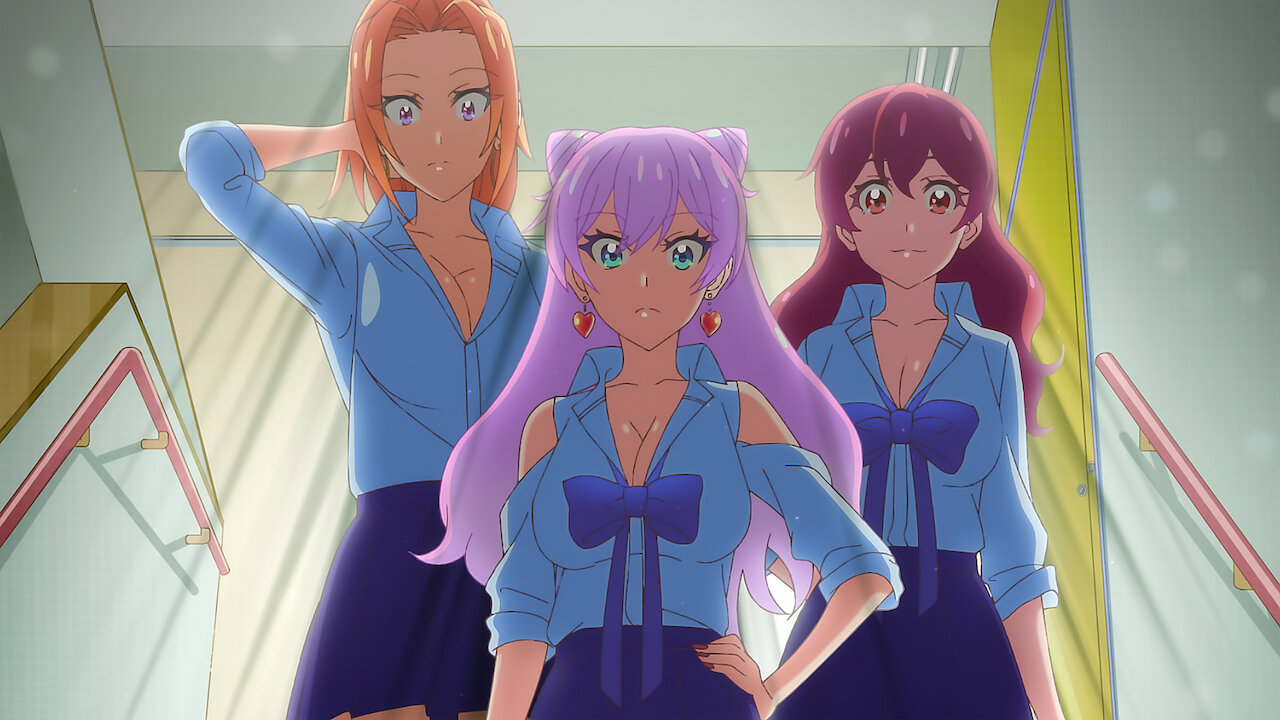
Author: Yuki Kanamaru Genre: Romance, Comedy, School Life, Love Polygon Demographic: Seinen Manga: 13 volumes (March 2018–present) Anime: 12 episodes
Summary: Third-year high schooler Jiro Yakuin is the ultimate introvert who’d rather game alone than face the chaos of teenage social life. His secret? He’s in love with his childhood friend, Shiori Sakurazaka — but everything changes when their high school launches a “couples training” program that pairs students up to simulate married life, judging them strictly on their partnership skills.
Jiro dreams of being paired with Shiori, but fate has other plans: he’s matched with Akari Watanabe, the school’s outgoing, beautiful, and stylish gyaru, who wants to be paired with her own crush, the popular Minami Tenjin. Both see the program as their chance to win over their respective crushes by earning enough points to swap partners, so they agree to fake the perfect marriage. What starts as reluctant teamwork soon turns into something much more complicated, as Jiro and Akari’s fake affection slowly morphs into genuine feelings.
Gyaru Connection: Akari is the series’ heart and soul, redefining what it means to be a gyaru. On the surface, she’s the classic extroverted, confident, and fashion-forward girl. But beneath that bright exterior lies a genuinely sweet, shy, and kind-hearted person who cares deeply for her friends — and increasingly, for Jiro. Her journey from a seemingly stereotypical gyaru to a beloved heroine is what makes Akari so compelling, showing that being a gyaru is about self-expression, inner strength, and authenticity. Jiro and Akari’s slow-burn arc also earns them a spot among the anime couples that’ll restore your faith in love.
Other Series Featuring Gyaru
1. Gal Samurai: Author: Shiragiri Yamaguchi | Art: Masahiro Suematsu | Genre: Comedy, Drama, Romance, Martial Arts | Demographic: Shoujo | Manga: 7 volumes, 70 chapters (November 2004–July 2010, completed)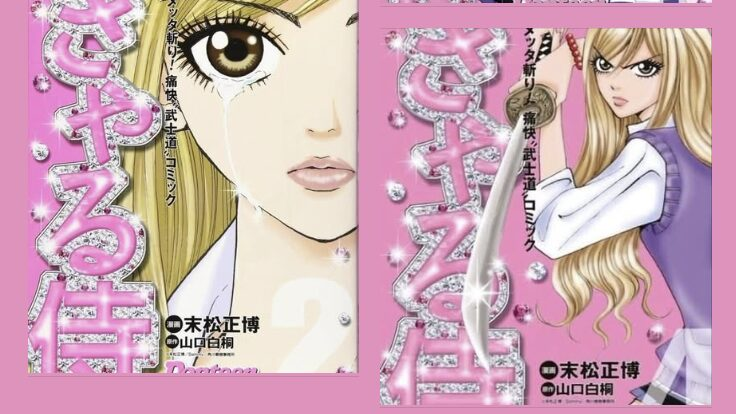
Meet Ran Kirishima, a high school junior at Maizono High School living life as a vibrant “gal” who loves shopping in Shibuya, dreams of becoming a fashion designer, and secretly harbors feelings for her upperclassman, Fujii-senpai. But beneath her stylish exterior, Ran has a secret: she’s the heir to her family’s Shuwashi-ryu martial arts tradition. Raised by her grandfather in the countryside after her parents’ separation, Ran trained relentlessly and inherited a strong sense of bushido, and she isn’t afraid to confront bullies, perverts, or anyone causing harm.
Gyaru Connection: Ran embodies the gyaru spirit with her bold style, confidence, and fearless attitude, proving that being a gal is about more than fashion — it’s about courage, individuality, and standing up for what’s right.
2. My Roomie Is a Dino: Author: Moriko Mori | Art: Cota Tomimura | Genre: Comedy, Slice of Life | Demographic: Seinen | Manga: 7 volumes, roughly 105 chapters | Anime: 12 episodes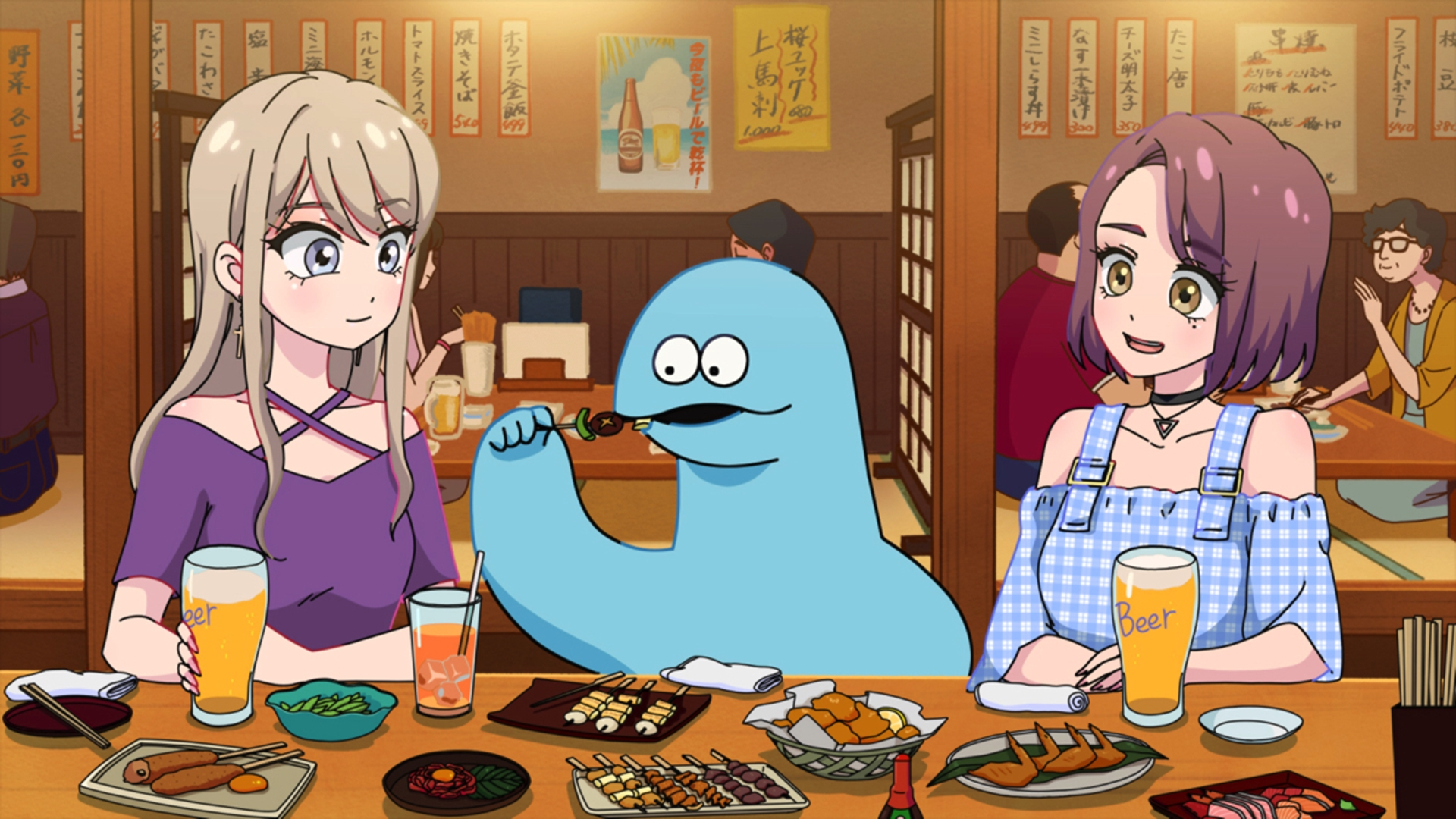
Also known as Gal & Dino, this series follows Kaede, a carefree gyaru whose life takes a surreal turn when she wakes up to find she’s brought home a dinosaur after a night of partying. Rather than panic, Kaede rolls with it, and the two settle into an unexpected but adorable daily routine full of absurd gags and quirky adventures.
Gyaru Connection: Kaede perfectly captures the modern gyaru spirit — fashionable, outgoing, and wonderfully open-minded. Her easy acceptance of her prehistoric roommate and laid-back approach to life highlight the best of gyaru culture: self-expression, positivity, and living life on your own terms.
3. Gals Can’t Be Kind to Otaku!?: Story: Norishiro-chan | Art: Sakana Uozumi Genre: Romantic Comedy, School Life, Otaku Culture Demographic: Seinen Manga: Ongoing (August 2021–present) Anime: 12 episodes (April 8–June 24, 2026) MAL Scores: roughly 7.5+ (Anime), roughly 7.6 (Manga)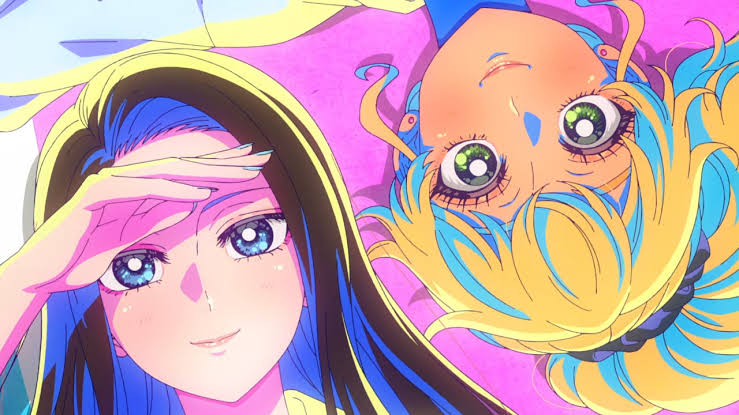
Meet Takuya Seo, a shy high school otaku who keeps his obsession with the magical girl anime Glittery Monpets a closely guarded secret. He sits behind two of the school’s most dazzling gyaru girls, Kei Amane and Kotoko Ijichi, never imagining their worlds could collide — until a dropped eraser sparks a conversation about anime, and Takuya learns Kei is secretly a hardcore otaku too. The trio quickly bonds over late-night anime marathons, fandom debates, and real moments of vulnerability, eventually embracing an unconventional “throuple” dynamic that culminates in a heartfelt confession during the school festival fireworks.
The anime’s opening theme, “Hide and Seek” by (G)I-DLE, became an instant fan favorite for its vibrant split screens and high-energy visuals.
Gyaru Connection: Kei and Kotoko each showcase a different side of gyaru culture. Kei balances a chic, composed exterior with a secretly passionate otaku side, while Kotoko embodies classic gyaru energy — bold, fun-loving, and fiercely loyal, yet always willing to learn and grow for the people she cares about. Both girls shatter stereotypes, showing that being a gyaru isn’t just about fashion; it’s about self-expression, courage, and embracing what makes you unique.

Leave a Comment