
If you’ve been following this series, you already have a solid foundation:
- Part 1: Anime Demographics Explained covered who anime is made for — Shonen, Seinen, Shoujo, Josei and everything in between.
- Part 2: Anime Genres Explained covered what actually happens in the story — Isekai, Mecha, Slice of Life, Psychological and more.
Part 3 is where things get genuinely fun. Because this is the vocabulary that lives inside the community itself — the words fans use to describe characters, argue about shows, and communicate things that would take three paragraphs to explain otherwise. These are the terms that make anime twitter feel like a different language if you don’t know them. By the end of this, you will.
These terms are split into three groups. Character archetypes, which describe recurring personality types. Character and cultural tropes, which describe recurring visual or narrative patterns. And fandom vocabulary, which covers the production terms and community language that comes up constantly once you start going deeper into anime.
Let’s go through all of them.
The Dere Archetypes
The word dere comes from the Japanese deredere, which roughly means lovey-dovey or lovestruck. When you see it as a suffix on any of these terms, it’s signalling something about how a character expresses their feelings — or more often, how they fail to express them in increasingly entertaining ways.
These are some of the most commonly discussed character types in all of anime, and once you know them, you’ll start spotting them everywhere.
1. Tsundere
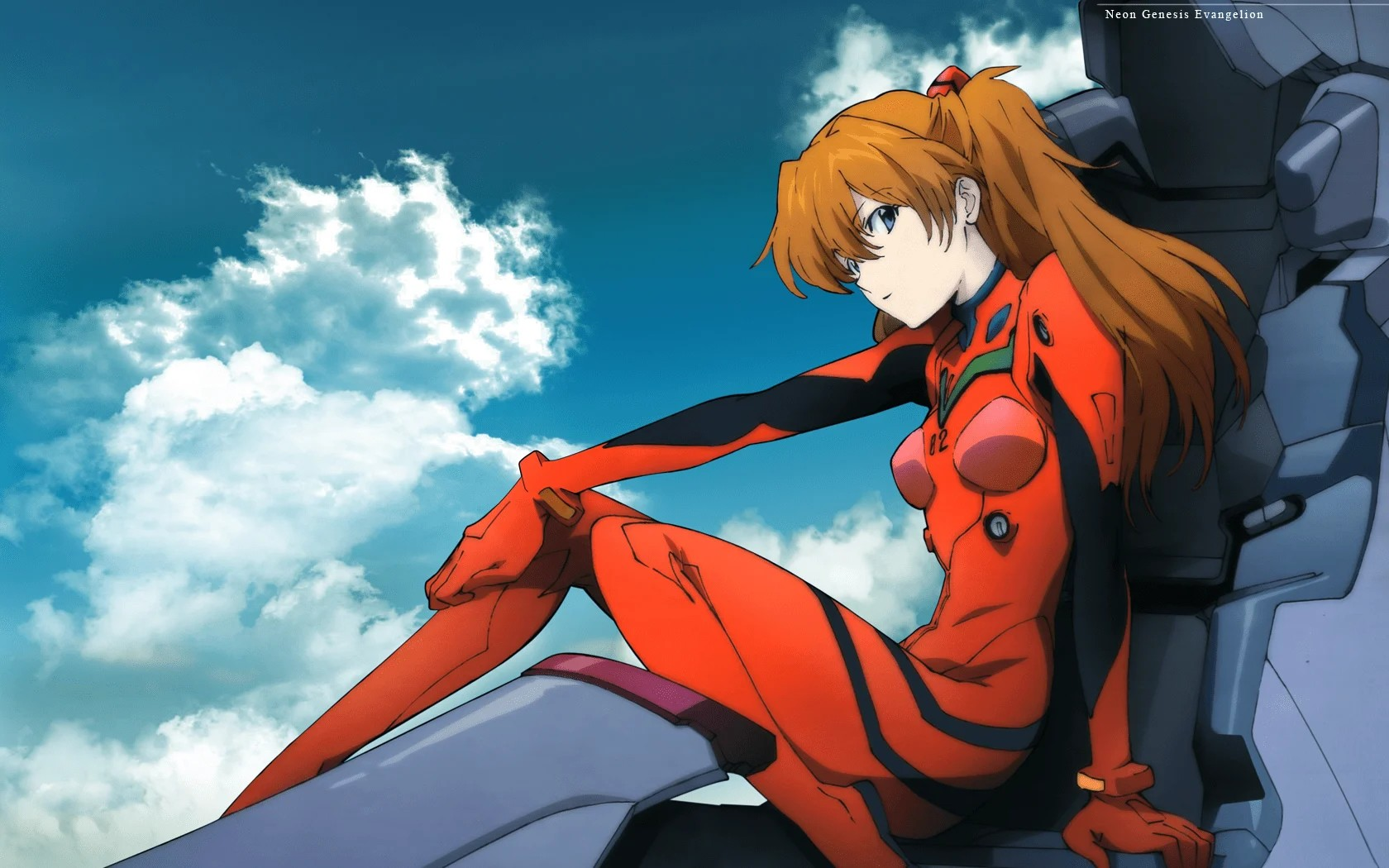
This is the one everyone knows even if they didn’t know the name.
A Tsundere is cold and hostile on the outside but genuinely warm underneath. The name combines tsuntsun (standoffish) with deredere. The classic Tsundere moment: character does something kind and immediately denies it. “It’s not like I made you lunch because I like you. I just had extra.” That energy, delivered with varying degrees of aggression, is pure Tsundere.
Asuka from Evangelion and Taiga from Toradora are the gold standard examples. Both work because the warmth feels earned rather than just stated. The archetype has been parodied endlessly, but when it’s written well the emotional payoff of watching someone’s walls come down is genuinely satisfying.
Relevant keywords: tsundere meaning, what is tsundere, tsundere anime characters explained
2. Yandere
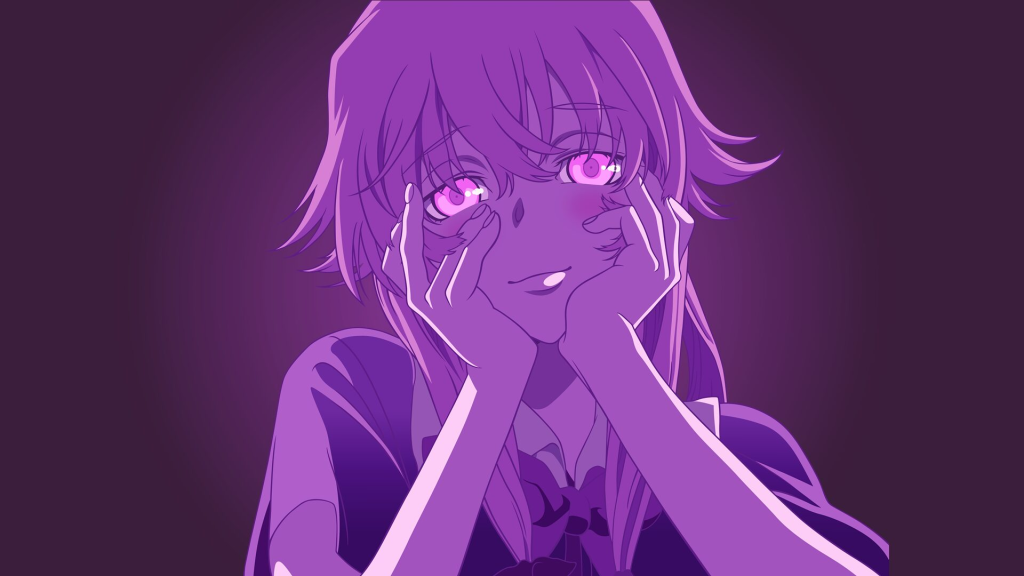
Where Tsundere hides feelings behind hostility, Yandere goes the opposite direction entirely. The name combines yanderu (mentally ill) with deredere. A Yandere starts out devoted and loving and tips into something obsessive and dangerous.
They don’t just love you — they love you to the exclusion of everything else, including your continued existence. “If I can’t have you, nobody can” was basically written for this archetype. Yuno Gasai from Future Diary is the textbook example — sweet on the surface, genuinely terrifying underneath.
Yandere has become something of an internet meme, but when used seriously in a story it produces psychological tension that genuinely stays with you.
Relevant keywords: yandere meaning, what is yandere, yandere characters anime
3. Kuudere
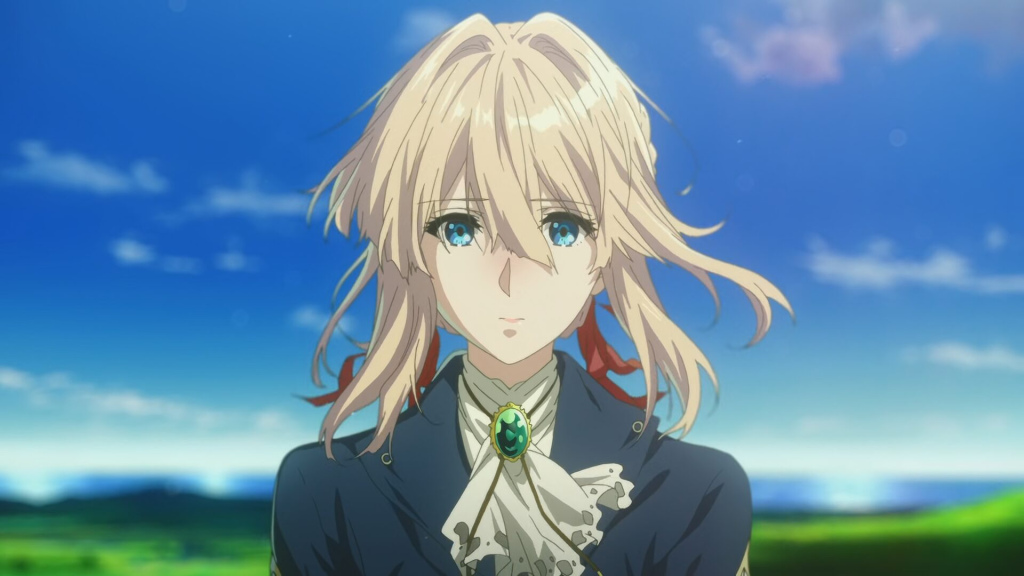
Kuudere combines the Japanese pronunciation of cool with deredere. A Kuudere is calm, composed and emotionally distant — not hostile like a Tsundere, just genuinely detached. They observe everything from behind a perfectly even expression and speak in measured, precise sentences.
The difference from just being cold is that the dere is still in there, buried deep. Rei Ayanami from Evangelion is the purest form. Violet Evergarden is a more recent example — methodical and distant in a way that slowly gives way to something deeply felt. When a Kuudere finally shows genuine emotion, even a small one, it hits disproportionately hard because of how rare it is.
Relevant keywords: kuudere meaning, what is kuudere, kuudere vs tsundere explained
3. Dandere
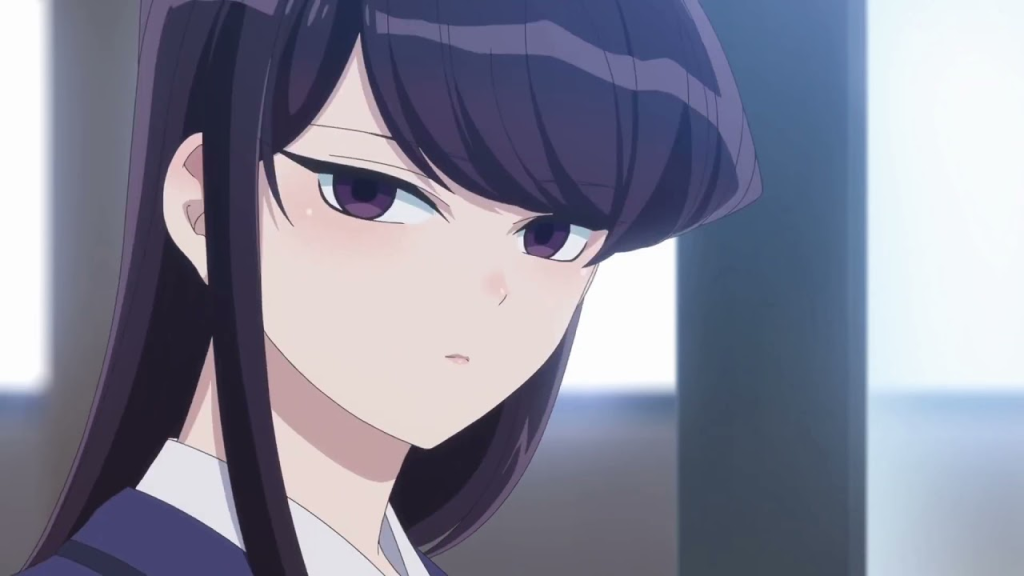
Dandere comes from danmari (silence) combined with deredere. A Dandere is quiet and withdrawn not because they’re cold but because they’re genuinely shy. They’re afraid of saying the wrong thing and retreat into themselves in social situations.
The key distinction from Kuudere is motivation — a Kuudere is distant by choice, a Dandere desperately wants to connect but doesn’t know how. Once they feel safe, the warmth is immediate. Komi Shouko from Komi Can’t Communicate is the most recognizable modern example — perceived as mysteriously cool, actually paralysed by anxiety.
Relevant keywords: dandere meaning, what is dandere, dandere characters anime
4. Deredere
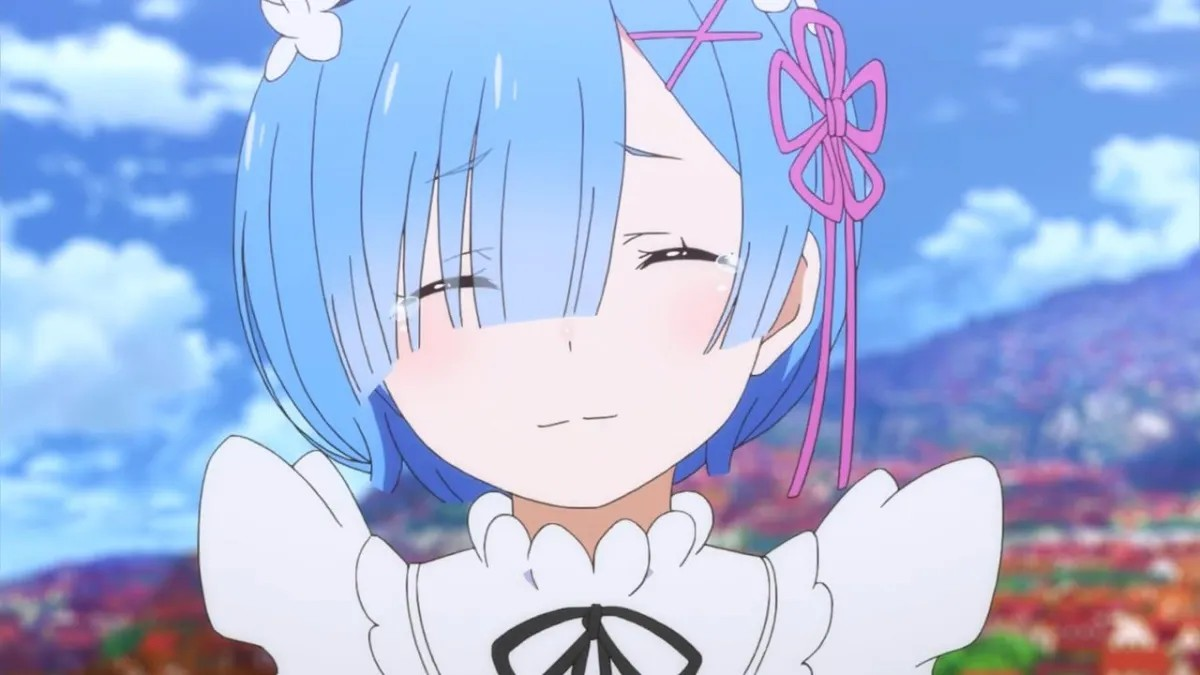
The simplest of all the dere types. A Deredere is openly and consistently affectionate with no walls, no hidden hostility and no drama. They like you and they’re going to let you know it. Worth knowing because it’s the base form — the dere in all the other terms.
When someone is purely deredere, they’re just warm and loving without complication. Characters like this tend to function as emotional anchors in their shows, the ones who bring genuine lightness without needing a slow build to get there.
My favourite Deredere girl is Rem from Re: Zero. Initial she was cold, hostile, suspecious towards Subaru however, gradually transformed into a deeply devoted, caring and an affectionate character with so much of warmth when she fell in love with Subaru.
5. Kamidere
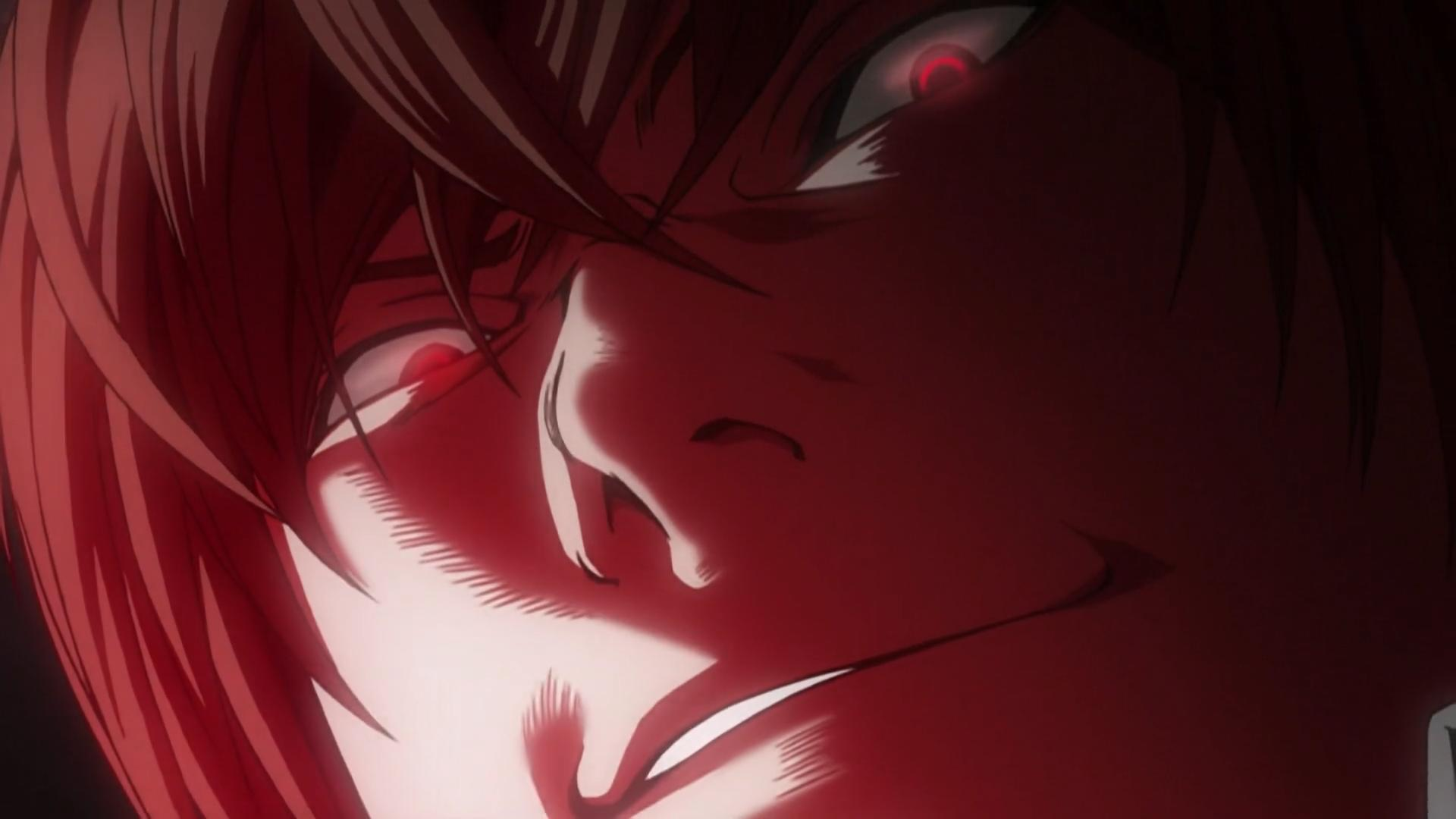
Kamidere combines kami (god) with deredere. A Kamidere has a god complex — genuinely believes they are superior to everyone and have a kind of divine authority over the people around them. The love element comes in when that superiority softens, just slightly, for one person.
Light Yagami from Death Note is the most famous example. The archetype produces some of anime’s most compelling morally grey protagonists because absolute certainty in one’s own greatness is entertaining and exhausting in exactly the right proportions.
Relevant keywords: kamidere meaning, god complex anime character, dere types explained
Character Tropes and Cultural Terms
These are not personality types but they’re patterns, aesthetics and cultural concepts that come up constantly in how anime looks, what fans respond to, and how characters are designed.
1. Moe
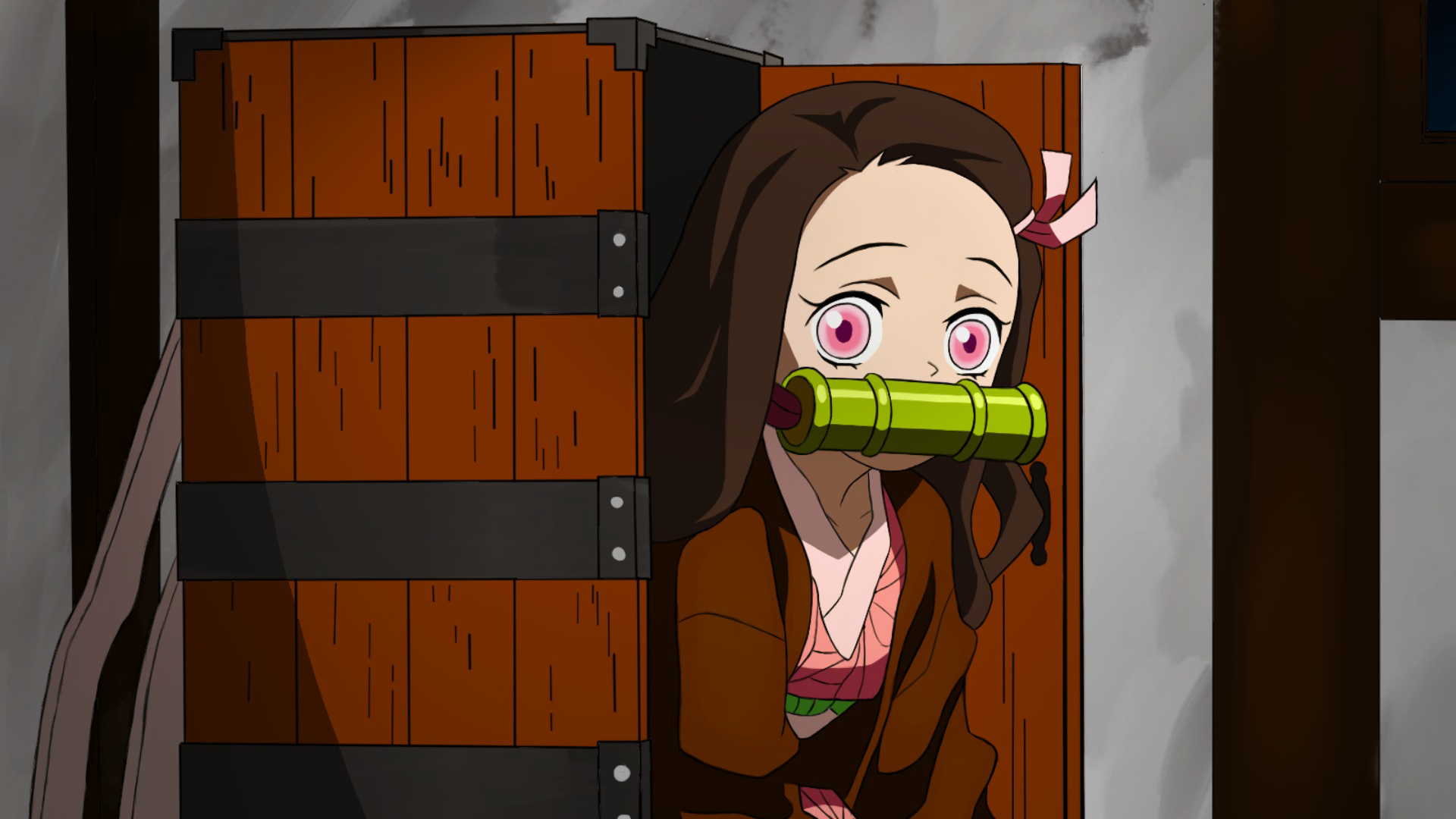
Moe is genuinely difficult to pin down and fans argue about it constantly. The word comes from a Japanese verb meaning to bud or bloom, but in anime culture it describes a particular warmth or protectiveness toward a character that goes beyond just finding them likeable.
It’s not quite attraction, not quite admiration — something in between that makes a character’s happiness feel personally important to you. Characters designed to evoke moe tend to be vulnerable in specific ways and approachable rather than intimidating. The concept is central enough to anime culture that entire genres have grown around it.
Relevant keywords: moe meaning anime, what is moe, moe anime explained
2. Waifu and Husbando
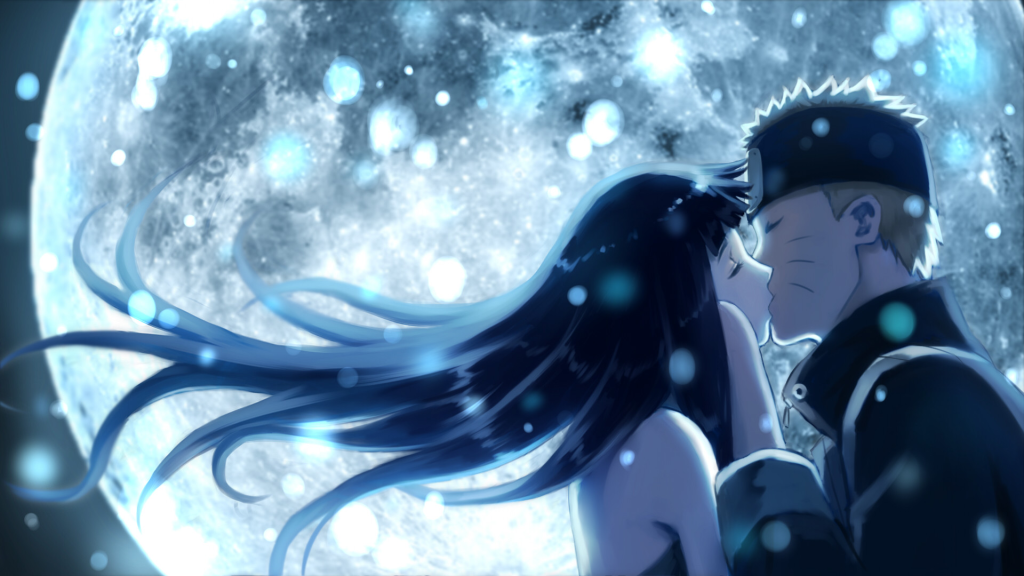
A waifu is a fictional female character a fan claims as their own in a half-joking, half-sincere declaration of affection. Husbando is the male equivalent. Both words are borrowed from the English words wife and husband through Japanese phonetics.
These terms exist on a spectrum. At one end they’re completely tongue-in-cheek — a way of saying “I love this character” without overthinking it. At the other end, some people are entirely sincere. What both capture is the particular relationship anime fans develop with well-written fictional characters — the ones that feel real enough that you find yourself genuinely invested in their wellbeing.
Some fans also view waifu/hisbando characters as an actual wife/husband figures they want in their life.
Relevant keywords: waifu meaning, what is waifu, husbando anime explained
3. Bishonen
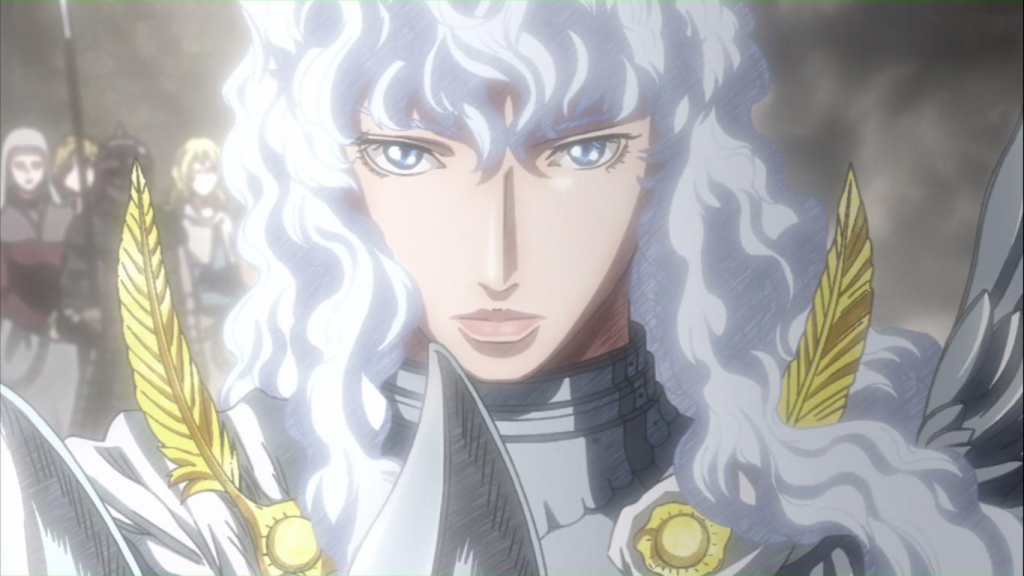
Bishonen literally means beautiful boy. It describes a male character design aesthetic emphasizing elegant, androgynous, soft-featured beauty: refined in a way that sits outside conventional Western ideas of masculine appearance.
This aesthetic has deep roots in Japanese art history and shows up across multiple demographics. Sebastian from Black Butler, Griffith from Berserk, virtually the entire cast of Yuri on Ice. It’s worth understanding because bishonen design is one of the places where anime visual language diverges most significantly from Western animation.
Relevant keywords: bishonen meaning, what is bishonen, bishonen characters anime
4. Chibi
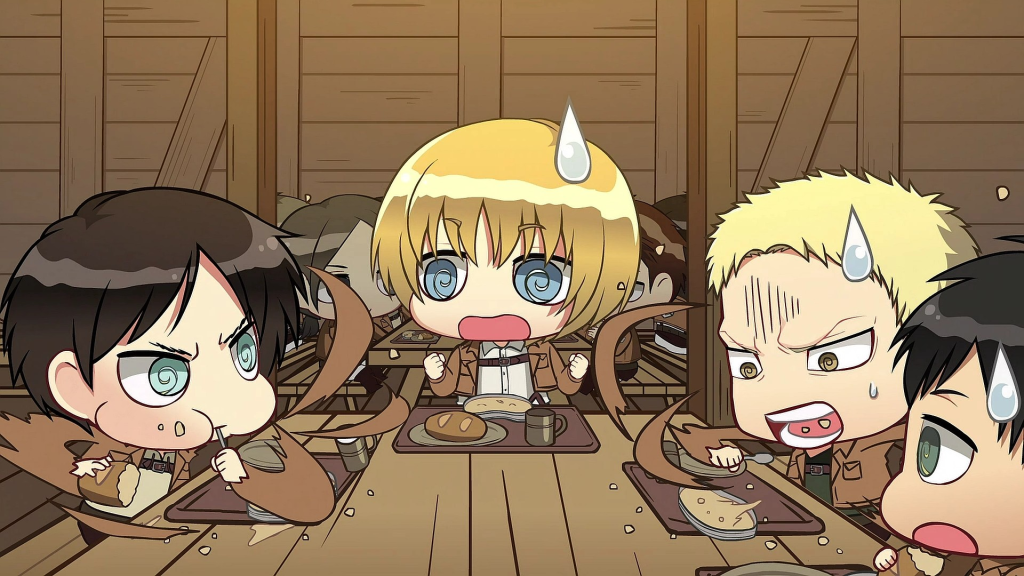
Chibi means little one or shorty. In anime it refers to a super-deformed art style where characters are drawn with oversized heads, tiny bodies and exaggerated cute features — a cartoonish, simplified version designed purely for maximum adorableness.
Chibi moments appear constantly as comedic relief. A serious character rendered in chibi form while panicking is a reliable way to break tension. Entire spin-off shows are produced in chibi format — Re:Zero and Attack on Titan both have chibi comedy shorts that function as palette cleansers from the intensity of the main series.
Relevant keywords: chibi meaning anime, what is chibi, chibi art style explained
5. Kemonomimi
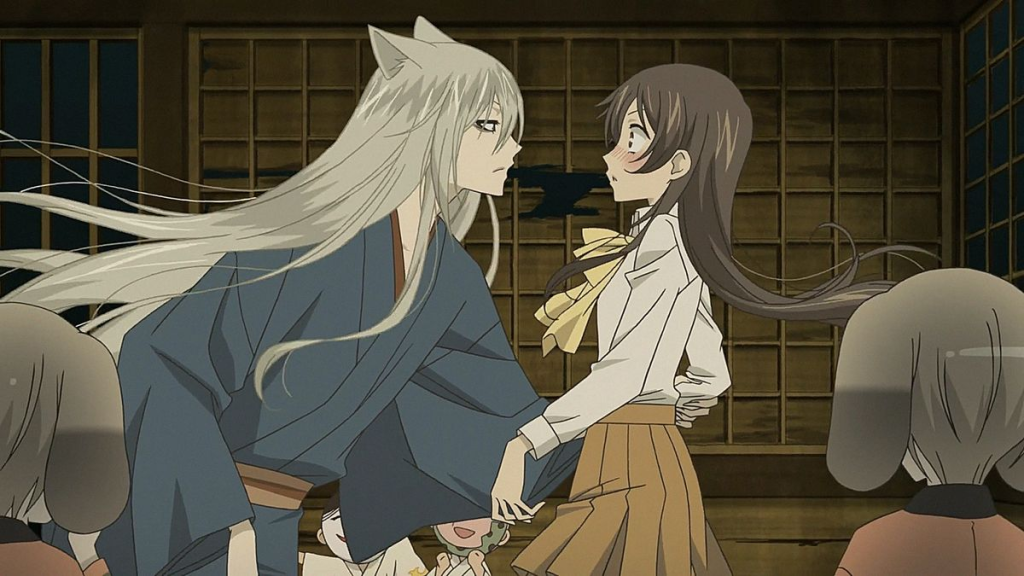
Kemonomimi literally means beast ears. It describes human characters with animal ears and tails: catgirls and foxgirls being the most common. The animal features serve as both a visual quirk and a personality shorthand. Cat ears suggest playful independence. Fox ears suggest cleverness. Wolf ears tend toward wild or protective personalities.
The visual language is consistent enough that the ears communicate character before the character even speaks. It’s been a fixture of anime since the 90s and remains extremely popular. Anime like: Kamisama Kiss & Inuyasha are prime examples.
Relevant keywords: kemonomimi meaning, what is kemonomimi, catgirl anime explained
6. Chuunibyou
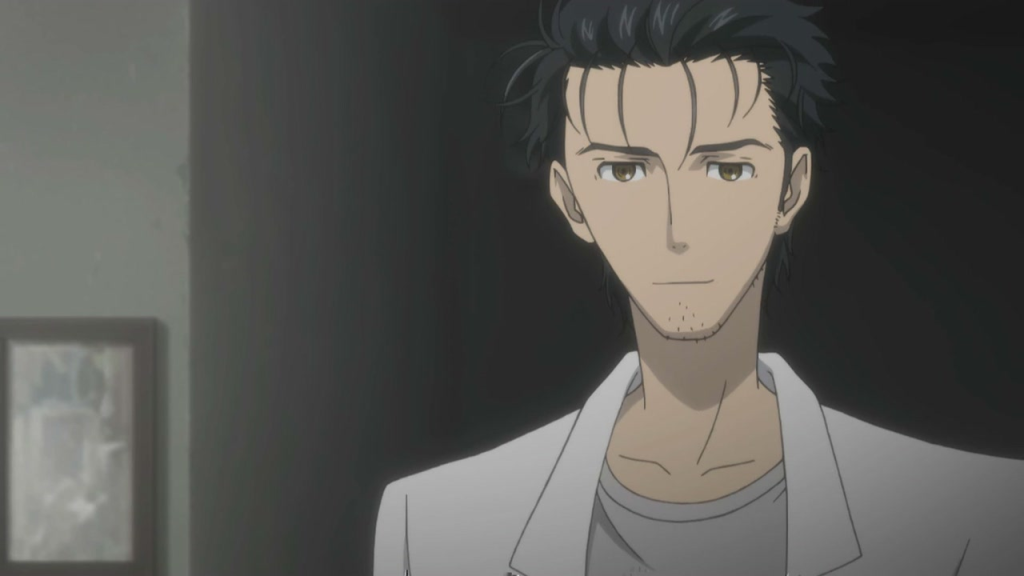
Chuunibyou translates roughly as eighth grader syndrome — the phase many teenagers go through where they become convinced they have secret powers or a hidden dark side that sets them apart from ordinary people.
The Chuunibyou character is the one wearing bandages over a perfectly healthy hand because they’re “sealing a dark power.” The one speaking in unnecessarily dramatic phrases about their cursed eye. Fundamentally, endearingly embarrassing in ways that are easy to laugh at and slightly harder to admit you understand. Rikka Takanashi from Love, Chunibyo and Other Delusions is the definitive example — and the show treats the fantasy with both comedy and unexpected tenderness.
My favourite one is: Rintarou from Steins: Gate who become the “Mad Scientist” to cheer up his childhood friend Mayuri Shiina who went into the trauma after losing her grandmother.
Relevant keywords: chuunibyou meaning, what is chuunibyou, 8th grader syndrome anime
Fandom and Production Vocabulary
These are the terms that come up when you start going deeper — following seasonal releases, engaging with the community, and caring about what’s happening behind the scenes.
1. Otaku
In Japan, otaku is not a compliment. It describes someone with an obsessive, consuming interest in a hobby — originally anime and manga fans — and carries connotations of social awkwardness and unhealthy fixation. Being called an otaku in Japan is roughly equivalent to being called a shut-in.
In the West the word has been almost completely reclaimed. English-speaking fans use it as a self-descriptor with varying degrees of irony and pride, and the negative connotations have mostly been stripped away. Worth knowing the original meaning because it reframes a lot of Japanese anime that uses the term with specific cultural awareness — like Wotakoi: Love is Hard for Otaku.
Relevant keywords: otaku meaning, what is otaku, otaku anime culture explained
2. Filler
Filler is one of the first production realities new anime fans run into and one of the most frustrating.
When an anime adaptation catches up to the source manga, studios face a problem — the manga is still being written but the anime can’t stop. So they produce filler episodes: content that isn’t in the original manga, doesn’t advance the main plot, and exists purely to buy time. Naruto has roughly 90 filler episodes out of 220. Bleach has entire filler arcs running for dozens of episodes.
Filler guides exist for most long-running anime precisely because of this. Knowing what filler is will save you significant time and frustration.
Relevant keywords: filler anime meaning, what is filler in anime, how to skip filler anime
3. Canon
Canon refers to the official, authoritative version of a story — the events that actually happened within the world of the show according to its creators. When something is canon it’s real and permanent within the story. When it’s non-canon it exists outside the official narrative, usually in fan fiction, filler or spin-offs.
In anime specifically this matters because the manga is almost always considered primary canon. When an anime changes plot points or produces an original ending, fans debate whether those changes count. Canon ships is also a common phrase — romantic pairings officially confirmed within the story rather than just hoped for by fans.
Relevant keywords: canon meaning anime, what is canon in anime, canon vs non-canon
4. OVA and ONA
OVA stands for Original Video Animation — anime content released directly to home video rather than broadcast on television. ONA stands for Original Net Animation, distributed online instead. Both are often bonus episodes, side stories or extended cuts with higher production values than the main series.
This matters because OVA and ONA content is often where some of the best moments in a franchise live. Demon Slayer, Attack on Titan and Re:Zero all have OVA content fans consider essential. Knowing to look for them means you don’t accidentally miss something that would have landed differently seen in order.
Relevant keywords: OVA anime meaning, what is OVA in anime, ONA anime explained
5. Mangaka
A Mangaka is the creator of a manga — the person who writes and usually also illustrates the source material anime is frequently adapted from. The word combines manga with ka, a suffix indicating a professional in a field.
Knowing the Mangaka matters more than it seems. Creators have styles and recurring themes that run through everything they make. Knowing Fullmetal Alchemist and Arslan share a writer tells you something about what Arslan will feel like. Famous Mangaka include Eiichiro Oda (One Piece), Hajime Isayama (Attack on Titan), and Yoshihiro Togashi (Hunter x Hunter) — whose legendary slowness in publishing new chapters is itself a long-running community joke.
Relevant keywords: mangaka meaning, what is a mangaka, famous manga creators
6. Doujinshi
Doujinshi are self-published fan-made works — usually manga or illustrated stories created by fans using existing characters from official anime and manga. They exist in a legal grey area in Japan, where copyright holders generally tolerate them as long as they’re not commercially threatening, and are sold at events like Comiket, one of the largest fan conventions in the world.
Doujinshi range enormously in content — earnest story continuations, alternate timelines, comedy, and yes, adult content, which gets the most attention outside Japan even though it represents only a portion of what doujinshi actually is. The culture represents one of the most active and creative fan communities in any medium.
Relevant keywords: doujinshi meaning, what is doujinshi, anime fan works explained
7. Sub vs Dub
The eternal debate and I’m not going to pretend there’s a clean answer.
Sub means watching anime in original Japanese audio with subtitles. Dub means a version re-recorded by voice actors in another language. Sub purists argue the original Japanese performances are almost always stronger and something is lost in translation. Dub advocates argue a good dub lets you watch without reading and that accessibility matters.
The honest answer is that it depends on the show. Cowboy Bebop’s English dub is widely considered as good as the original. But plenty of dubs genuinely weaken a show. Watch both for a few episodes — you’ll know which one feels right almost immediately.
Relevant keywords: sub vs dub anime, should I watch anime subbed or dubbed, sub dub difference explained
8. Fanservice
Fanservice refers to content that exists purely to please the audience rather than serve the story — most commonly suggestive or sexualized content, though the term extends to any crowd-pleasing moment that stops the narrative to wink at the viewer.
It shows up across genres and demographics, ranging from brief and ignorable to genuinely central to a show’s identity. When someone says a show has a lot of fanservice they’re giving you specific information about what to expect. That’s useful regardless of your personal feelings about it.
Relevant keywords: fanservice meaning anime, what is fanservice, anime fanservice explained
Putting It All Together
Three parts. Three layers of the same medium.
Demographics tell you who it’s made for. Genres tell you what kind of story it tells. Archetypes and fandom vocabulary tell you how the community thinks and talks about it.
Most anime characters are combinations of multiple archetypes — a character can be Tsundere in their romantic relationships and Kuudere in every other context. The labels are conversation starters, not boxes to lock people in. And the vocabulary evolves constantly, so staying connected to the community is how you keep up.
Everything in this guide is more interesting in practice than in theory. The best way to understand what peak Moe actually feels like is to experience it in a show that uses it well. So go watch something.
The full series:
- Part 1: Anime Demographics Explained
- Part 2: Anime Genres Explained
- Part 3: You just finished it.