
Okay, let’s be honest. The romance anime fandom has a gatekeeping problem. Not the protective kind. The forgetting kind. Every few months someone makes a “best romance anime” list and it’s the same ten shows recycled forever: Your Name, Clannad, Toradora, Violet Evergarden. All great. All exhausted.
This list is for the ones that got buried. The 2002 gem that never left Japan’s streaming rights. The 2008 masterpiece that only 40k people on MAL have touched. The movie that made you sob at 2am and you couldn’t even explain why. These 15 anime, split between TV series and films, deserve a spot in your watchlist right now.
TV Series
1. Cheeky Angel
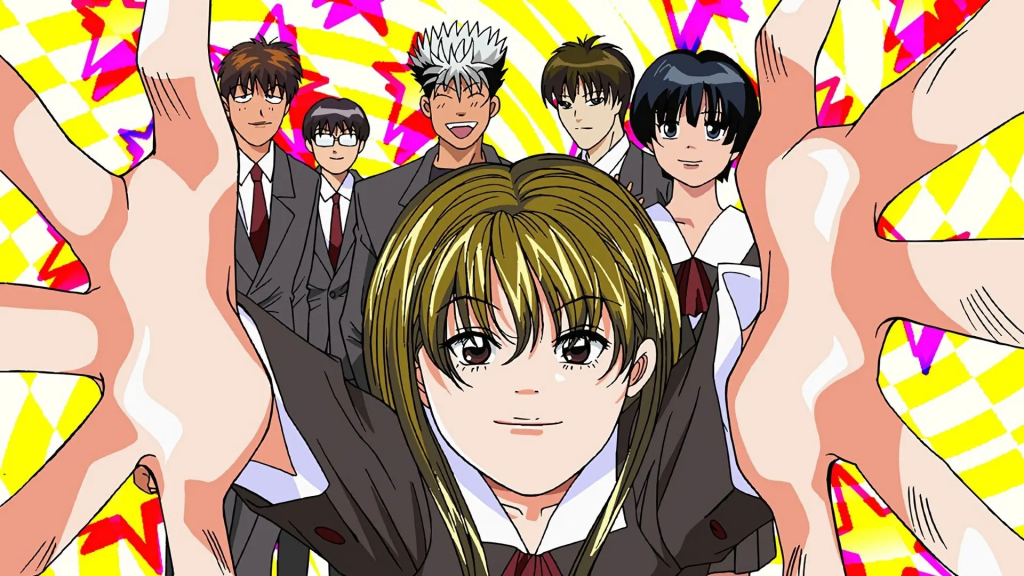
This one starts with a warning: Cheeky Angel is messy, rowdy, and animated on a budget that clearly ran out around episode 20. And yet. A genie grants a wish wrong and turns a young boy into the world’s most strikingly beautiful girl, who still acts entirely like a guy. What follows is 50 episodes of gender identity chaos, surrounding boys all falling helplessly in love with Megumi, and a central romance that sneaks up on you.
The comedy is genuinely loud and physical in the best 2002 way. But underneath the slapstick is a surprisingly tender exploration of identity. Megumi refuses to become what everyone expects of her beautiful female body. And then there’s Genzō, one of anime’s most consistent “tries to protect her but keeps needing saving” love interests, which is just delightful every single time. The cel animation is ancient and charming for it. This is one of the last TV Tokyo anime to use it.
Laugh-out-loud humor with an equal blend of drama — and Megumi creates situations that are shocking and equally hilarious
— Anime On DVD Review
If you can overlook dated visuals and a runtime padded with filler, there’s something genuinely special here. Especially for anyone who grew up on Ranma ½ and wants that same energy in romance form.
2. Emma: A Victorian Romance
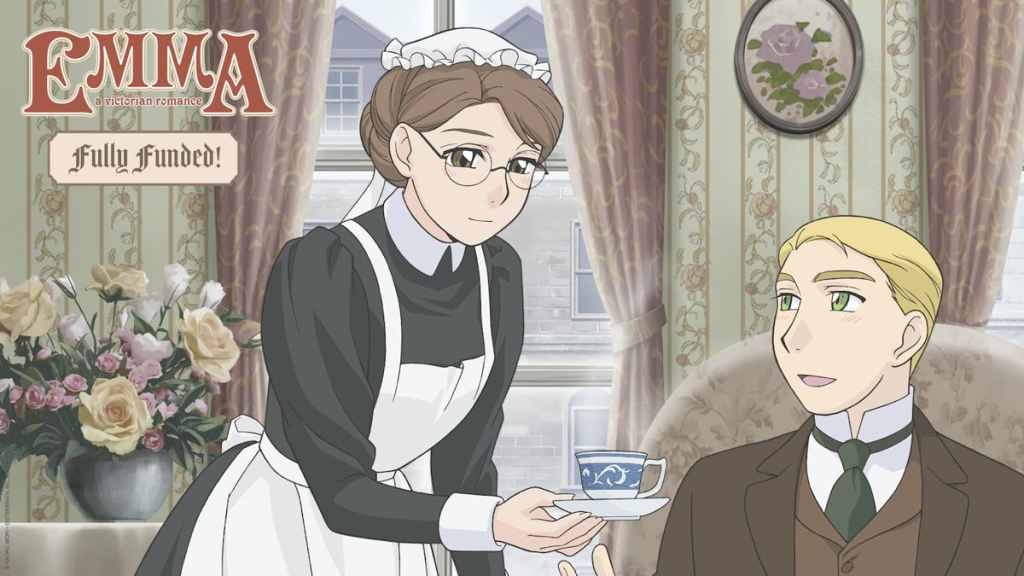
This is the one for anyone who’s ever wished Jane Austen had written an anime. Late 19th century London. William Jones, young and kind, from new money gentry, arrives at his former governess’s home and promptly falls in love with her maid, Emma. She’s reserved, spectacled, quietly intelligent. He’s earnest in the way that makes you root so hard for someone it physically hurts.
The class barrier here isn’t just a dramatic device. The show takes it seriously. Victorian social stratification is rendered faithfully enough that the romance feels genuinely dangerous. Every near-conversation, every exchanged glance, carries weight. The OST is gorgeous instrumental strings that somehow make even mundane scenes feel like a painting.
A slow and gentle Jane Austen-styled love story without many of the typical annoyances of romance anime — it beautifully captures Victorian era England. Had me in full blown sobs by the end
— ANIDB USER REVIEW
Two seasons, both excellent. Season 2 expands the cast considerably and handles Emma’s emotional retreat from the situation with remarkable restraint. One of the most “literary” romance anime ever made, and criminally underseen outside of a niche josei fanbase.
3. Nobunaga Concerto
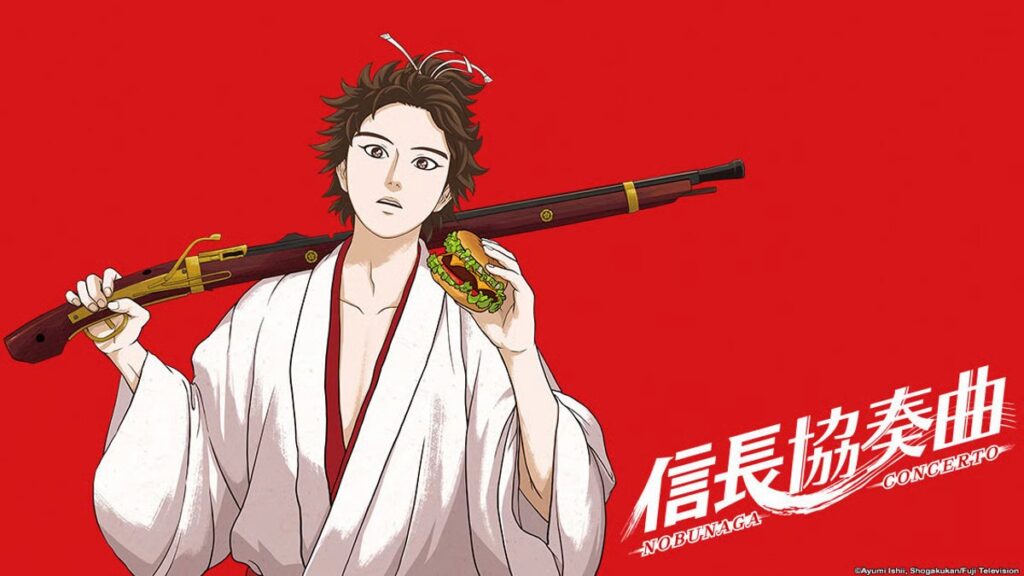
Before isekai became its own polluted genre, Nobunaga Concerto was doing something genuinely thoughtful with the premise. A modern high schooler named Saburo gets flung into the Sengoku era and swaps places with a sickly Oda Nobunaga, who happens to look exactly like him. Armed with a history textbook and his own breezy attitude, Saburo slowly becomes the warlord history demanded.
The romance here is quiet and earned. Kichō, Nobunaga’s historically documented wife, is soft-spoken but deeply perceptive, and watching Saburo fall for someone he wasn’t supposed to love is the kind of thing that makes you stare at the ceiling after an episode. The animation is unconventional CGI, divisive for sure, but it gives the show a distinctive woodblock print quality that really fits.
Probably one of the most underrated anime of Summer 2014. The plot kept me on the edge of my seat — I loved how they made it feel like this was exactly how things were meant to happen.
— Anime-Planet User Review
Tragically short at 10 episodes, and the TV special that followed filled in gaps but left the story incomplete. Still absolutely worth it, especially if you’re into history and the idea of love as something that transcends the roles we’re assigned.
4. Paradise Kiss
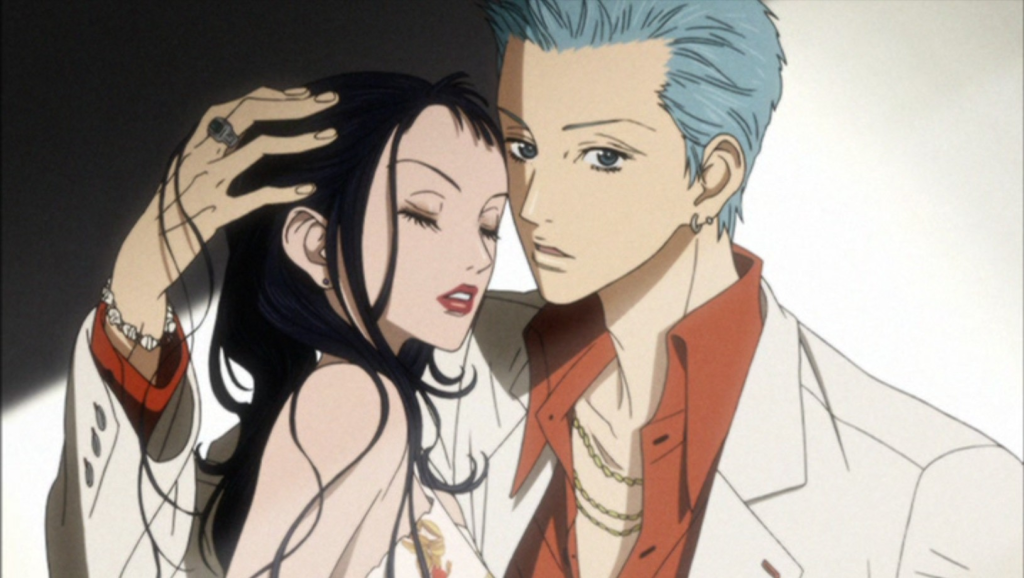
Most romance anime are about falling in love. Paradise Kiss is about what love actually costs. Yukari is a high-achieving student who gets drawn into the orbit of George, charismatic, selfish, devastatingly stylish, and almost definitely bad for her. The romance is electric and uncomfortable in ways that feel real rather than dramatic.
Ai Yazawa (Nana, NANA) wrote this, which should tell you everything. The fashion design is stunning, the supporting characters have their own complete arcs, and the ending, controversial and earned and honest, is the kind that doesn’t leave you. George is one of anime’s most genuinely complex love interests: not a villain, not a good person, just someone whose love is real but insufficient. Twelve episodes and zero filler. Every scene matters.
It doesn’t romanticize the romance — it just shows it, messy and true and sometimes heartbreaking.
The only downside is how short it is. You’ll want twice as many episodes and the ending will make you feel something complicated. That’s the point.
5. Nodame Cantabile
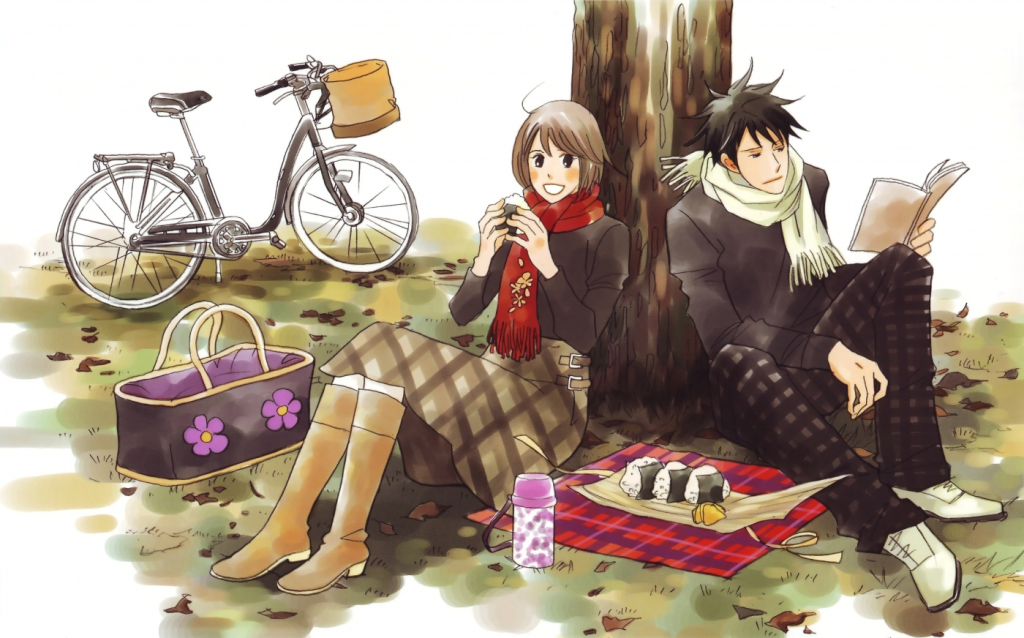
Three seasons of classical music school romance, and somehow it never overstays its welcome. Chiaki is uptight, brilliant, terrified of flying, and desperate to study abroad. Nodame is his neighbor, a piano prodigy who practices by feel, lives in filth, and is almost cosmically unbothered by everything that stresses Chiaki out. They are exact opposites and of course they fall in love.
What makes Nodame work is how funny it is while also being genuinely moving. The music performances are staged like concert events. You feel the emotion through the animation even if you’ve never touched a piano. And the central relationship develops so organically over three seasons that when moments finally land, they land hard. Nodame herself is one of the most distinctive female leads in anime: a virtuoso who’s also a total disaster person.
Watching them grow — both as musicians and as people — is one of the most satisfying character journeys in any romance anime.
The MAL score of 8.4 is respectable but the global streaming obscurity keeps it underrated in practice. If you have Crunchyroll, put it on immediately.
6. True Tears
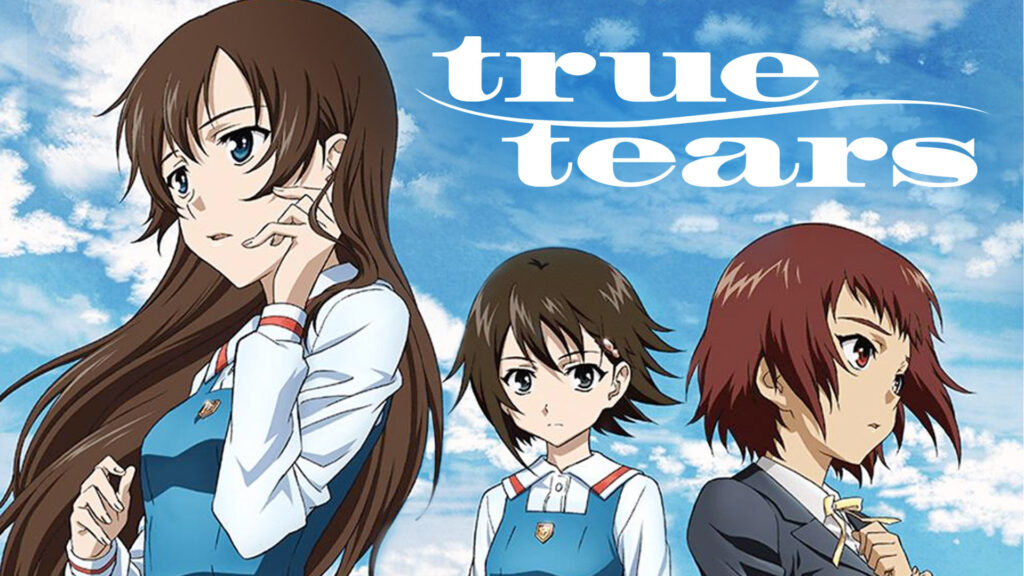
P.A. Works’ debut TV series and still arguably their most emotionally sophisticated romance. Shin’ichirō lives with a girl named Hiromi, popular at school, cold at home, hiding something painful. Enter Noe, an eccentric classmate who claims she’s given away her tears. The love triangle that develops is the kind that doesn’t have a clear wrong answer, which makes it ten times harder to watch.
What distinguishes true tears from similar-era romance anime is how grounded it is. No supernatural elements (despite Noe’s claims). No melodramatic betrayals. Just people with complicated feelings doing the best they can and sometimes choosing wrong. The Eufonius opening theme “Reflectier” is hauntingly beautiful and has lived rent-free in my brain since 2008.
Both True Tears and Clannad share that warm bittersweet feeling — but this one earns it without the supernatural scaffolding.
— AniDB community
The ending is divisive. Half of fans think the “right” girl wins; half think the opposite. This is in fact the greatest endorsement: a romance where both choices are real and painful enough that people still argue about it almost 20 years later.
7. ef: A Tale of Melodies
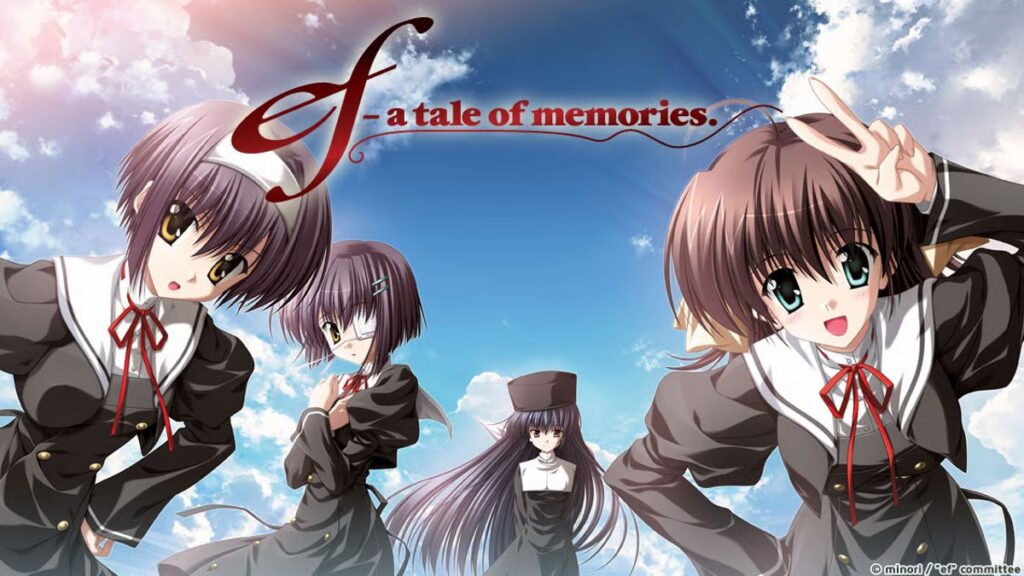
SHAFT’s ef series is two seasons of emotionally gutting romance presented through some of the most visually experimental animation of its decade. Melodies is the second season, and while Memories was already intense, this one goes further. You follow two parallel timelines: a past story of regret and loss between Yu and the mysterious Yūko, and a present-day romance between Kuze, a terminally ill violinist, and the relentless Mizuki, who refuses to let him push her away.
The visuals alone would make this notable: abstract backgrounds, color symbolism, split-screen direction that wouldn’t feel out of place in an art film. But the writing backs it up. Kuze is one of anime’s most beautifully written tragic figures. His attempts to protect Mizuki by shutting her out, and her absolute refusal to accept it, is the kind of dynamic that rewires something in your chest.
The direction is unique in its own kind. Once again, completely fascinated by the handling — both the animation style and the attention given to the story.
— Anime-Planet Reviewer
Do not start with Melodies — watch Memories first. Then let this one finish the job. Have tissues ready. I’m not kidding.
8. Just Because!
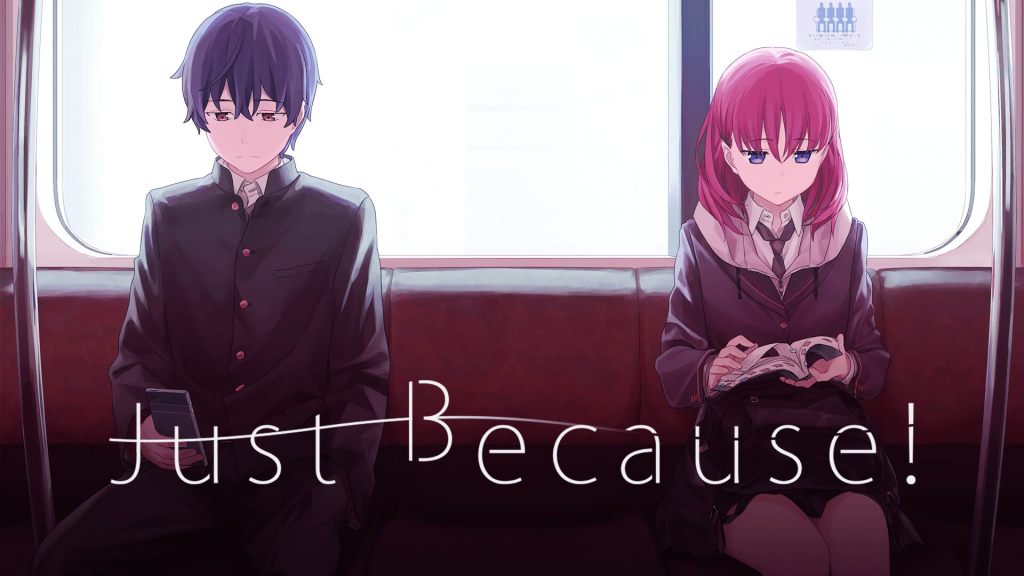
The most honest depiction of senior year romance I’ve seen in anime, full stop. Eita Izumi transfers back to his hometown school in his final semester, the worst possible time to reconnect with old friends and unexpectedly complicate everyone’s feelings. There are multiple overlapping romances here, none of which announce themselves loudly. They develop through baseball practice late-overs, LINE messages, and the quiet dread of graduation closing in.
Everything in Just Because! feels like it was observed rather than invented. The texting animation. The way characters talk around what they mean. The specific weight of “what if I say something and ruin everything and also we graduate in two months.” It’s painfully understated in the best way possible. No dramatic confessions under fireworks, just kids trying to figure out if what they feel is worth the risk.
This feels like one of the only romance anime that actually gets what the end of high school feels like — the pressure, the missed timing, the ‘just say it already.
— Reddit r/anime
The production had some well-documented issues mid-run, but the story holds. If you’ve ever felt like you ran out of time to say something important, this one will find the bruise.
9. Chihayafuru
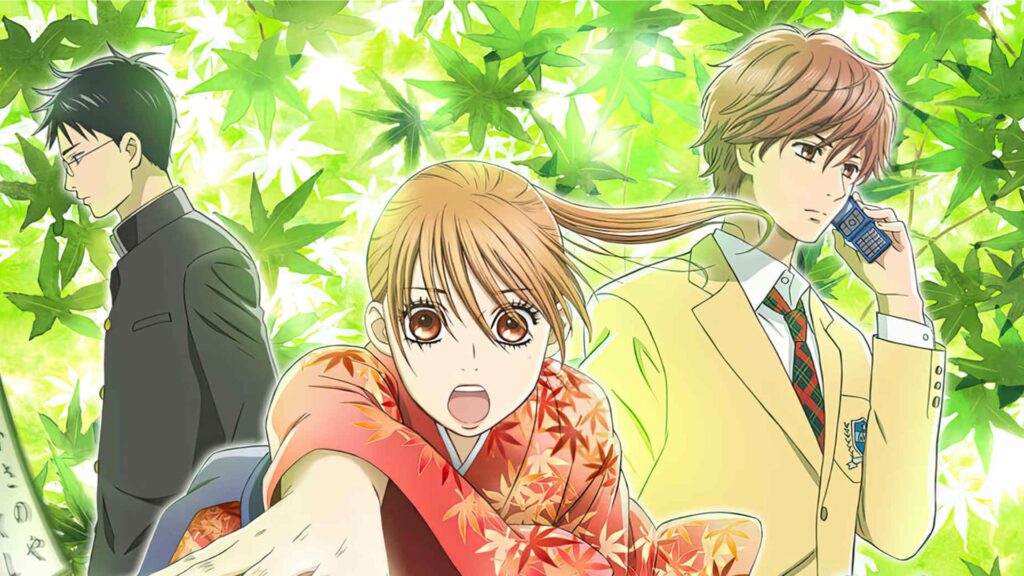
Don’t let “competitive karuta” scare you away. Chihayafuru uses the hundred poets card game as the emotional language for a love triangle that spans childhood through high school, and it uses it beautifully. Chihaya is magnetic and completely in love with karuta, possibly more than with any person. Arata is the childhood prodigy she never got over. Taichi is right there, loving her steadily for years, and it wrecks you.
Three seasons spanning almost a decade of production, and the romantic tension never deflates. It compounds. The show understands that real feelings are complicated and slow, that you can love someone and still not be ready, that competition and connection are sometimes the same thing. It’s also genuinely exciting as a sports anime when the cards start flying.
The character growth across three seasons is unlike anything else in the josei genre — Chihaya is one of the most fully realized female leads in all of anime.
— Fan Consensus
The MAL score reflects what fans who’ve seen it think. The problem is not enough people have. The premise sounds niche; the emotional payoff is universal.
10. Insomniacs After School
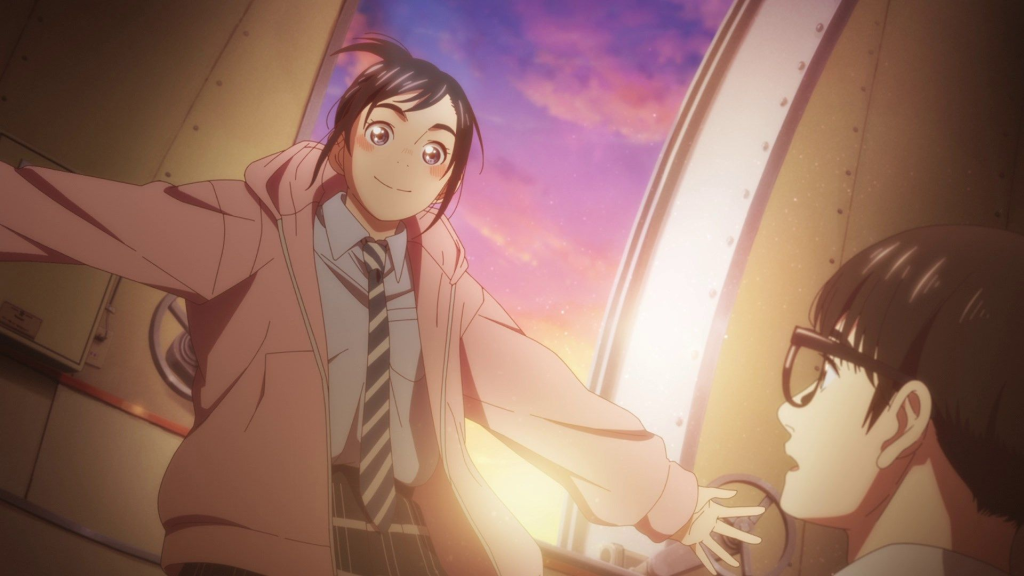
Two insomniacs find each other in an abandoned astronomy club observatory, their shared secret sleeping spot, and it becomes the foundation of one of the most genuinely tender romances recent anime has produced. Ganta is chronically sleep-deprived and prickly; Magari is sunny and warm but hiding her own health struggles. The show is about astronomy, sleep disorders, and the specific comfort of finding someone who gets it without you having to explain.
What Liden Films did with the visual language here is special. The night sky sequences are gorgeous, and the intimacy of scenes shot in low light, in a space that belongs only to them, gives the whole thing an atmosphere you don’t find often. No dramatic misunderstandings. No third-party villain. Just two real kids growing into something together.
Having watched just about every romance anime of note from the last 10 years, Insomniacs After School has become my favorite of all time. It’s wholesome, it’s endearing, and the relationships are so damn real.
— IMDB User Review
This one came and went in 2023 with less fanfare than it deserved. It’s a complete story in 13 episodes. Don’t wait for a second season that probably isn’t coming. It doesn’t need one.
Movies
1. The Place Promised in Our Early Days
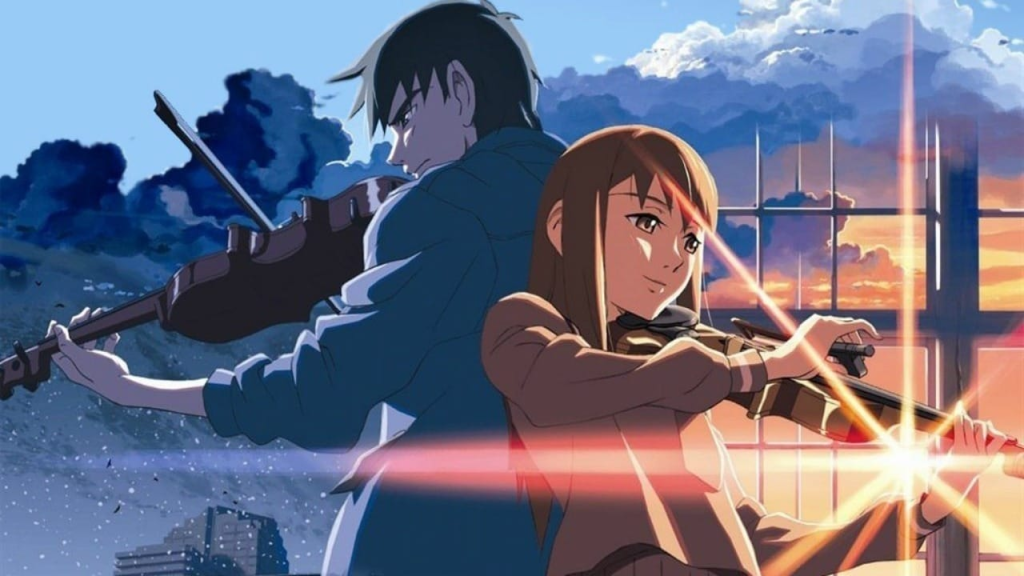
Makoto Shinkai’s feature film debut, made before Your Name made him a household name, and still the most Shinkai film he’s ever made. Alternate postwar Japan, divided between the Union (Soviet) north and American south. Three middle school friends build a small plane with a dream of reaching the mysterious tower on the horizon in Hokkaido. Then the girl, Sayuri, disappears into a coma. The boys grow apart. Years pass. The world moves toward war.
This is a film where the romance is the wound beneath everything. Not the centrepiece, but the reason everything else matters. It’s quiet and paced like memory, which won’t suit everyone. But if you can sit with it, Hiroki’s years of silent grief for a girl he never properly loved in words is one of the most affecting things Shinkai has ever put on screen, including Your Name.
In an alternate postwar timeline where Japan is divided, their childhood promise to reach the tower becomes the through-line for a heartache that spans years.
— Wikipedia
Most Shinkai fans have seen this. Most of everyone else hasn’t. It belongs in the conversation alongside his later work, arguably above some of it.
2. HAL
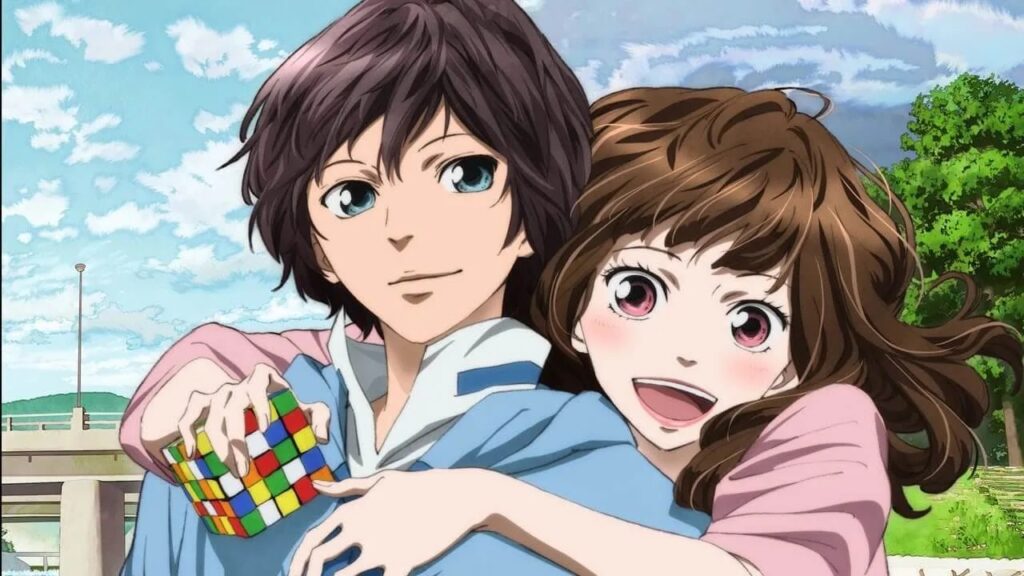
Warning: HAL will gut you and you probably won’t see it coming. The setup sounds clean. A young woman named Kurumi loses her boyfriend Hal in a plane crash and shuts herself away from the world. Her grandfather sends her a robot built to look and sound exactly like Hal, hoping it’ll help her grieve. The robot fumbles through learning to be human, solving the Rubik’s cubes they’d made for each other, unlocking wishes written on each face.
At 60 minutes, it has no room to waste, and it doesn’t waste a single scene. The twist in the final act recontextualises everything that came before, and it’s the kind of twist that makes the love story more profound rather than cheaper. Studio Wit’s animation is luminous. The score by Michiru Oshima knows when to step back and let silence do the work.
In a mere 50 minutes, HAL manages to stir up tons of different emotions. Simple, heartbreaking, and yet warm and fuzzy as well. The perfect movie to watch on a rainy day.
— Anime-Planet Reviewer
This is what gets me: HAL is a movie explicitly about love and grief that most romance anime fans have never even heard of. Fix that immediately.
3. The Girl Who Leapt Through Time
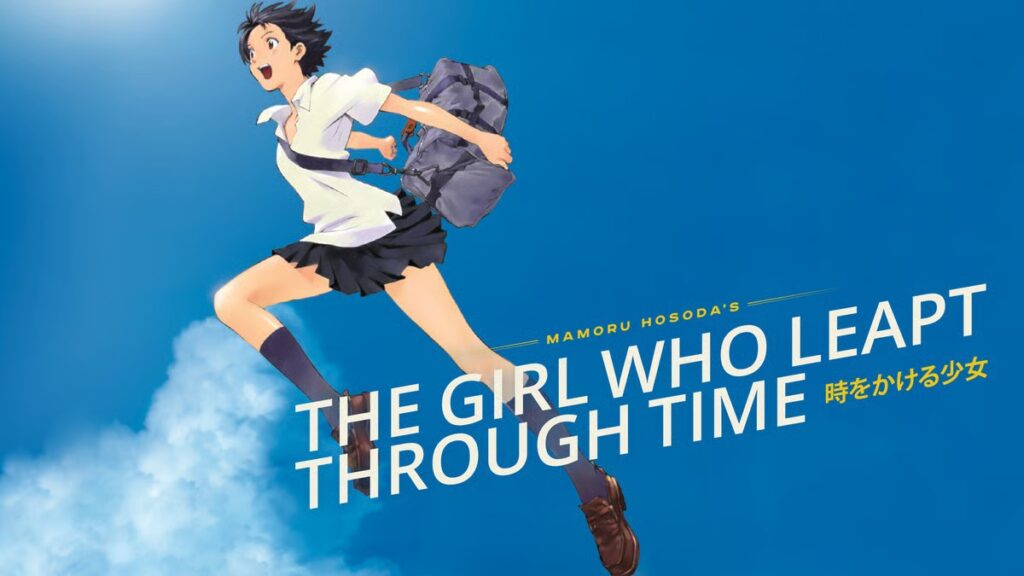
Mamoru Hosoda’s breakout film still doesn’t get treated with the same reverence as his later work (Wolf Children, Belle, The Boy and the Beast) and I will never understand this. Makoto discovers she can time-leap and proceeds to use her power entirely frivolously: acing tests she didn’t study for, avoiding awkward situations, extending a karaoke session. The comedy of watching her misuse this gift is genuinely funny before the film pivots into something much more achingly romantic.
What makes the ending land so hard is how subtly the film has been building toward it. Makoto is so busy undoing everything that she hasn’t noticed what she actually had. The final exchange between her and Chiaki, “I’ll be waiting for you,” is one of anime cinema’s most devastating last lines precisely because of what it’s promising and what it’s costing.
It’s funny, heartwarming, and emotional. If you’re in touch with your emotional side there’s a chance you’ll cry buckets. And I absolutely did.
— IMDb User Review
The MAL score is respectable but this deserves Ghibli-level recognition. Hosoda was making something genuinely great in 2006 and the broader anime film conversation still sometimes undersells it.
4. Ride Your Wave
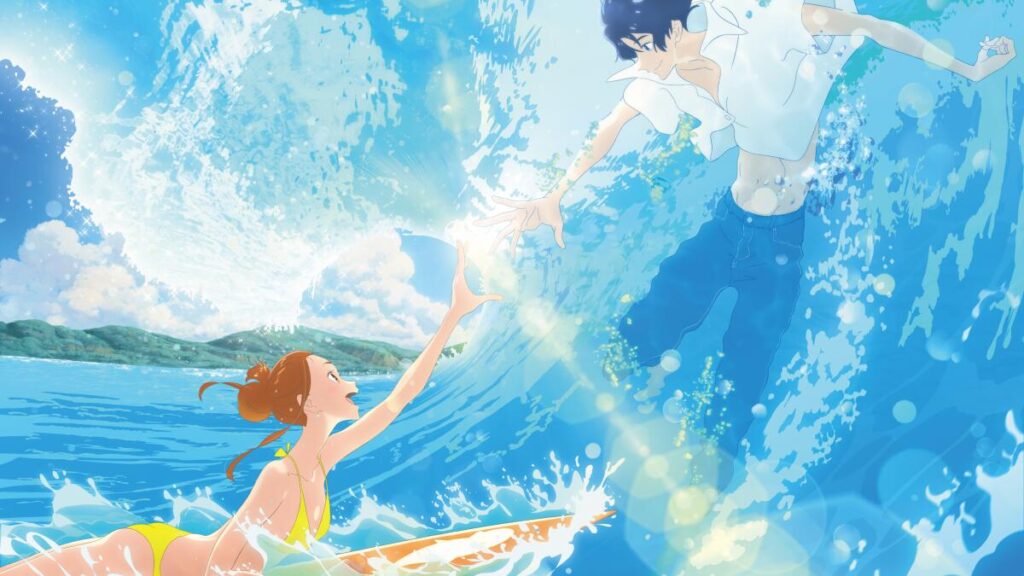
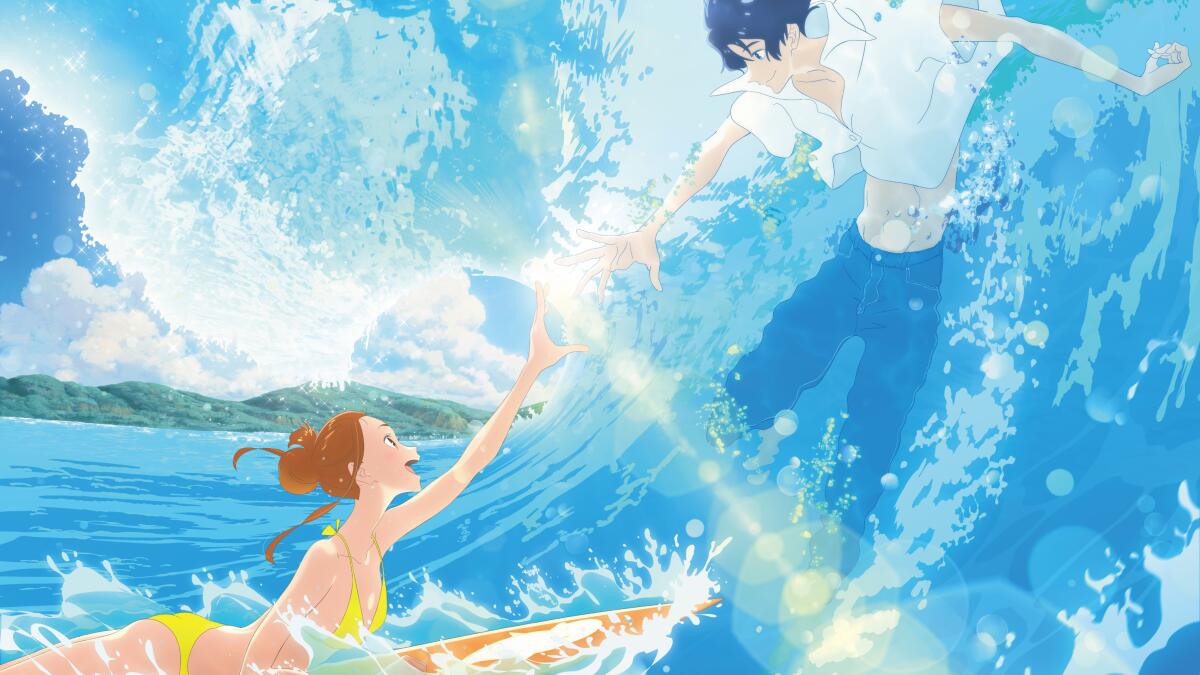
Masaaki Yuasa directing a romance film sounds like it should have won everything. And yet Ride Your Wave slipped past most people in 2019, overshadowed by higher-profile releases. Hinako is a college student who surfs and doesn’t think too hard about the future. Minato is a firefighter who learns to surf for her. They fall in love at a pace that actually feels right. Then something happens, and the film becomes about something else entirely.
The second half, which I won’t spoil, deals with grief, connection, and the question of whether love can survive its own impossibility. Yuasa’s characteristic visual looseness gives the water sequences an almost liquid quality and the ocean feels genuinely alive throughout. There’s a scene involving a song and a glass of water that’s borderline transcendent.
The animation is gorgeous and the colour just pops. The relationship sells itself completely. And then when the film pivots, it actually earns the emotion it asks for.
— IMDB User Review
Divisive among Yuasa fans who wanted something weirder, underappreciated by romance fans who haven’t found it yet. It lives in between, which is maybe why it fell through the cracks. Seek it out.
5. Josee, the Tiger and the Fish
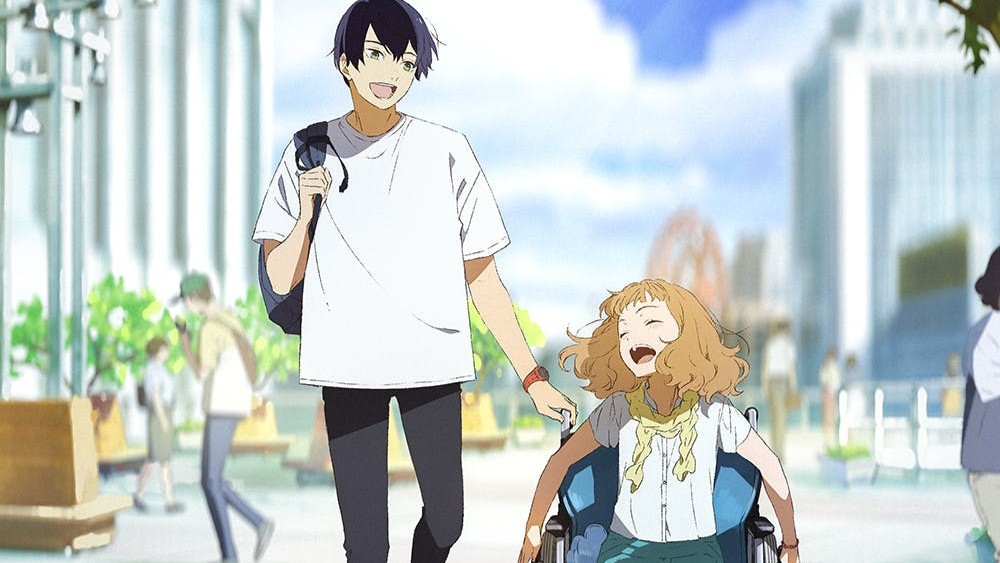
The most recent film on this list and the one that came closest to going mainstream, and it still didn’t. Tsuneo is a marine biology student trying to fund his studies in Mexico. He takes a job caring for Josee, a young woman who has used a wheelchair her whole life and has built an entire inner world through her paintings and imagination. Fierce, acerbic, and completely armored against being pitied. He doesn’t pity her. Things happen.
The relationship between Josee and Tsuneo develops with refreshing realism around her disability. This isn’t a film where love “fixes” her or where her condition is a dramatic obstacle. It’s simply part of who she is, and watching her slowly lower her guard and let herself want things is quietly devastating in the best way. The animation by Bones is stunning; the seaside sequences in particular feel like the ocean is breathing.
Best anime movie I have ever watched. It’s so cute and heartwarming and I loved every second of it. I rarely cry at anime. This one got me.
— IMDB User Review
With an 8.3 on MAL it’s probably the “most popular” film on this list — but it still flies under the radar of most anime watchers who aren’t specifically romance fans. This needs to change. Make sure you stay through the credits.
That’s 15. What did I miss?
This list could easily be 30 — romance anime has a genuinely rich underrated catalogue that the algorithm keeps burying under seasonal isekai. If you’ve watched all of these and want more, the rabbit hole goes deeper: Koi Kaze, Hourou Musuko, I Want to Eat Your Pancreas, Nana. We’ll be here.
✦ Now go watch something and feel something ✦
READ MORE...
Re:Zero Season 3: The Ultimate Trial Begins in a World of Unrelenting Despair
Re:Zero Season 3 takes Subaru, Emilia, and their allies into the deadliest battle yet. With the Witch’s Cult attacking Priestella and new sinister enemies emerging, the stakes have never been higher. Read our in-depth breakdown of what has happened so far, what’s currently unfolding, and what lies ahead.

Top 10 Anime Fights with God-Tier Animation
Experience the top 10 anime fights with god-tier animation that set new standards in storytelling and visuals.

Solo Leveling Season 2 Unleashing Shadows and Surpassing Limits: Review
Experience ‘Solo Leveling’ Season 2: an exhilarating journey of power, mystery, and breathtaking animation, as Jinwoo’s saga continues.

The Apothecary Diaries Season 2: Overview | Where to Watch
Maomao returns in “The Apothecary Diaries” Season 2, premiered Jan 10, 2025. Delve deeper palace intrigues and evolving relationships.
Toilet-bound Hanako-kun Season 2: Overview | Where to Watch
Check out Toilet-bound Hanako-kun Season 2 Spoiler-Free Review: Exploring Supernatural Secrets with Style.

Sakamoto Days: Overview | Anime Release Date | Where to Watch
Discover everything about Sakamoto Days, the highly anticipated anime adaptation! Get insights into its plot, release date, and where you can watch this thrilling mix of action and comedy this year.