
You know the feeling. You’re watching a show, invested in the protagonist, rooting for them — and then someone else walks into the frame and the whole energy of the scene shifts. The main character is still there. But suddenly they feel like the second most interesting person in the room.
This list is about those characters. The ones who weren’t supposed to steal the show but did it anyway — through sheer presence, writing, design, or some combination of all three that’s genuinely hard to explain. Ranked from 15 to 1 by popularity, going off fan polls, community reception, and how much of the fandom actually belongs to them versus the protagonist.
Let’s get into it.
#15 - Tooru Oikawa / Haikyuu!!
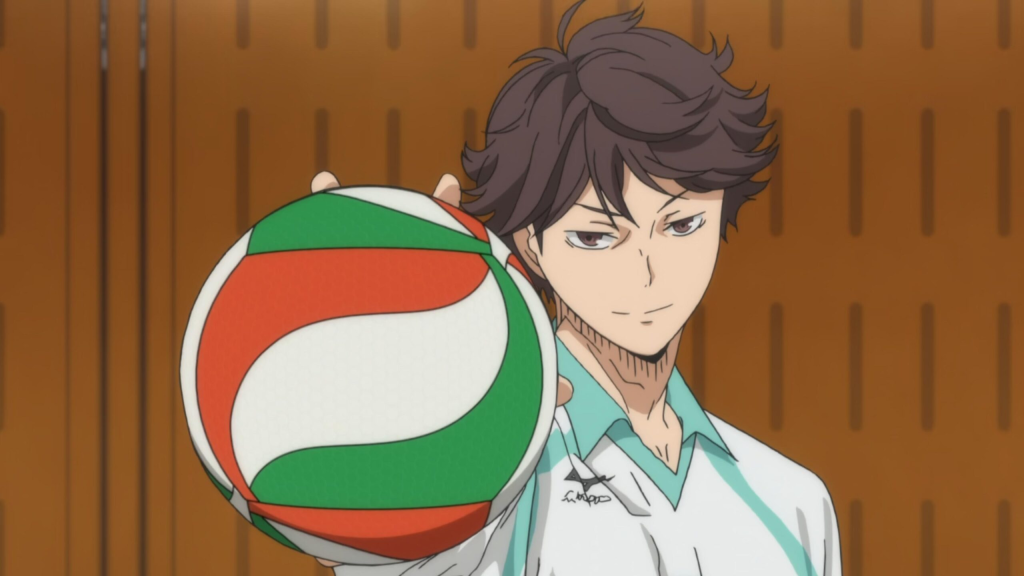
Oikawa is not the main character of Haikyuu!! He’s not even on the same team as the main characters. He’s a rival. And yet ask any Haikyuu fan who their favourite character is and a significant portion of them will say his name without hesitation.
What Oikawa does is embody something Haikyuu!! explores better than most sports anime — the weight of talent that almost isn’t enough. He’s extraordinary. He works harder than almost everyone yet be the most nonchalant one. And he exists in a world where someone like Kageyama was born with gifts that no amount of effort can fully bridge. That gap between effort and genius, and watching someone refuse to accept it, is quietly devastating.
His confidence reads as arrogance until you understand where it comes from. Then it reads as armour. That shift in perception is what makes him one of the most memorable characters in the entire genre.
If you liked the way Haikyuu!! builds its rivals, Oikawa is the best example of the show doing that at its absolute highest level.
#14 - Shougo Makishima / Psycho-Pass
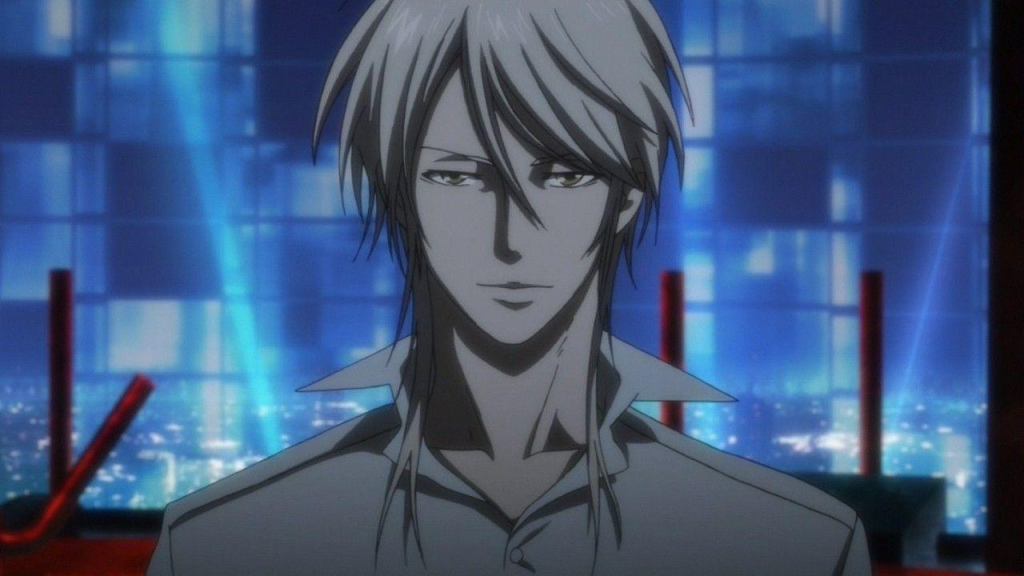
Quick note — Makishima is technically the main antagonist of Psycho-Pass rather than a traditional side character. But he belongs on this list because he does something very specific: he makes the protagonist, Inspector Akane Tsunemori, feel reactive rather than proactive for most of the series. He’s the one driving the story. She’s the one trying to keep up.
Makishima is the kind of villain who is genuinely more interesting than the people trying to catch him — philosophically, intellectually, and in terms of screen presence. He reads literature while orchestrating chaos. He asks questions the show doesn’t have clean answers to. He makes the dystopian system of Psycho-Pass feel worth examining precisely because he refuses to accept it.
Cold, elegant, and completely certain in his worldview. The best antagonist Psycho-Pass ever produced and one of the best in anime full stop.
If psychological cat and mouse thrillers with genuinely intelligent antagonists are your thing, Makishima is the reason Psycho-Pass earns that description.
#13 - Aomine Daiki / Kuroko's Basketball
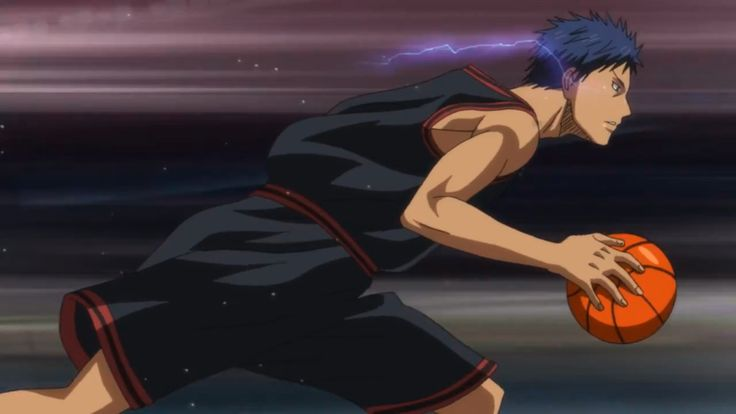
Kuroko’s Basketball is Tetsuya Kuroko’s story and Aomine Daiki is the most compelling character in it.
Aomine was the player Kuroko idolized, the one who made him fall in love with basketball in the first place. By the time the series begins, Aomine has completely abandoned any love for the game — not because he lost interest, but because he became so good that nobody could challenge him anymore. Winning stopped meaning anything. That specific kind of loneliness, the one that comes from being too far ahead of everyone, gives him a weight that most rivals in sports anime simply don’t have.
When he finally faces an opponent who makes him feel something again, the match hits completely differently because of everything the show built around his emptiness first. One of the best written rivals in sports anime.
Fans of Blue Lock’s approach to the psychology of elite athletes will find Aomine deeply familiar.
#12 - Askeladd / Vinland Saga
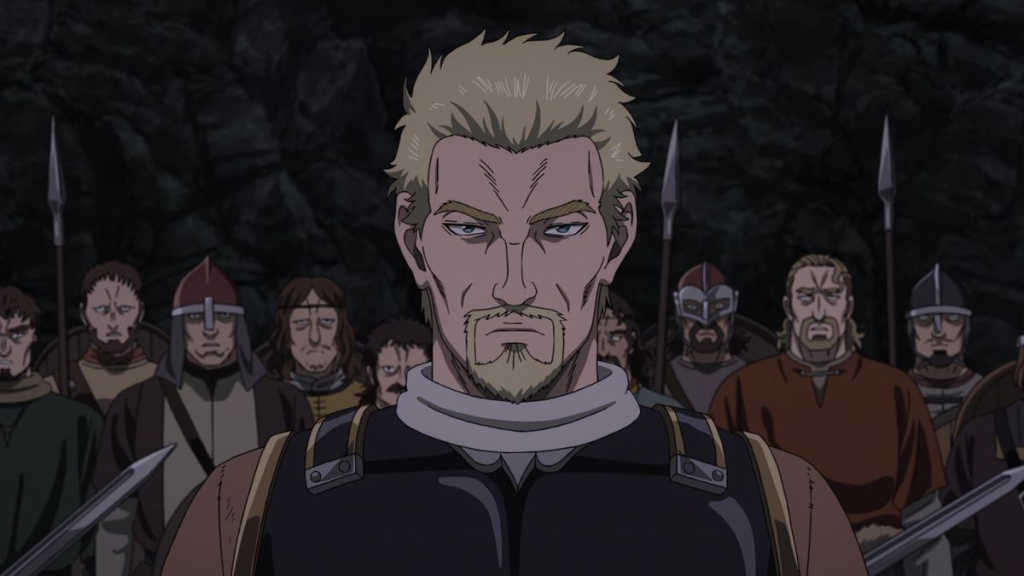
Vinland Saga is Thorfinn’s story, about a boy seeking revenge against the man who killed his father. That man is Askeladd. And Askeladd is so compelling that by the end of the first season, most viewers have completely forgotten whose story they were supposed to be following.
He is ruthless, brilliant, darkly funny, and operating on a moral framework that is entirely his own. He manipulates kings. He keeps a child he should have killed years ago because he sees something in him. He carries a secret about his heritage that reframes everything he does once you know it.
Fans found Askeladd’s character relatable because of the raw, unfiltered and a non-idealistic side it shows of a human being which lurks inside in everyone of us.
Askeladd might be the best written character in Vinland Saga. That’s not a knock on Thorfinn — it’s a testament to how extraordinary Askeladd is as a creation. The second season is good. But nothing in it hits quite like watching Askeladd work.
If morally complex, historically grounded characters are what you love about anime, Askeladd is mandatory viewing.
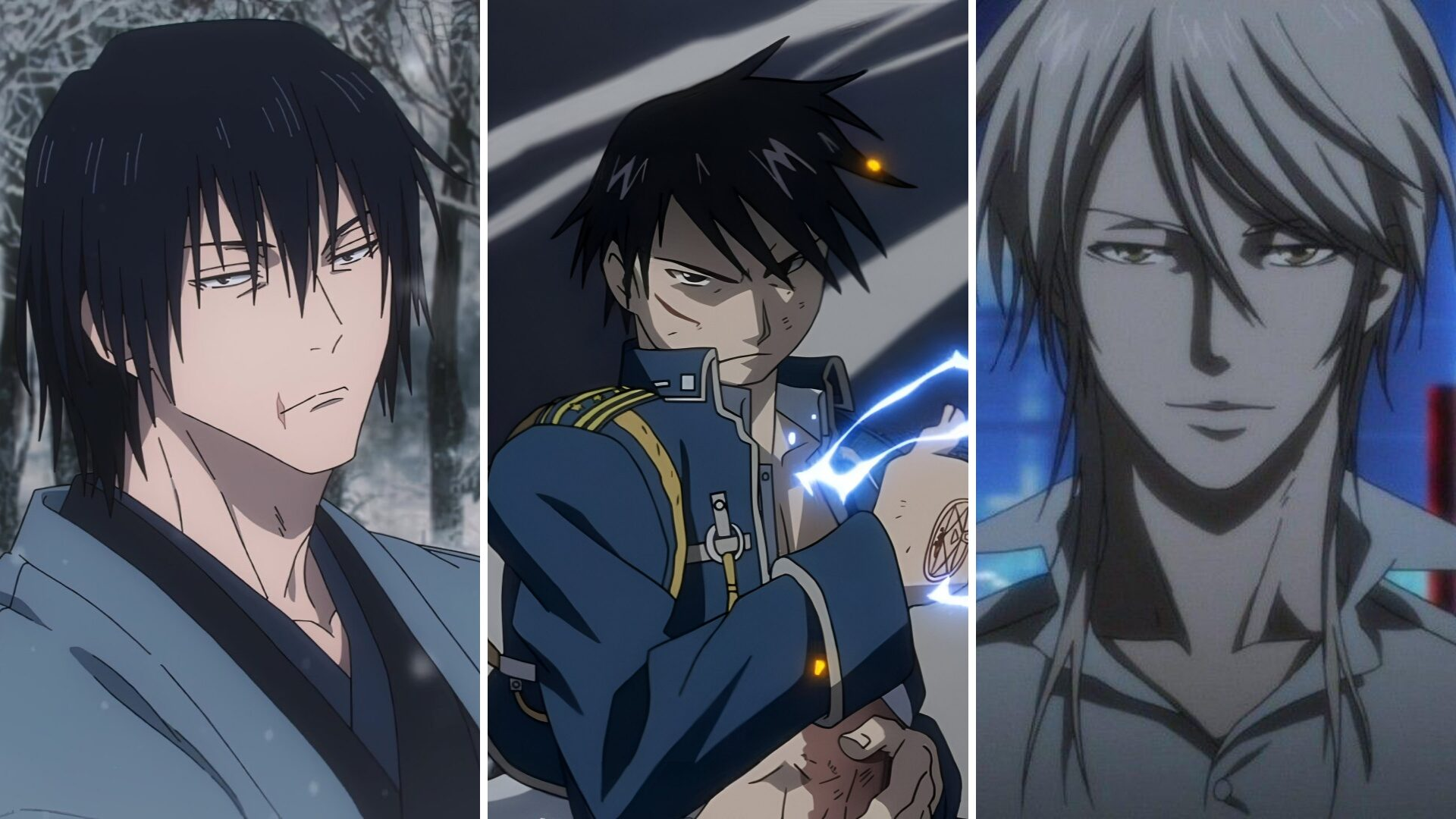
#11 - Roy Mustang / Fullmetal Alchemist: Brotherhood
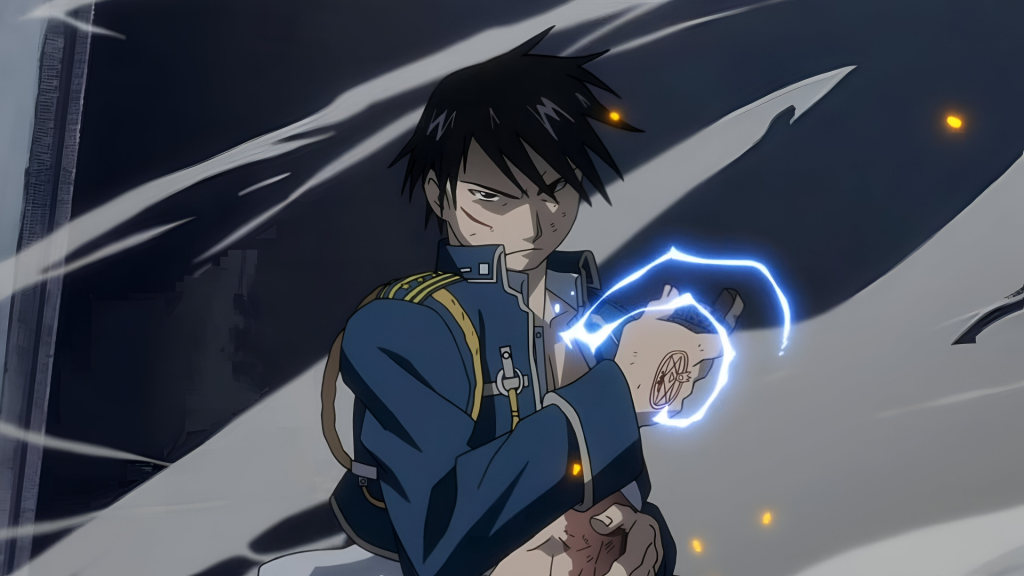
Edward Elric is the protagonist of FMAB and he’s a great one. Roy Mustang is the character a significant portion of the fandom would argue is the real soul of the series.
The Flame Alchemist operates on calculated ambition hiding genuine grief. His goal is to become Fuhrer — not out of ego but because he watched people he loved die in a war he believes could have been prevented by better leadership, and he intends to become the person who prevents the next one. That backstory, delivered gradually across the series, gives every scene he’s in additional weight.
He’s also just effortlessly cool in a way that Edward, for all his passion, simply isn’t. The fan following Roy Mustang has maintained since 2009 says everything.
FMAB fans who haven’t read the manga are in for a treat — Mustang’s manga chapters hit even harder than the anime.
#10 - Yami Sukehiro / Black Clover
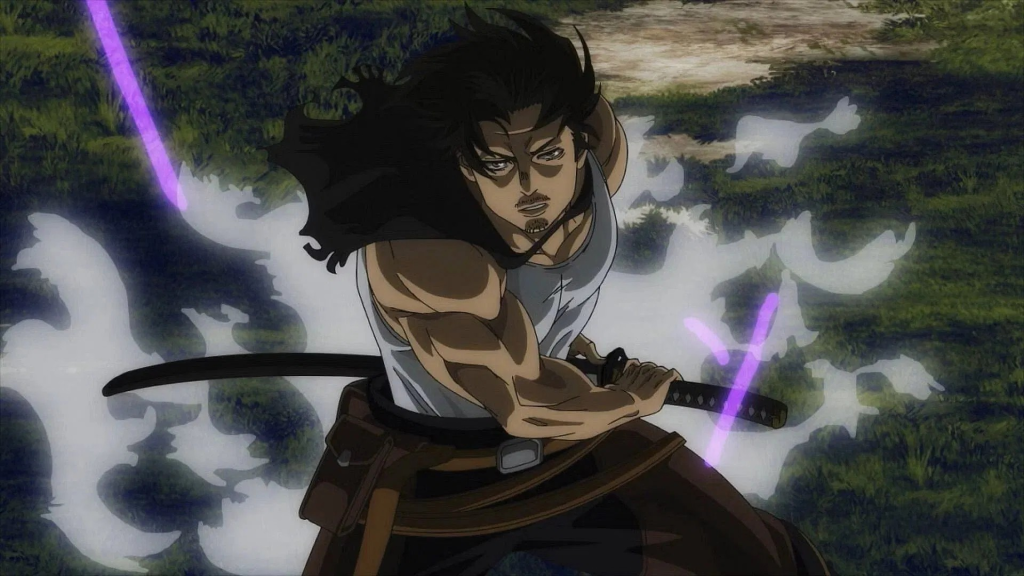
Asta is the protagonist of Black Clover. Yami Sukehiro is the reason half the fanbase kept watching during the rough early episodes.
Everything about Yami is effortlessly commanding — his size, his presence, his complete refusal to be impressed by anything, and the way he delivers death threats so casually you almost miss them. He’s the captain of the Black Bulls, a squad of misfits and outliers, and he leads them not through inspirational speeches but through the simple act of being someone worth following.
What separates Yami from other mentor figures in Shonen is that he never feels like a plot device. He has his own story, his own relationships, his own weaknesses that the series takes seriously. When the show puts him in danger, it actually feels like danger.
If you think Black Clover’s early episodes were rough, push to the arc where Yami gets serious. The show earns it.
#9 - Mikey (Manjiro Sano) / Tokyo Revengers
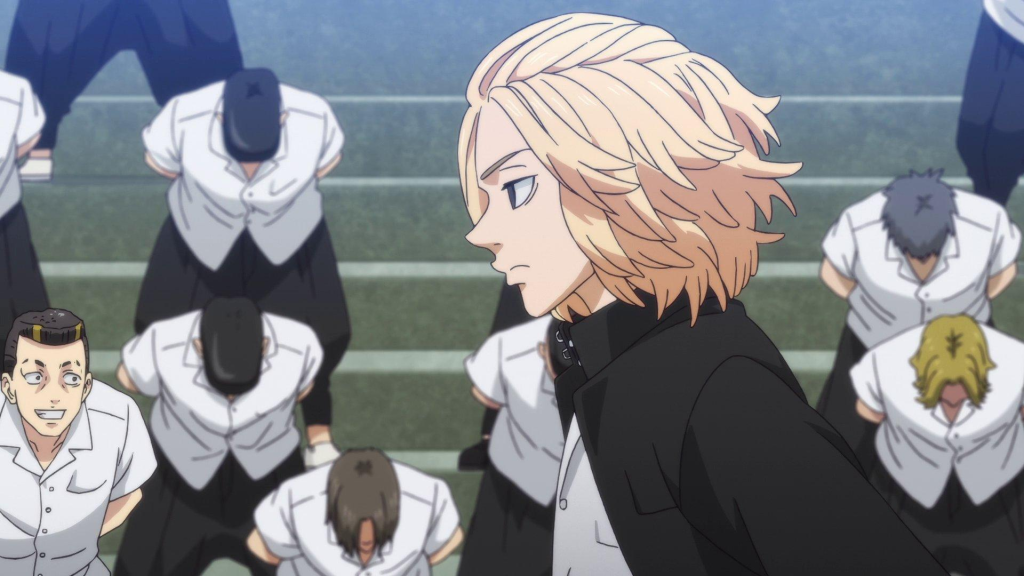
Takemichi Hanagaki is the protagonist of Tokyo Revengers and his entire journey is built around one person — Mikey. Which means the show is really about Mikey, told from someone else’s perspective.
Mikey has the specific aura of someone who was born to lead whether they wanted to or not. The strongest fighter in the story, the most charismatic presence in every room, and the one character whose emotional state the entire plot orbits around. His smile is genuinely warm. His darkness is genuinely frightening. The gap between those two versions of him is the engine of the whole series.
The fandom didn’t adopt Mikey as the face of Tokyo Revengers by accident. He simply is the face of it, protagonist or not.
For fans of delinquent action with a time travel twist — Mikey is the reason Tokyo Revengers works as a concept.
#8 - Katsuki Bakugo / My Hero Academia
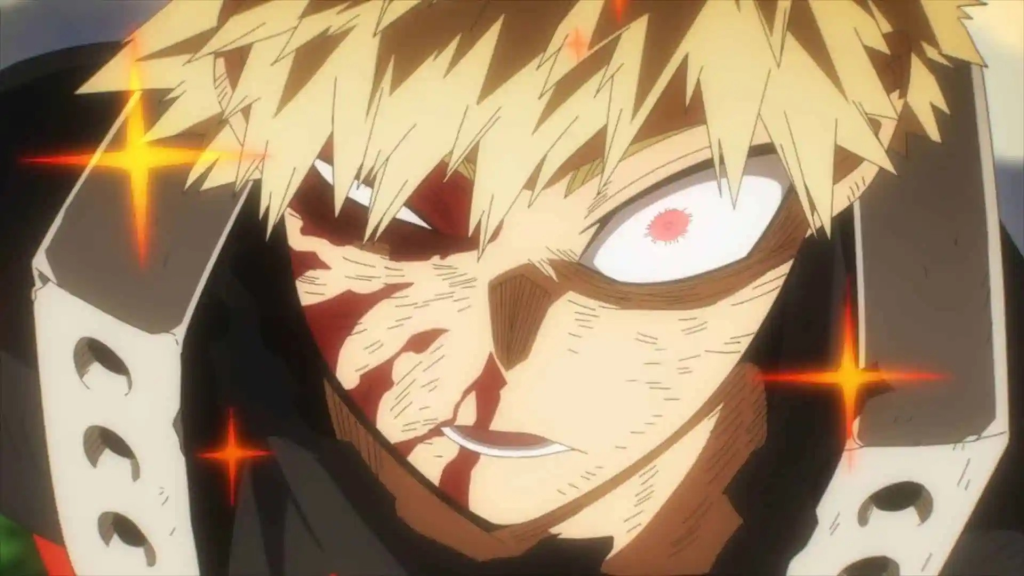
Worth being upfront — Bakugo is technically the deuteragonist of MHA, not a pure side character. But he belongs on this list because he has consistently outpolled the actual protagonist, Izuku Midoriya, in every major MHA popularity poll ever conducted. In a show literally called My Hero Academia, the character the fandom chose as their hero was Bakugo.
His appeal is straightforward on the surface — explosive personality, extreme competence, relentless drive. What takes time to appreciate is how much genuine character development sits underneath the aggression. Bakugo’s arc across the series is one of the most complete in Shonen anime — from entitled bully to someone who earns the respect the show always suggested he was capable of deserving.
In a 2024 survey by JOYSOUND, Bakugo was ranked third among the most popular anime characters in Japan, behind only Gojo and Gintoki. For a deuteragonist in a long-running series, that’s a remarkable standing.
If you dropped MHA early, Bakugo’s arc in the later seasons is genuinely worth coming back for.
#7 - L Lawliet / Death Note
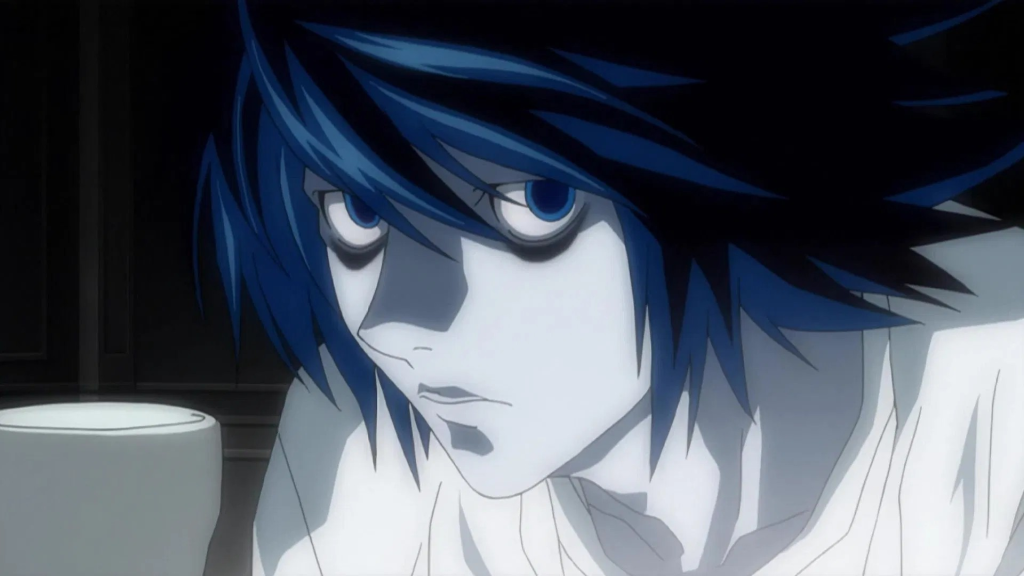
Death Note is Light Yagami’s story. L is the reason it’s compelling.
Without L, Death Note is a story about a brilliant person doing unchallenged terrible things. With L, it becomes the most tense intellectual cat and mouse dynamic in anime history. L matches Light at every turn, sees through him when nobody else can, and maintains his suspicion with the specific stubbornness of someone who trusts their instincts over everything else.
The crouching posture, the sugar obsession, the bare feet, the flat delivery — L’s design is iconic specifically because it goes against every visual convention for a detective protagonist. He looks strange. He is strange. And he is completely, utterly compelling from his first scene to his last.
The Death Note fandom never fully recovered from what happens to L. That’s the measure of how much he mattered.
If you want to understand why Death Note’s first half is considered peak anime, L is the entire reason.
#6 - Shanks / One Piece
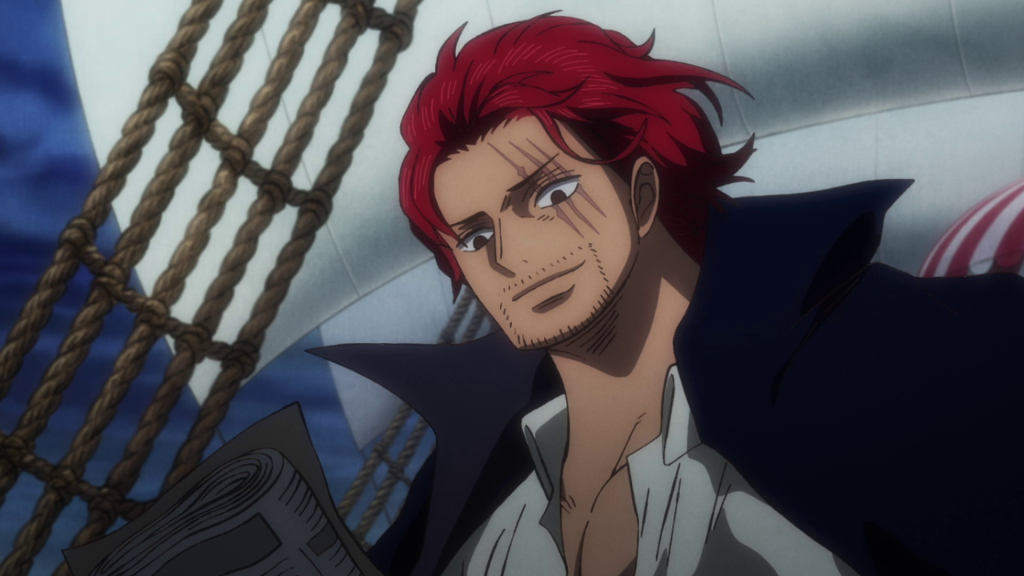
Shanks has appeared in One Piece for a combined total of maybe a few hours of screen time across decades of episodes. He is somehow one of the most talked about characters in the entire series.
That’s aura in its most literal form — a character who commands the story’s attention and the audience’s imagination while being almost entirely absent from it. Everything in One Piece is connected back to Shanks eventually. The hat. The inspiration. The standard Luffy is trying to reach. He exists at the edge of the story like a gravitational pull that everything else orbits around.
When Shanks actually appears and does something, it lands with a weight that no other character in the series quite matches — because the show has spent years building the case for why he matters before he shows up to prove it.
One Piece fans who are still in the early arcs: Shanks gets more interesting the longer you watch. Be patient.
#5 - Toji Fushiguro / Jujutsu Kaisen
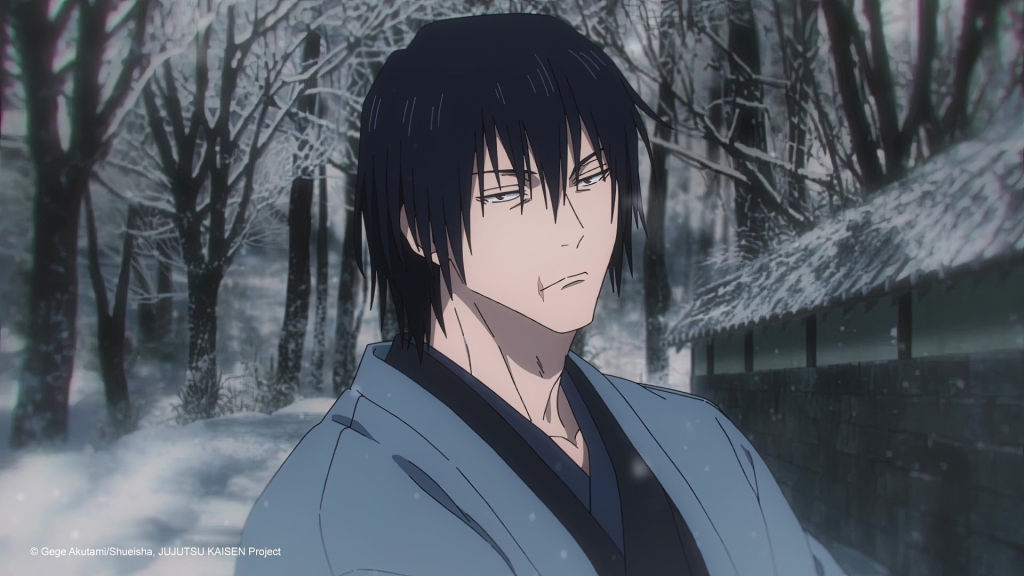
Toji appears in a flashback arc. He is not a main character. He is not even alive in the present timeline of JJK. And he produced one of the most talked about fight sequences in recent anime history.
What Toji does in his limited screen time is redefine what physical combat looks like in JJK — a series already known for its fight choreography. He has no cursed energy whatsoever. He fights in a world entirely built around cursed energy. And he dismantles the most gifted practitioners in the series through pure, refined physical ability and tactical intelligence.
The fan response to Toji was immediate and enormous — merchandise, fan art, discussion threads — all for a character who exists primarily in the past. When a character can generate that kind of response from a flashback arc, the writing did something genuinely special.
The hidden inventory arc in JJK Season 2 is worth watching for Toji alone. It recontextualizes the entire series.
#4 - Levi Ackerman / Attack on Titan
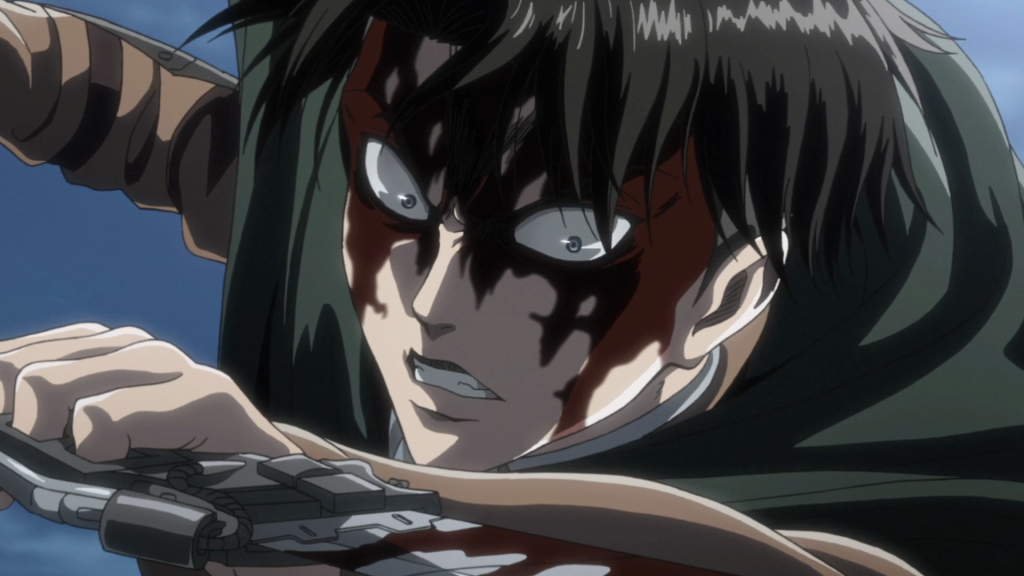
Humanity’s strongest soldier and he’s Five foot two. Completely indifferent to his own reputation. Said to be the strongest human in the series, especially among the non-shifters — and every scene he’s in makes that very easy to believe.
In a series full of characters carrying enormous emotional weight, Levi is the one who makes that weight look effortless — not because he doesn’t feel it but because he has decided, somewhere along the way, that feeling it visibly doesn’t serve anyone. The moments where that composure cracks are some of the most affecting in the entire series precisely because of how rare they are.
Eren Yeager’s story is the spine of Attack on Titan. Levi is the character the fandom built its identity around. The gap between those two things says everything about what kind of presence Levi commands.
New to AOT: don’t skip the OVA No Regrets. It covers Levi’s backstory and makes every scene he’s in hit harder.
#3 - Osamu Dazai / Bungo Stray Dogs
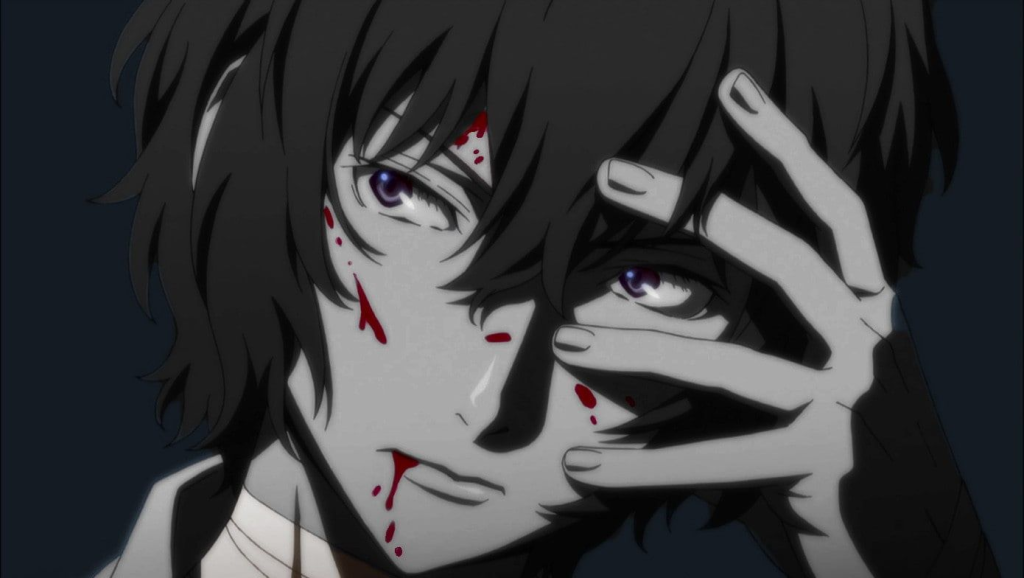
Dazai walks into Bungo Stray Dogs already carrying the weight of a past the show takes its time revealing, and the contrast between his surface behaviour and what’s underneath is the most interesting thing in the series.
On the surface he’s charming, theatrical, and apparently obsessed with finding a beautiful way to die — which he treats as comedy. Underneath is someone who was the youngest executive in the Port Mafia’s history, who knows more about every situation than he lets on, and whose real motivations take multiple seasons to properly understand.
His two-steps-ahead nature drives the plot and gives the Armed Detective Agency an advantage in most conflicts. That quality — always knowing more than he shows — gives every scene a specific tension. You’re never quite sure what he’s actually doing or why. That mystery, maintained consistently across multiple seasons, is genuinely difficult to write well.
Bungo Stray Dogs rewards patience. Dazai’s early scenes hit completely differently on a rewatch.
#2 - Itachi Uchiha / Naruto
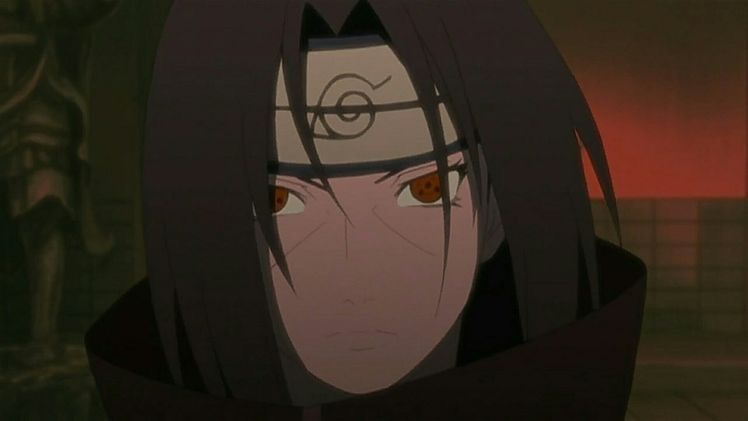
The case for Itachi is well established but worth saying properly.
Itachi appears as a villain in Naruto — the older brother who massacred his own clan and left his little brother alive to grow strong enough to kill him. That’s the version of Itachi the audience gets for a long time. And then the truth arrives, and everything the audience thought they understood gets completely dismantled.
Itachi made an impossible choice at thirteen years old and spent the rest of his life being hated by the person he made that choice to protect. He built his entire existence around a sacrifice nobody would ever understand or acknowledge. That revelation reframes every scene he was ever in and produces one of the most retroactively devastating character moments in Shonen history.
Originally misjudged by fans and characters alike, Itachi remains one of the most talked about side characters in anime history — and for good reason.
If you haven’t watched Naruto Shippuden’s Itachi truth arc yet, it remains one of the best payoff moments in Shonen anime.
#1 - Satoru Gojo / Jujutsu Kaisen
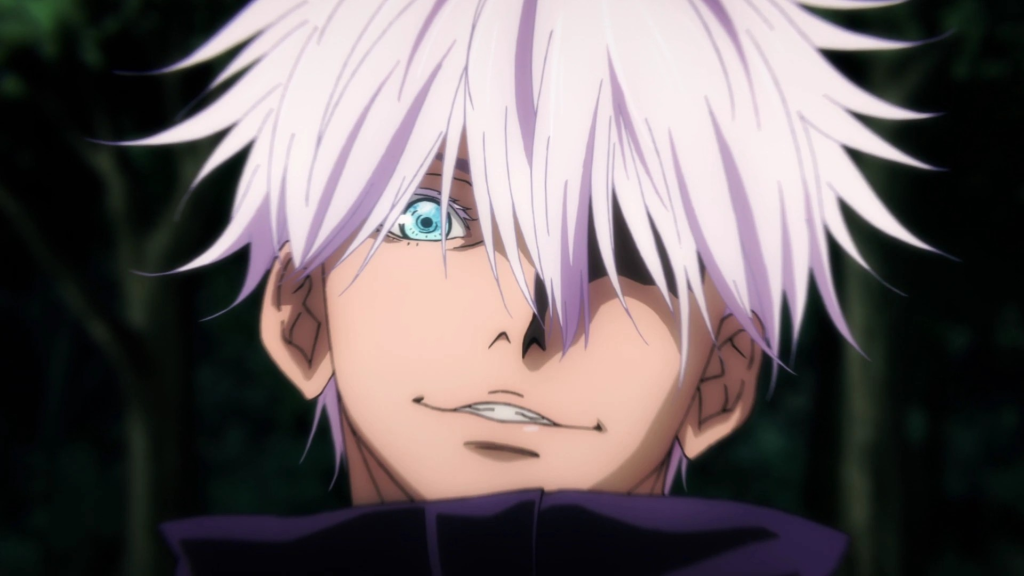
There was never really any other option for number one.
Gojo Satoru is the defining example of a side character so compelling that the fandom essentially adopted him as the face of the series — over the actual protagonist, over every other character, over everyone. In a 2024 survey by JOYSOUND, Gojo was voted the most popular anime character in Japan for the second year in a row. Not most popular in JJK. Most popular in all of anime.
What makes Gojo work is the specific combination of absolute power and absolute personality. He is the strongest sorcerer alive and he knows it, carries it effortlessly, and finds the whole thing genuinely amusing rather than burdensome. The blindfold. The sunglasses. The casual smile in situations that should be terrifying. Every visual and character choice communicates the same thing — this person operates on a level nobody else in the room can access, and he’s only mildly interested in letting them know it.
His personality, appearance, and complex abilities made him the fan favourite instantly — with his only true competition being Megumi Fushiguro. When Gojo is absent from JJK, the fandom feels it immediately. When he’s on screen, nothing else in the scene matters quite as much. That is what genuine aura looks like in anime form.
If you haven’t watched JJK yet and you’re wondering why everyone is talking about Gojo: start from episode one. His introduction is one of the best character debuts in recent anime.
Related Articles
- 20 Most Underrated Action Anime of All Time
- Anime Genres Explained: Isekai, Mecha, Slice of Life and Everything In Between
- Shonen, Seinen, Shoujo and More: Every Anime Demographic Explained
- JoJo’s Bizarre Adventure: Steel Ball Run Anime – Netflix Release Date & Part 7 Guide
- 12 Best Anime Inspired by Japanese Mythology and Folklore
- 18 Best Romance Anime Where Enemies Become Lovers
- The Most Awaited Anime of 2026 (So Far)
- Devil May Cry Season 2: Release Date, Vergil’s Debut & More
- Frieren Divine Revolte Arc Season 2 Release Date & More
- 50 Most Underrated Anime — The Best Recs You’ll Ever Get!
- Top 10 Romance Anime You Can Finish in One Night
- Fall 2025 Anime Guide: 15 Shows Every Otaku Needs on Their Watchlist