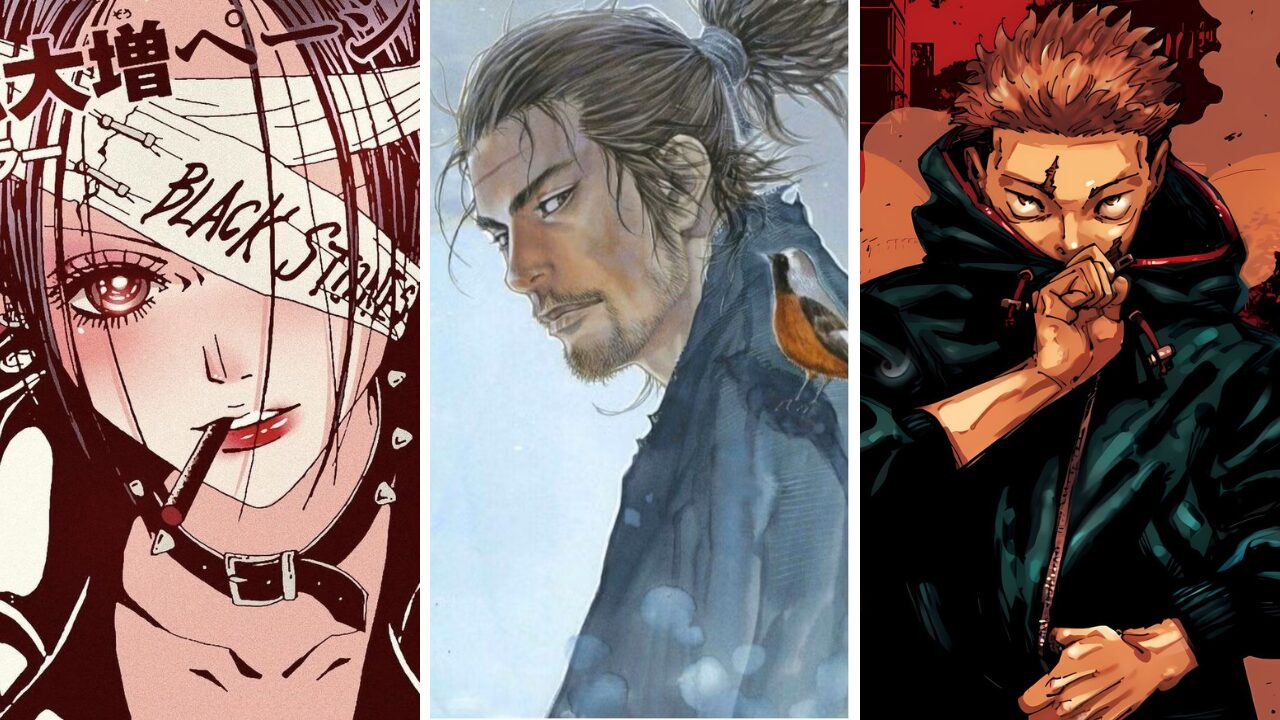

You’re watching anime and having a great time. You’ve picked up a few shows, maybe argued about which ones are worth watching, and somewhere along the way you’ve heard words like Shonen, Seinen, and Shoujo thrown around like everyone already knows what they mean.
Except — do they? Do you?
Most people use these words casually without actually knowing what they are. And the confusion is understandable, because nobody ever stops to explain the most fundamental thing about them: Shonen, Seinen, Shoujo, and Josei are NOT Genres. They have nothing to do with the plot, the setting, or the tone of a show. They are demographic classifications: kind of publishing labels that tell you which audience a manga was originally written for. That’s their entire job.
Understanding this one distinction will change how you talk about anime. It explains why Death Note and Demon Slayer sit in the same category despite feeling completely different. It explains why Attack on Titan is technically Shonen even though it’s darker than most adult anime. And it gives you a framework for finding shows that genuinely match what you’re looking for — instead of just going off vibes and hoping for the best.
Here we covered every major anime demographic — what each one means, who it’s made for, what kinds of stories tend to live inside it, and the best examples to start with. We are not touching genres or character archetypes today. Just demographics, done properly.
Here’s what we’re covering in this guide:
- Shonen — made for young boys, loved by literally everyone
- Shoujo — made for young girls, and far deeper than the stereotype suggests
- Seinen — made for adult men, where stories stop pulling their punches
- Josei — made for adult women, and the most underrated demographic in anime
- Kodomomuke — made for children, deceptively simple, surprisingly enduring
- Gekiga — the arthouse outlier that shaped everything that came after it
One Golden Rule before we start: when in doubt about any anime’s demographic, look up which magazine serialized the original manga. That’s the ground truth — not the tone, not the content, not the art style. The magazine. No confusion whatsoever.
Let’s get into it.
1. Shonen (少年) — "Young Boy"
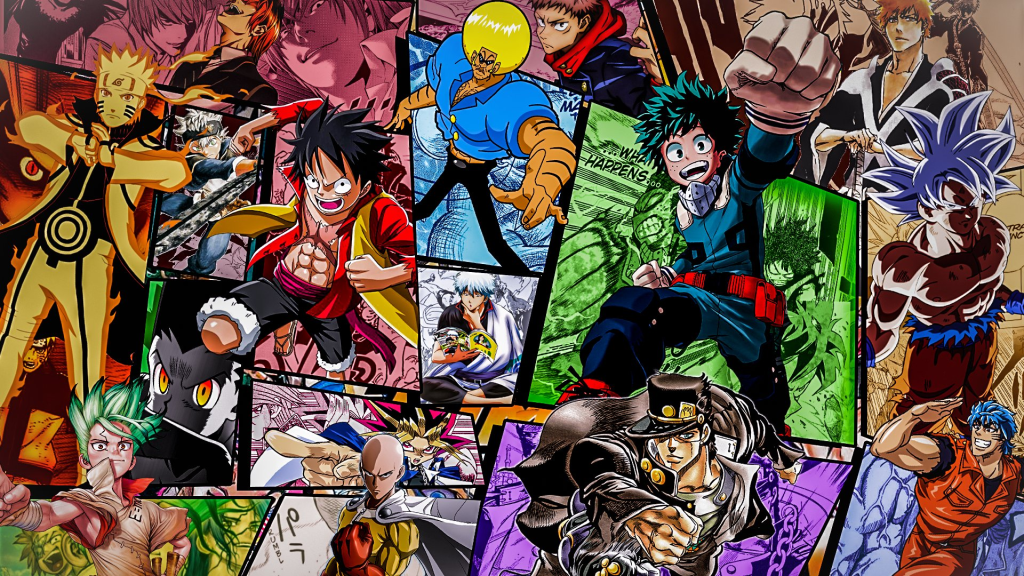
If anime had a face, it would probably be Shonen’s face. This is the biggest demographic by a wide margin — the one most people stumble into first and the one responsible for the most culturally defining shows in anime history.
Shonen manga is aimed at school-age boys, typically around ages 9–18. Stories in this space tend to center on themes of friendship, rivalry, personal growth, and pushing past your limits. The protagonist almost always starts from the bottom — overlooked, underestimated, sometimes completely powerless — and the whole story is about watching them rise.
What makes Shonen so universally beloved, though, is that these themes land regardless of your age or gender. Nobody grows out of wanting to root for an underdog.
In recent years, Shonen has evolved to include darker themes. Jujutsu Kaisen, Hell’s Paradise, and Chainsaw Man have come to be known as the Dark Trio for their use of gore, violence, and overall darker tones. The demographic has grown up with its audience without losing what makes it Shonen at its core — that burning need to keep going.
Published in: Weekly Shonen Jump, Weekly Shonen Magazine
You already know these: Naruto, One Piece, Dragon Ball, Demon Slayer, My Hero Academia, Jujutsu Kaisen, Bleach, Haikyuu, Fullmetal Alchemist, Death Note
The one-liner: The underdog story, told a thousand ways, and somehow still fresh every time.
RELATED ARTICLES:
- The Jujutsu Kaisen Inventory
- The Demon Slayer Inventory
- Hell’s Paradise Season 2 Premieres January 2026 with New Trailer
- Naruto’s New Episodes Set for a Historic 2026 | Big 3 Anime Return in the Same Year
2. Shoujo (少女) — "Young Girl"
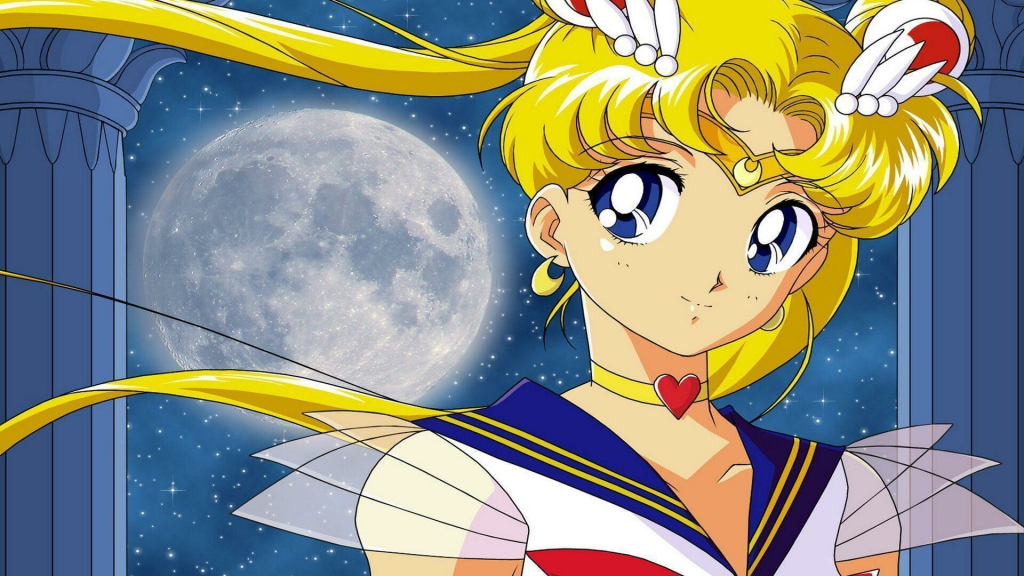
Shoujo is Shonen’s counterpart — aimed at young girls roughly 12 to 18 — and it is one of the most consistently misunderstood demographics in anime.
The misconception: Shoujo = romance. That’s it. Just romance.
The reality: Shoujo focuses more on personal relationships, romance, and slice-of-life stories — but this category tends to cater to the interests of young girls such as magic, romance, and fashion, and Shoujo is not limited to these topics, including many sub-genres that could fall under the Shoujo umbrella. You’ll find action, horror, mystery, and psychological drama all living comfortably under the Shoujo label.
What Shoujo does consistently lean into, regardless of genre, is emotional interiority. The inner life of the protagonist — how they feel, how they process relationships, how they change — is almost always front and center. The storytelling is character-first in a way that even heavy action Shoujo titles tend to maintain.
In the past two decades, there has been a marked decline in Shoujo anime. However, new female-led works such as Skip and Loafer and The Apothecary Diaries rule the anime scene despite not being marketed as Shoujo. Something worth thinking about the next time someone dismisses the demographic.
Published in: Nakayoshi, Ribon, Shojo Beat, Bessatsu Margaret
You already know these: Sailor Moon, Fruits Basket, Cardcaptor Sakura, Ouran High School Host Club, Banana Fish
The one-liner: Emotional depth as a superpower — with or without the romance.
RELATED ARTICLES:
3. Seinen (青年) — "Young Man"
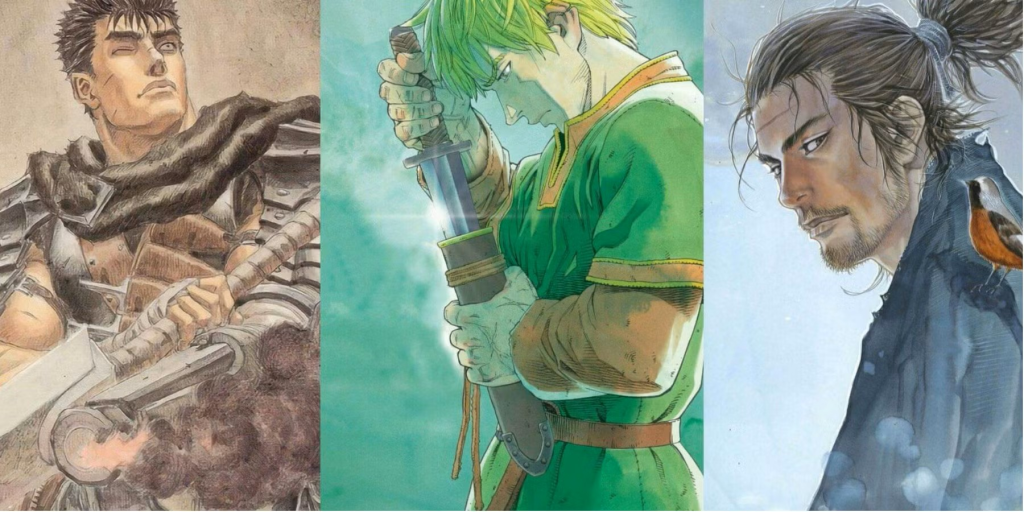
Seinen targets adult men between roughly 18 and 40, and if Shonen is about becoming something, Seinen is about reckoning with “what you already are“.
Seinen can cover many topics, such as politics, war, fantasy, sports, or even comedy. This manga demographic tends to feature more mature themes than Shonen, often displaying more graphic depictions of violence. But the defining quality of Seinen isn’t its content rating — it’s its willingness to sit with complexity. Morally grey protagonists. Endings that don’t resolve cleanly. Questions the story deliberately refuses to answer.
Think about the difference between a 12-episode arc where the hero trains hard, overcomes the villain, and earns the respect of everyone around them — and a story where a middle-aged man dismantles an authoritarian regime and still isn’t sure it was worth the cost. Both can be brilliant but the Only one is Seinen.
Note: Not all Seinen is dark. Mushishi is Seinen. So is Barakamon. So is Kaguya-sama: Love Is War — yes, the one that’s mostly a comedy about two students too proud to confess their feelings. It’s classified as Seinen because it was serialized in a Seinen magazine, as well as because of its sarcastic humor. The demographic label follows the magazine, not the mood.
Published in: Weekly Young Jump, Young Animal, Big Comic Spirits, Afternoon
You already know these: Berserk, Vinland Saga, One Punch Man, Tokyo Ghoul, Ghost in the Shell, Mushishi
The one-liner: What Shonen looks like after it’s had time to think.
RELATED ARTICLES:
4. Josei (女性) — "Woman"
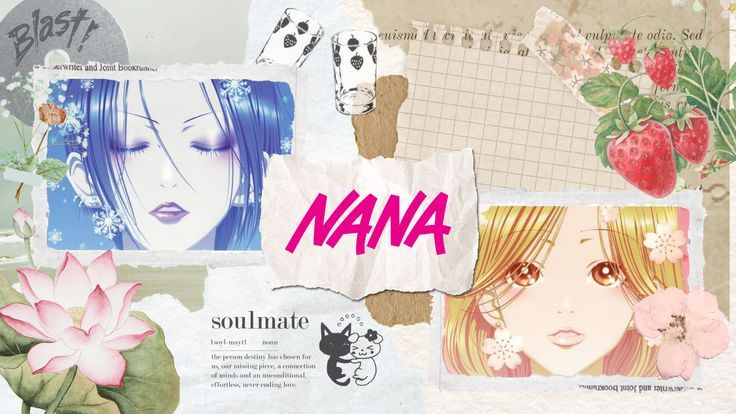
Josei is the most underrated demographic in anime, and it doesn’t get a fraction of the attention it deserves.
The counterpart of Seinen is Josei, a category targeted toward young women between the ages of 18 and 40. Josei tends to specialize in dramas, romance, and more mature concepts. Many of these stories center around young adult women and their daily lives.
Where Shoujo presents idealized, heightened versions of romance and emotion — first loves/kisses, dramatic confessions, love triangles that feel world-ending — Josei brings the whole thing back down to earth. The relationships feel like actual relationships. The complications are the ones you recognize from your own life. It’s less “will they won’t they” and more “they finally got together and now they have to figure out what that actually means.”
The tricky part is that Josei and Shoujo can look visually similar — both often feature delicate linework and emotionally expressive character designs. Sometimes Josei and Shoujo feature similar concepts which can cause confusion between the categories. Distinguishing the two can be difficult, but looking at the magazine publisher can help identify which is which.
Don’t sleep on this demographic. It contains some of the most quietly powerful storytelling in all of anime.
Published in: Be Love, You, Kiss, Cocohana, Feel Young
You already know these: Nana, Wotakoi: Love Is Hard for Otaku, Chihayafuru, Princess Jellyfish, Bunny Drop, Paradise Kiss
The one-liner: Grown-up Shoujo — where the romance gets real and life gets complicated.
RELATED ARTICLES:
Nana Manga Finally Returning After 15 Years – Ai Yazawa Confirms Ending
5. Kodomomuke (子供向け) — "For Children"
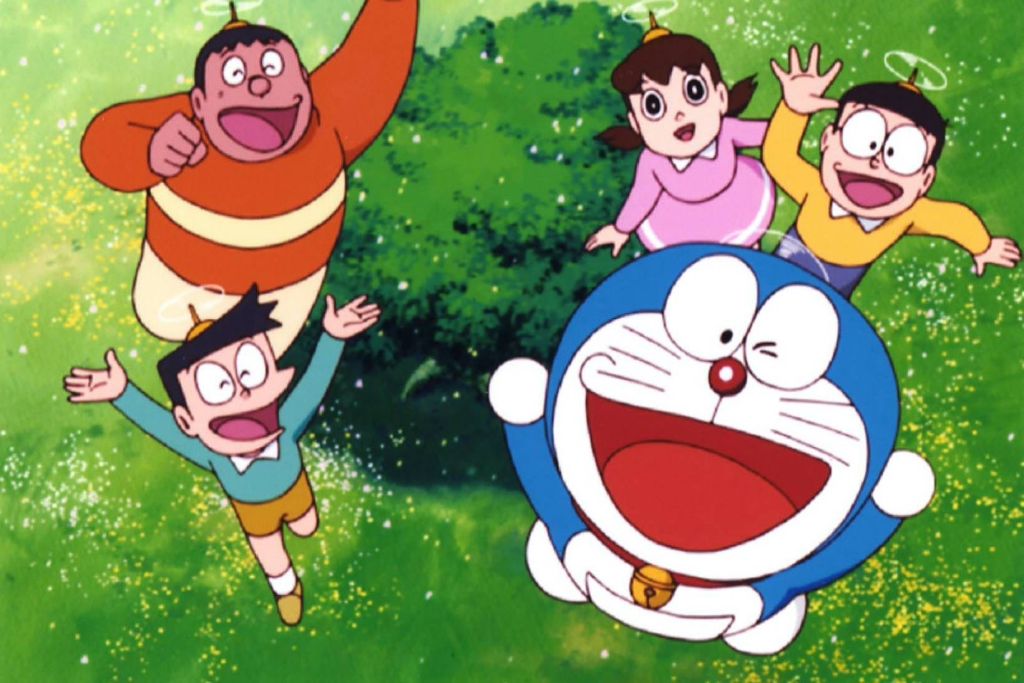
The demographic that rounds out the picture. Kodomomuke — often shortened to just Kodomo — targets children, typically under 10, and it’s exactly what you’d expect: gentle, moral, and deliberately free of anything that would make a parent nervous.
Manga and anime of this demographic are targeted specifically at children. They tend not to have any themes or content that’s unsuitable for children, and the plots teach moral values. Problems arise and get solved within an episode or two. Characters learn lessons. Everything is safe.
Don’t underestimate it though. Some of the most globally beloved franchises in all of entertainment sit in this demographic. Pokémon built an empire here. Doraemon — a robot cat from the future who helps a struggling schoolboy. It has been running since 1969 and is arguably more culturally embedded in Japan than any Shonen title. These shows last because the emotional truths they tell are simple and universal.
You already know these: Pokémon, Doraemon, Hamtaro, Astro Boy, Digimon, Shinchan
The one-liner: Deceptively simple. Surprisingly enduring.
Bonus: Gekiga (劇画) — "Dramatic Pictures"
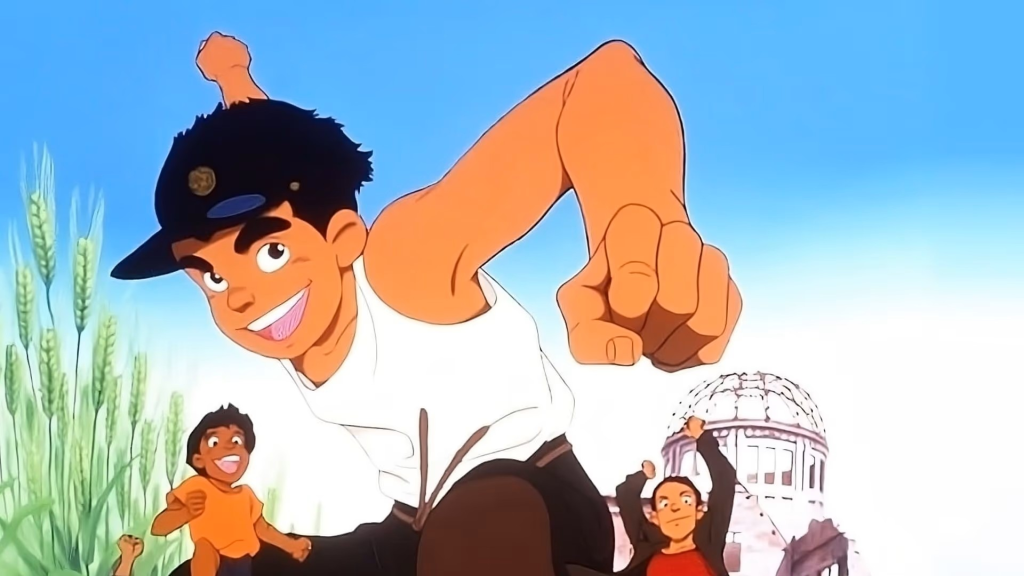
You don’t need to know this one to enjoy anime, but if you want to sound like you’ve done your homework, mention it once and everyone will look at you like you are a Sage.
Gekiga emerged in the 1960s as a deliberate rejection of mainstream manga aesthetics — darker art, mature political themes, unflinching social realism. Think of it as the arthouse film movement of the manga world. Barefoot Gen, Lone Wolf and Cub, and the work of Yoshiharu Tsuge all live here. It’s a manga-specific term more than an anime one, but it’s part of the lineage that eventually made Seinen what it is.
RELATED ARTICLES:
The One Thing to Take Away From All of This
Demographics are a starting point, not a complete description and they are definitely not a gate.
The label tells you who a series was originally published for. It says nothing about who should watch it, who will love it, or who it belongs to. Millions of women watch Shonen. Plenty of teenagers connect deeply with Seinen. Josei has fans across every age group. The demographic is a publishing classification from mid-20th century Japan — it was never meant to tell you whether something is for you.
What it does tell you is useful. It tells you the emotional register a story was designed for. The level of complexity it’s likely to carry. The kinds of themes it will probably explore. That’s valuable information when you’re deciding what to watch next.
Use it as a compass, not a rulebook.
Related Articles:
- JoJo’s Bizarre Adventure: Steel Ball Run Anime – Netflix Release Date & Part 7 Guide
- The Most Awaited Anime of 2026 (So Far)
- Devil May Cry Season 2: Release Date, Vergil’s Debut & More
- Frieren Divine Revolte Arc Season 2 Release Date & More
- 50 Most Underrated Anime — The Best Recs You’ll Ever Get!
- Top 10 Romance Anime You Can Finish in One Night
Leave a Comment