
Not every love story is meant to end with a confession, a kiss, or a future where everything works out.
If you’ve already explored romance anime with happy endings, then you know that anime doesn’t always choose comfort. Sometimes, it chooses honesty. Some romances are written to hurt quietly, to linger long after the final episode fades to black. These are the stories that don’t just celebrate love — they expose its fragility, its unfair timing, and the pain of things left unfinished.
If you’re here, you’re probably not looking to be reassured.
You’re looking for something that stays with you, even if it hurts a little.
So this time, I’ve curated a list of 15 romance anime with sad endings — stories that don’t let go easily, and remain etched in your memory long after the screen goes dark.
1. Plastic Memories
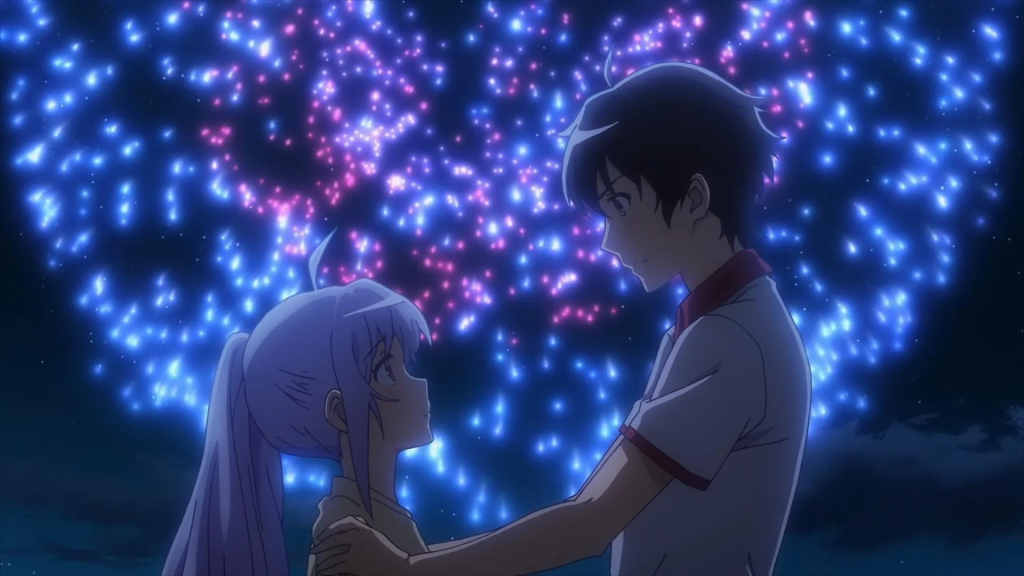
Plastic Memories is cruel in the most honest way possible.
Summary:
In a future where androids known as Giftias live alongside humans, Plastic Memories focuses on the work of retrieving them once their limited lifespan expires. Tsukasa, a new employee, is partnered with Isla — a Giftia nearing the end of her operational time. As they grow closer, the anime explores love under a fixed expiration date. The setting may be sci-fi, but the emotions are painfully human, grounded in everyday moments that gain meaning precisely because they won’t last.
Ending Analysis:
It doesn’t surprise you with its ending — it warns you from the start. Tsukasa and Isla’s relationship blooms under a time limit, and the anime forces you to sit with that reality. Every normal moment — holding hands, going on dates, laughing — feels heavier because you know it’s temporary.
What makes the ending devastating isn’t death.
It’s acceptance.
This anime understands that loving someone knowing you’ll lose them is still worth it — and that realization is what breaks most viewers.
2. Anohana: The Flower We Saw That Day
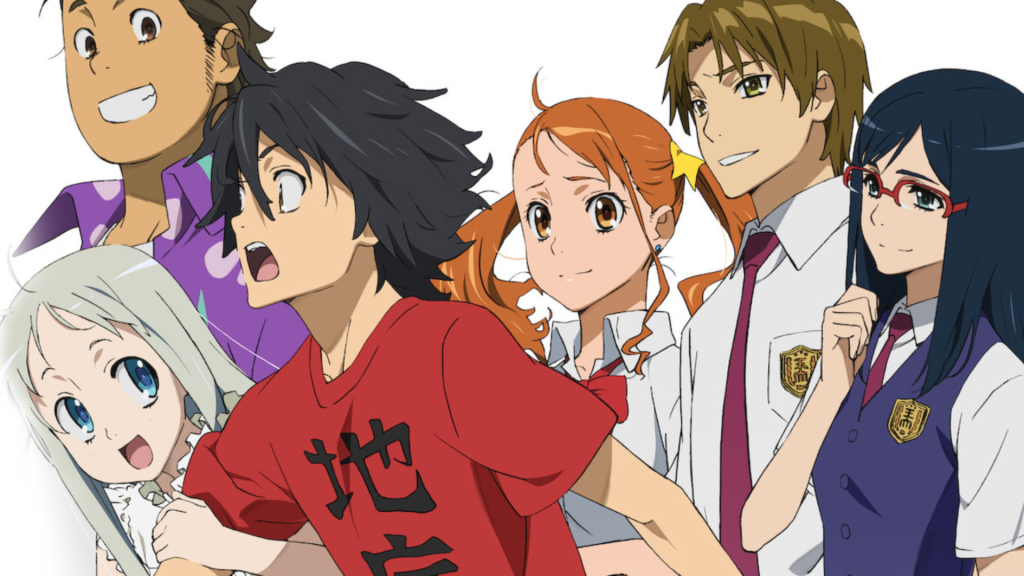
Anohana is about love that survives loss — and suffers because of it.
Summary:
Set years after a childhood tragedy, Anohana reunites a group of former friends who drifted apart after the death of one of their own. When Menma’s ghost appears before Jinta, the group is forced to confront unresolved guilt, buried feelings, and the emotional scars they never healed. While romance isn’t always front and center, it exists deeply within the story — tangled in grief, nostalgia, and the inability to move on. It’s a story about love that persists even after loss.
Ending Analysis:
The romance here is subtle, buried beneath grief and guilt. Jinta, Menma, and the group aren’t chasing happiness; they’re trying to move forward. The sadness of the ending comes from realizing that love doesn’t always need to be fulfilled to be meaningful.
Anohana hurts because it shows how unresolved feelings can shape an entire life
3. Your Lie in April
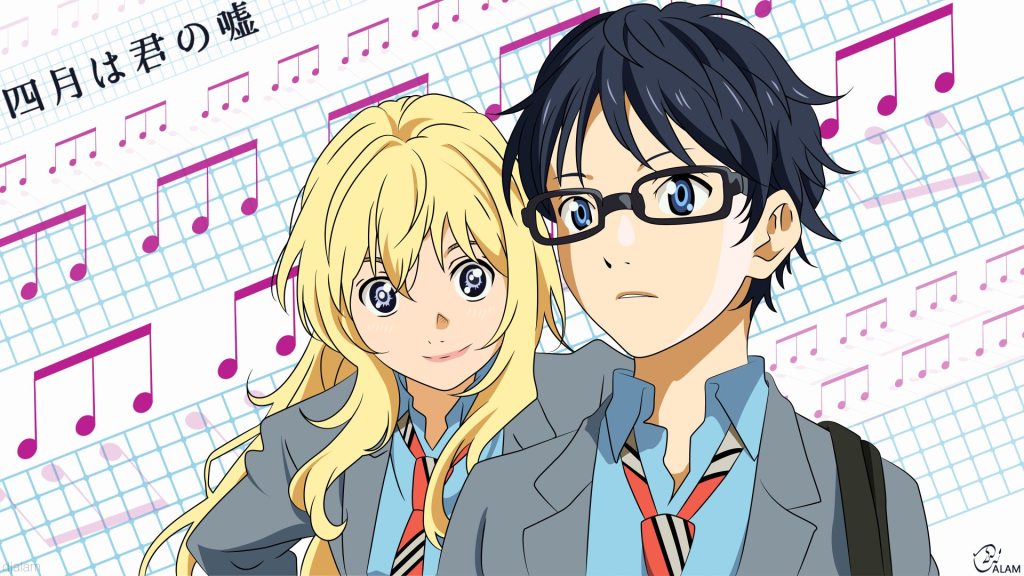
Your Lie in April isn’t just a romance. It’s a story about emotional rebirth. You must’ve heard of or even watched this anime before but still, hear me out on this.
Summary:
At its core, Your Lie in April is a story about rediscovering passion. Kousei Arima, a piano prodigy traumatized by his past, meets Kaori Miyazono, a free-spirited violinist who changes his world. Through music, competition, and growing affection, the anime explores how love can reignite creativity and self-worth. The narrative blends romance with artistic growth, using musical performances as emotional storytelling rather than background flair.
Ending Analysis:
Kousei’s relationship with Kaori isn’t built on romance clichés — it’s built on healing, inspiration, and unspoken affection. The anime disguises its tragedy behind color, music, and energy, which makes the ending feel like the ground collapsing beneath you.
The final moments don’t hurt because of what happens — they hurt because you realize how much was left unsaid.
This is a romance that ends, but its impact never does.
4. Orange
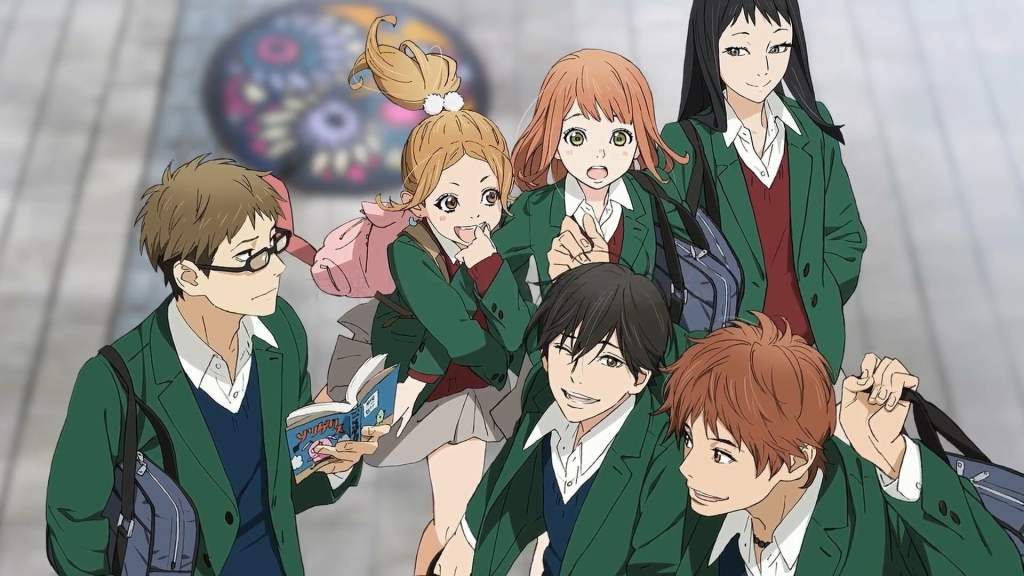
This anime approaches you with romance through regret.
Summary:
Orange follows Naho Takamiya, a quiet high school girl who receives a series of letters from her future self. These letters warn her about the regrets she will carry if she doesn’t change certain moments — all centered around a transfer student named Kakeru Naruse. What starts as a gentle school romance slowly becomes a story about mental health, guilt, and the weight of unspoken emotions. The anime balances slice-of-life warmth with an underlying sense of urgency, making every ordinary moment feel fragile and important.
Ending Analysis:
Orange isn’t asking, “Will they end up together?”
It’s asking, “Can love save someone who doesn’t want to be saved?” (Rings the bell for you?)
The relationship between Naho and Kakeru is fragile, quiet, and painfully realistic. The ending lands heavy because it shows that even with effort, support, and love, some scars don’t vanish easily.
It’s romance filtered through mental health — and that’s why it hurts.
5. Air
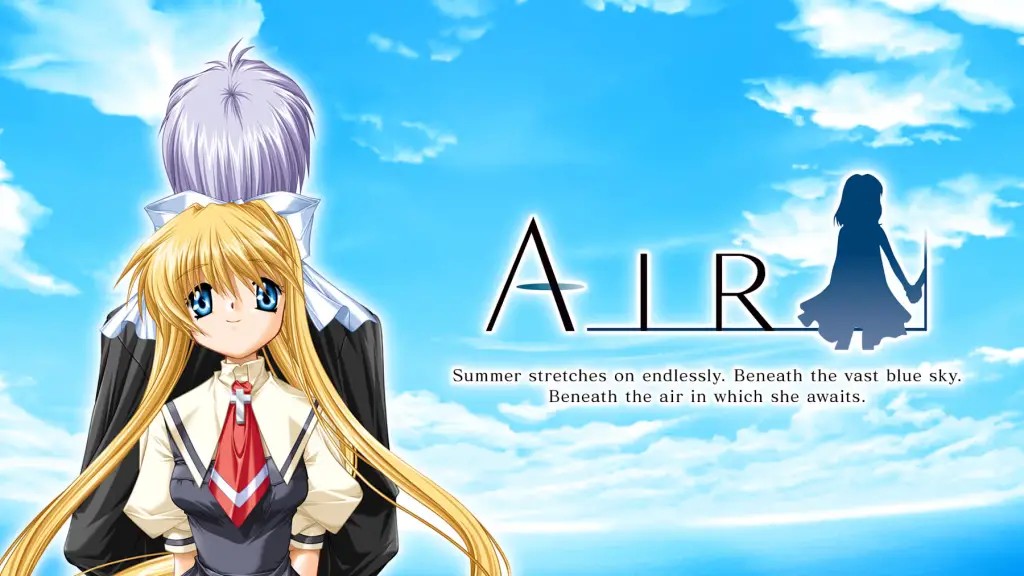
Air feels like a memory you can’t fully grasp.
Summary:
Air is a melancholic romance that blends folklore, reincarnation, and emotional isolation. The story follows Yukito, a traveling performer searching for the meaning behind a mysterious promise tied to a girl “in the sky.” As he meets several girls connected by fate and tragedy, the anime slowly reveals a cycle of suffering that spans generations. Air isn’t driven by plot twists, but by atmosphere — quiet conversations, lingering silences, and a constant sense of sorrow woven into its world.
Ending Analysis:
Its romance is wrapped in fate, reincarnation, and emotional isolation. The sadness doesn’t come from a single loss but from the idea that love itself is trapped in a cycle, repeating across time without resolution.
This anime leaves you feeling empty — not because it explains everything, but because it doesn’t
6. True Tears
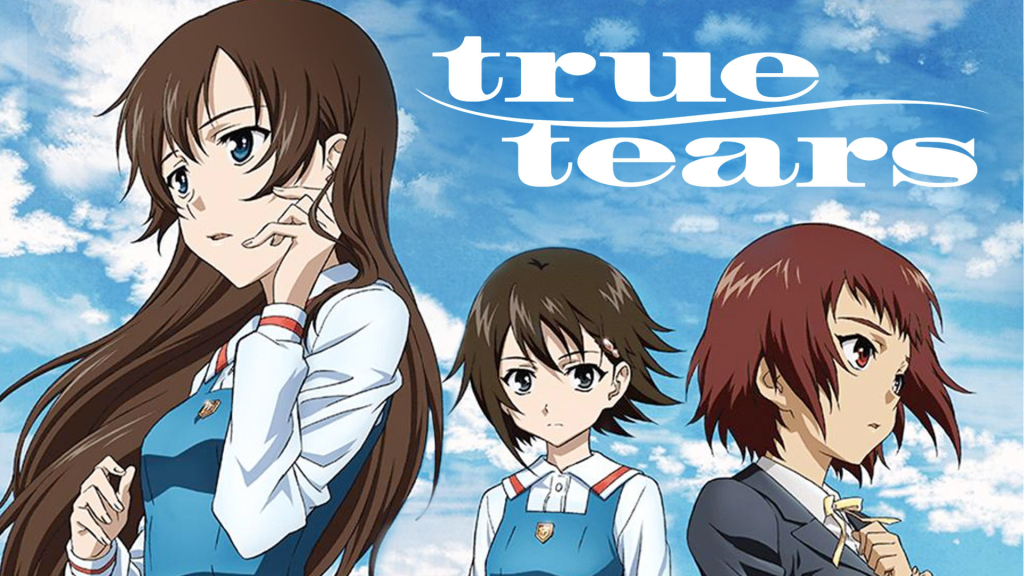
True Tears is painful because it refuses to simplify emotions.
Summary:
True Tears centers on a group of high school students struggling to understand their own feelings. Shinichiro, the main character, finds himself emotionally torn between multiple girls, each dealing with personal trauma and emotional confusion. The anime doesn’t rush romance or force clarity — instead, it portrays love as messy, uncertain, and deeply personal. The slow pacing and grounded tone give the story a realistic feel, focusing more on emotional honesty than dramatic spectacle.
Ending Analysis:
The characters don’t always know who they love — or why. The romance is tangled, awkward, and emotionally confusing, just like real relationships. The ending doesn’t provide dramatic closure; instead, it leaves you with the quiet realization that not all love stories resolve cleanly.
Its sadness rooted in realism.
7. Scum’s Wish
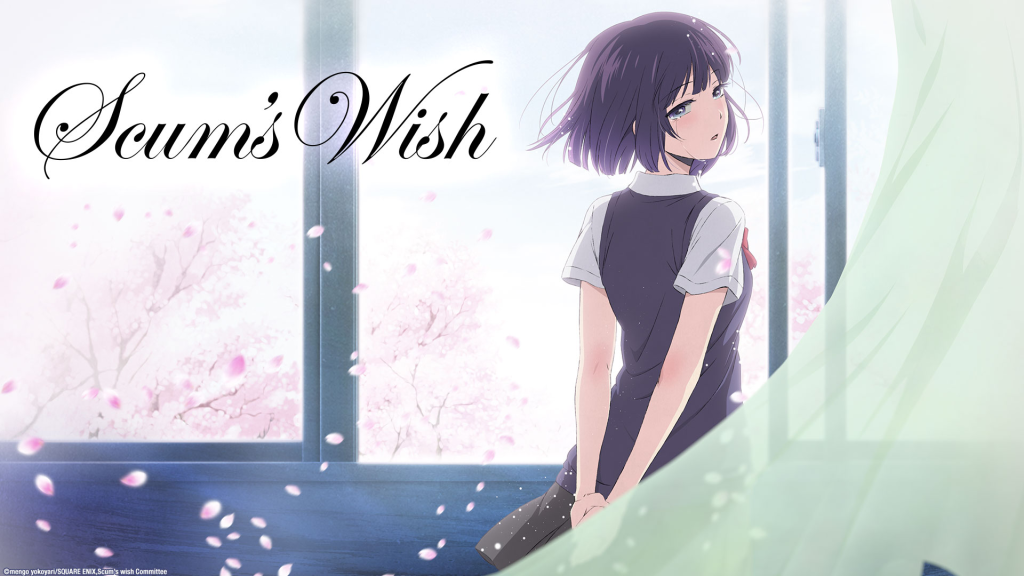
Scum’s Wish doesn’t try to romanticize love — it actually exposes it.
Summary:
Scum’s Wish portrays romance stripped of idealism. Hanabi and Mugi enter a fake relationship to cope with their unrequited love for other people. What follows is an exploration of desire, loneliness, and emotional dependency. The anime doesn’t shy away from uncomfortable truths, depicting flawed characters who hurt each other while searching for validation. It’s a raw look at relationships formed out of need rather than mutual love.
Ending Analysis:
Scum’s wish explores obsession, loneliness, and emotional dependency. The romance isn’t pure, and the ending doesn’t offer redemption or comfort. Instead, it reflects the uncomfortable truth that sometimes people use love to fill emotional voids.
It’s not sad because it’s tragic. It’s sad because it’s honest.
8. A Lull in the Sea
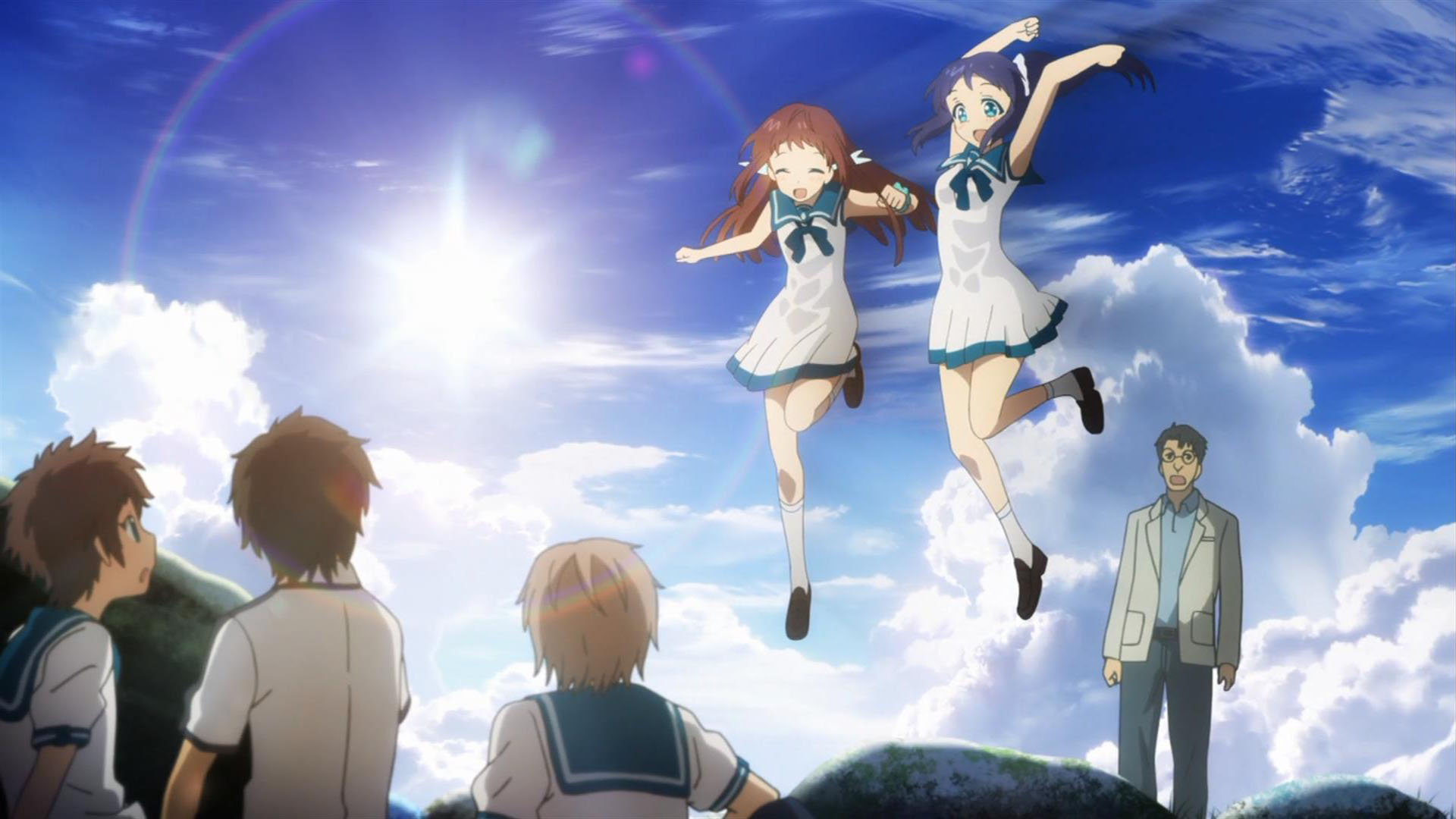
This is a romance about change.
Summary:
Set in a world where humans live both on land and beneath the sea, A Lull in the Sea follows a group of childhood friends navigating school, identity, and love. As their environment and circumstances change, so do their feelings. The anime uses its fantasy setting to reflect emotional distance, jealousy, and the pain of growing apart. Romance here is slow, evolving naturally alongside character development and shifting relationships.
Ending Analysis:
The ending of A Lull in the Sea hurts because it accepts a truth many romance anime avoid: people don’t always grow together. Feelings evolve, timing shifts, and circumstances reshape relationships in ways that love alone can’t fix.
Rather than delivering a dramatic or tragic conclusion, the anime opts for something quieter — an emotional maturity that acknowledges that loving someone doesn’t guarantee staying with them. The sadness here isn’t about loss, but about acceptance, and that’s what makes it linger long after the final episode.
9. Blue Spring Ride
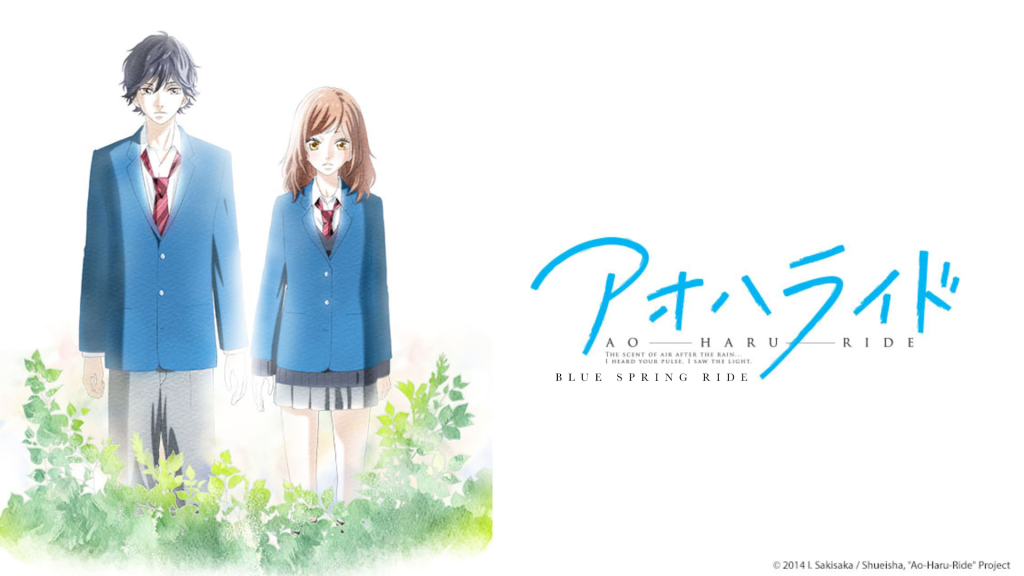
Blue Spring Ride captures the pain of missed timing.
Summary:
Blue Spring Ride tells the story of Futaba Yoshioka, a girl trying to redefine herself after losing touch with her first love. When Kou Tanaka re-enters her life years later, both have changed — shaped by loss and emotional walls. The anime focuses on second chances, misunderstandings, and the difficulty of reconnecting with someone you once knew. Its romance feels grounded and restrained, rooted in emotional growth rather than dramatic gestures.
Ending Analysis:
Blue Spring Ride ends on an emotionally restrained note, mirroring the anime’s overall tone. The sadness doesn’t come from heartbreak in the traditional sense, but from realizing how unspoken feelings and past trauma can permanently change relationships.
The ending reflects the idea that reconnecting with someone doesn’t mean returning to who you once were. Love here is shaped by growth, misunderstandings, and emotional distance — making the conclusion feel realistic rather than cruel.
10. Into the Forest of Fireflies’ Light
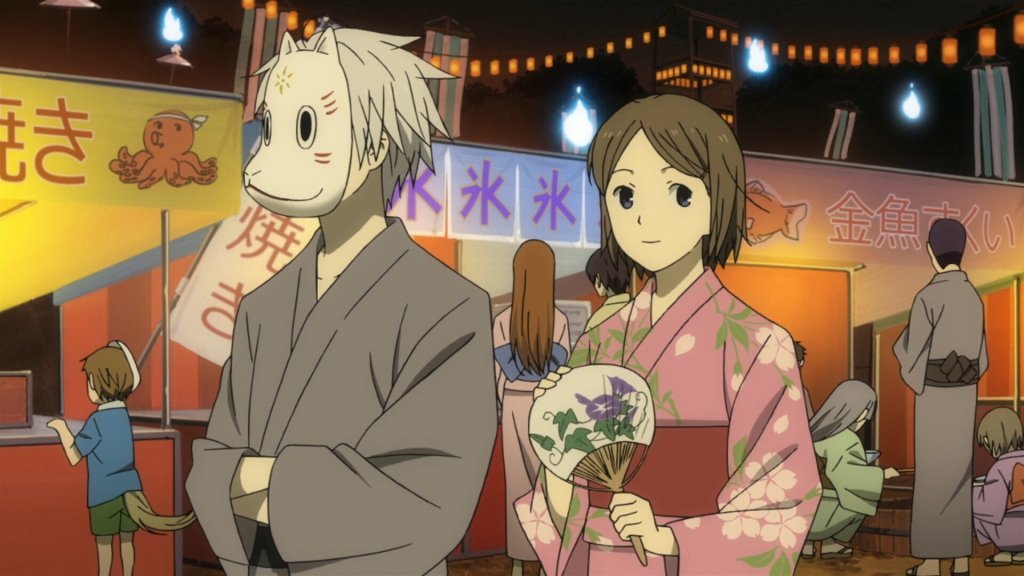
This anime story is built on an unavoidable rule, and the romance grows despite it.
Summary:
This short film follows Hotaru, a girl who befriends Gin, a mysterious boy who cannot be touched without disappearing. As the two grow older, their bond deepens into something more than friendship. The story is simple but powerful, using silence, small moments, and visual softness to convey emotion. It’s a quiet exploration of connection, distance, and love that exists within strict boundaries.
Ending Analysis:
This story’s ending is painful because the rules were always clear.
The anime builds its romance around limitations — boundaries that cannot be crossed without consequences. As the bond deepens, the audience becomes acutely aware that time itself is the enemy. The sadness isn’t sudden or shocking; it’s gentle, inevitable, and emotionally devastating precisely because it was unavoidable.
It’s a reminder that some love stories are meaningful because they’re temporary.
11. Angel Beats
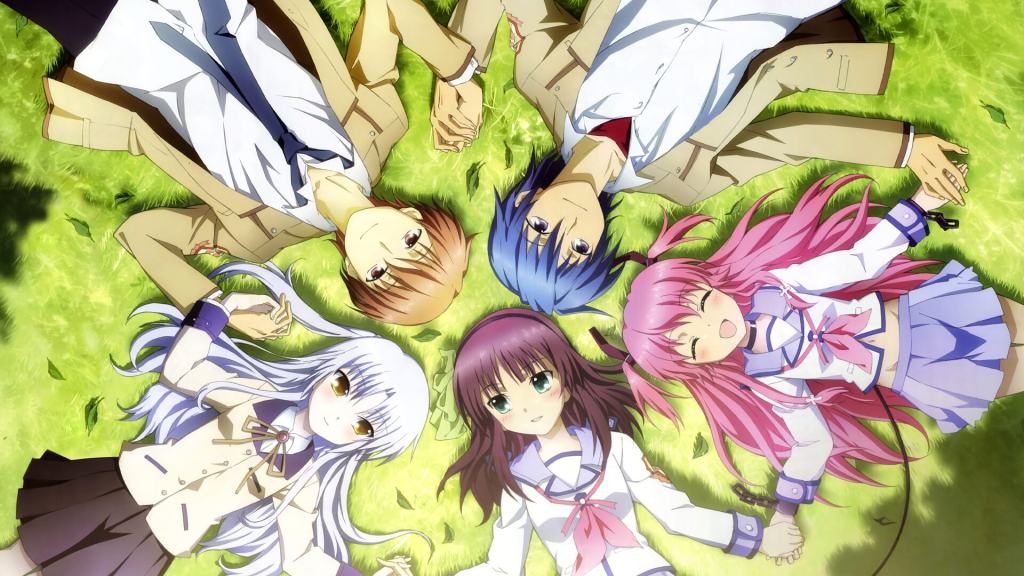
Angel Beats uses chaos and humor to disguise its emotional core.
Summary:
Angel Beats takes place in a mysterious afterlife school where students who suffered unfair deaths band together. As the protagonist Otonashi uncovers the truth behind the world, he forms connections with those around him — including Kanade, a quiet and enigmatic girl. The anime blends action, comedy, and emotional storytelling, gradually shifting focus toward acceptance, forgiveness, and the bonds formed through shared pain.
Ending Analysis:
The ending of Angel Beats hits differently depending on when you watch it in life.
At first glance, it feels bittersweet. On reflection, it’s deeply emotional — centered on the idea that love isn’t always about staying together, but about helping someone move forward. The romance doesn’t dominate the story, but when it finally surfaces, it reframes everything that came before it.
The sadness here is intertwined with closure, which makes the ending both painful and oddly comforting.
12. Golden Time
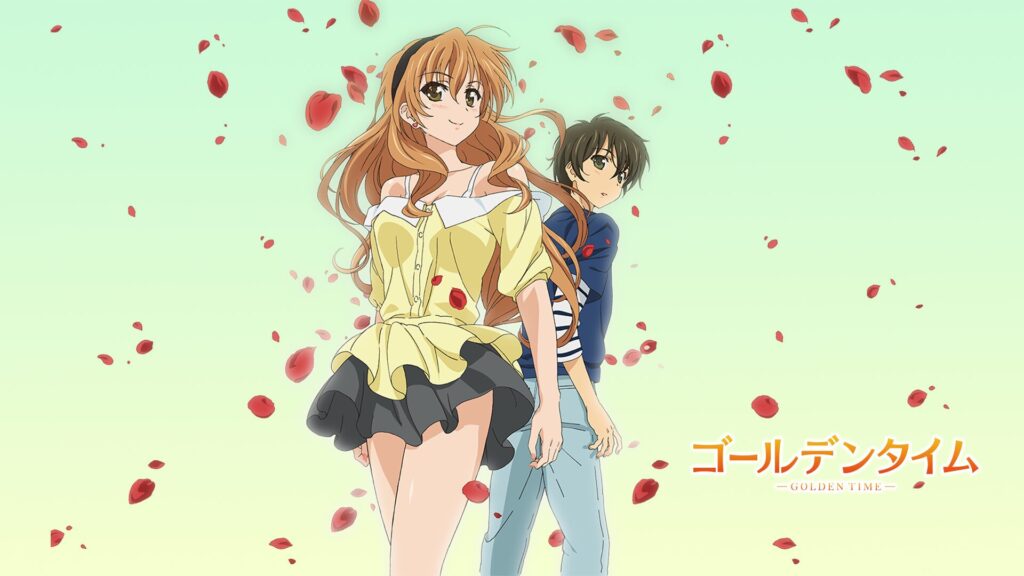
Golden Time explores love through identity and memory.
Summary:
Set in college rather than high school, Golden Time explores romance through the lens of memory loss and identity. Banri Tada starts fresh after losing his past memories, only to find his old self slowly resurfacing. His relationship with Kouko is intense, emotional, and complicated by his fractured sense of self. The anime examines how love changes when memories — and the people tied to them — aren’t stable.
Ending Analysis:
As mentioned, Golden Time delivers an ending that feels emotionally heavy because it questions identity itself. The romance is constantly challenged by memory, change, and the fear of losing oneself.
The sadness doesn’t stem from tragedy, but from uncertainty — whether love can remain intact when the person you love is no longer the same. The ending leaves viewers reflecting on how fragile relationships can be when built on shifting versions of the self.
13. Love and Lies
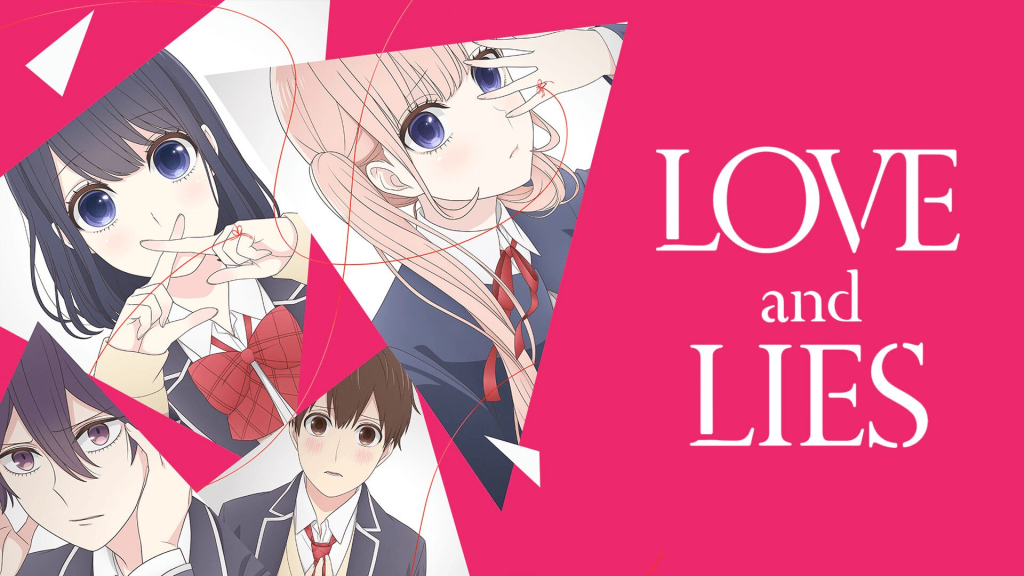
The pain in this anime comes from watching genuine feelings clash with imposed relationships.
Summary:
In a society where the government assigns marriage partners based on compatibility, Love and Lies follows Yukari, a boy torn between his assigned future and his genuine feelings. The anime explores the conflict between duty and desire, questioning whether love can truly exist without choice. Romance here feels restrictive and tense, shaped by rules rather than freedom.
Ending Analysis:
The ending of Love and Lies is unsettling by design.
Rather than resolving emotional conflicts cleanly, the anime leans into discomfort — the kind that arises when personal feelings clash with societal systems. Romance here feels constrained, pressured, and incomplete.
The sadness isn’t emotional devastation, but emotional frustration. You’re left questioning whether love can truly thrive when choice is taken away — and that lingering doubt is what defines the ending.
14. Guilty Crown
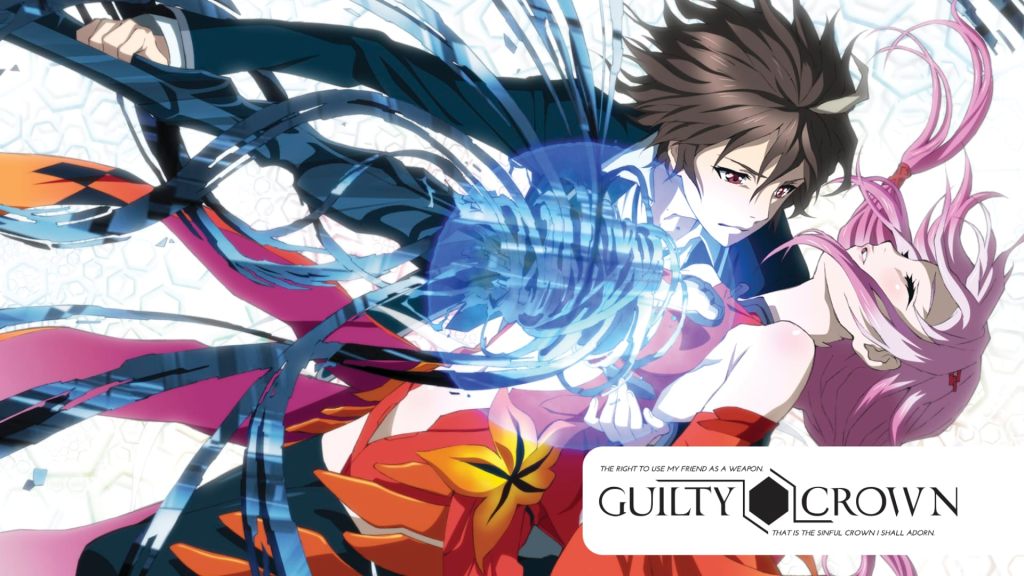
Guilty Crown is primarily a Sci-Fi anime is set in a near-future Japan under quarantine after a mysterious apocalypse.
Summary:
The story follows Shu Ouma, a timid and socially withdrawn teenager whose life changes when he meets Inori Yuzuriha, a mysterious girl tied to a resistance group fighting the ruling authority.
Shu gains the power to draw “Voids” — manifestations of a person’s heart — turning emotions into weapons. What begins as a rebellion-driven sci-fi narrative gradually transforms into a deeply personal story about responsibility, power, and the emotional cost of leadership. Romance plays a central role, but it’s never simple or safe; it’s tangled with fear, sacrifice, and impossible choices.
Ending Analysis:
The ending of Guilty Crown is tragic because it demands sacrifice — not as a heroic gesture, but as a consequence of love and responsibility colliding. Romance in this anime isn’t a reward; it’s a burden that forces characters to make irreversible decisions.
The sadness doesn’t come from shock or sudden loss, but from watching characters accept pain as the price of protecting others. Love here is portrayed as something powerful enough to save, but never without cost. The final moments leave you with a quiet emptiness — the kind that lingers because the ending feels earned, even when it hurts.
15. Cyberpunk: Edgerunners
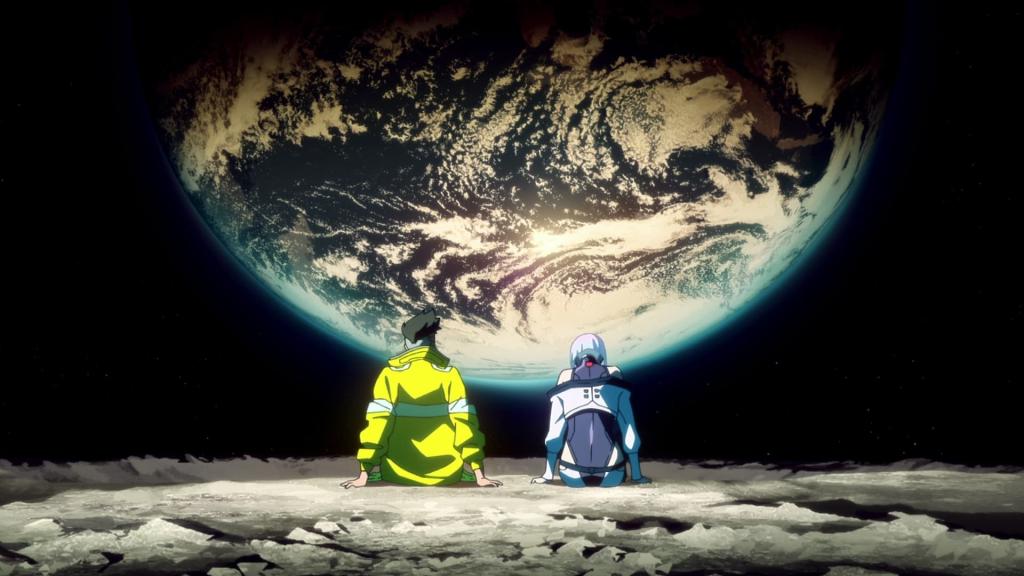
Not a romance anime — but undeniably one of anime’s saddest love stories.
Summary:
Set in the brutal, neon-lit Night City, Cyberpunk: Edgerunners follows David Martinez, a street kid pulled into the world of mercenaries and cybernetic enhancement. Amid the violence and chaos, David forms a relationship with Lucy, a netrunner with dreams of escaping the city. Their bond offers moments of tenderness in an otherwise unforgiving world. Though not structured as a traditional romance anime, the emotional core of their relationship drives the story forward.
Ending Analysis:
Cyberpunk: Edgerunners doesn’t treat romance as something safe or sacred. It treats it as something fragile — something that struggles to survive in a brutal world.
The ending is devastating because it highlights how environment can crush even genuine love. Dreams exist, but they come at a cost. The romance doesn’t fail because of betrayal or misunderstanding — it fails because the world simply doesn’t allow softness to last.
It’s tragic not because it’s unexpected, but because it feels brutally honest.
Tags:
Related Articles:
- The Most Awaited Anime of 2026 (So Far)
- Re:Zero Season 3: The Ultimate Trial Begins in a World of Unrelenting Despair – Anime Cultivated
- Jujutsu Kaisen Season 3: Culling Game Arc Part 1 Premieres Jan 8, 2026 — Timings and Worldwide Schedule
- Jujutsu Kaisen Season 3 Opening: Art References & Symbolism
- 50 Most Underrated Anime — The Best Recs You’ll Ever Get!
- Fall 2025 Anime Guide: 15 Shows Every Otaku Needs on Their Watchlist
- Top 10 Anime Fights with God-Tier Animation