
If you’ve been watching Jujutsu Kaisen and found yourself scratching your head over “Positive Energy,” “Simple Domains,” “The Art References” or why Gojo is basically a god, you aren’t alone. Even within the community, it’s a running joke that the power system is so complex it requires a PhD to fully grasp. But don’t worry—I’ve got you covered. Let’s break down the world of Cursed Energy in a way that actually makes sense.
1. The Fuel: Cursed Energy
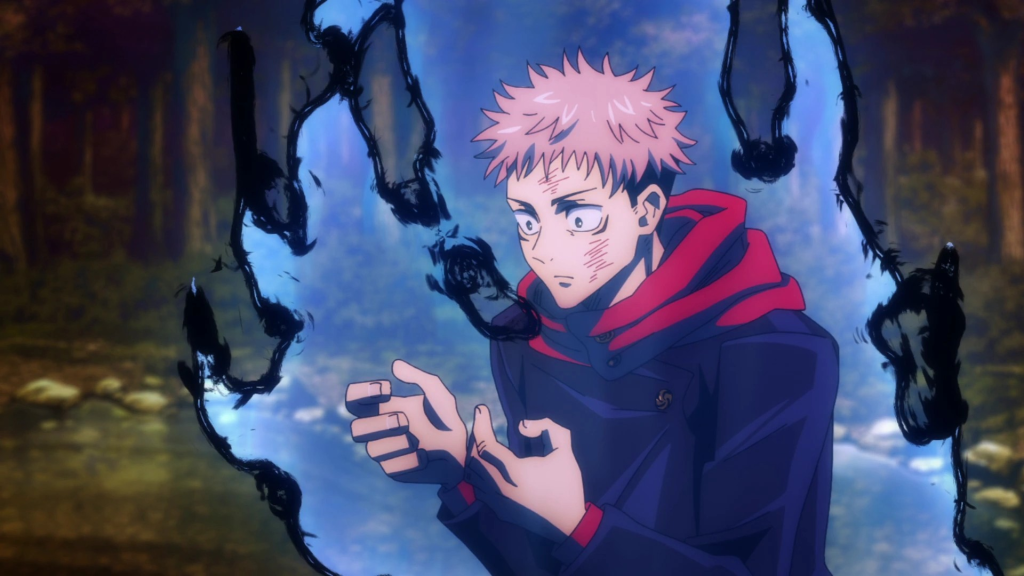
Everything starts with Cursed Energy, which is the quantifiable power of human negative emotions like sadness and anger.
- Normal Humans: They leak this energy, which accumulates in places with high stress—like schools, hospitals, or graveyards—eventually birthing Cursed Spirits (or “Curses”).
- Jujutsu Sorcerers: These are individuals who can control the flow of Cursed Energy within their bodies rather than letting it leak.
- Reserves vs. Output: Reserves refer to the total “tank” of energy a sorcerer has; for example, Yuta Okkotsu is famous for “bottomless” reserves. Output is the actual amount of damage they can push out at once, similar to an “attack stat” in an RPG.
- Cursed Energy Manipulation: This is the skill of moving energy through the body to reinforce hits or fake out an opponent.
2. The Physical Mastery: Taijutsu & Black Flash
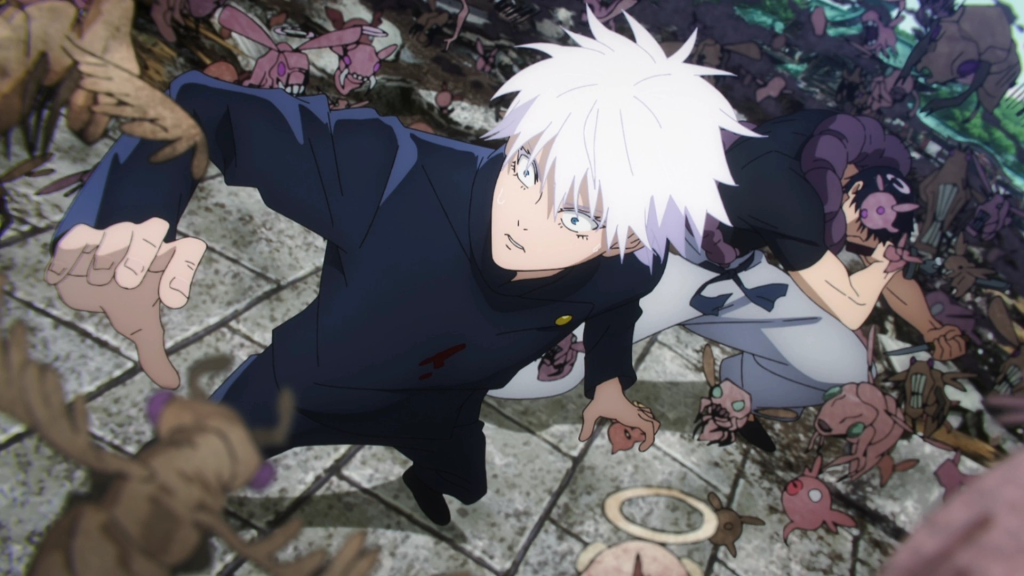
While many rely on “spells,” close-quarters combat (Taijutsu) is vital.
- Cursed Energy Reinforcement: Sorcerers use this to coat their bodies or weapons to take less damage and hit harder.
- Divergent Fist: A “lagged” punch where the physical impact lands first, followed by a second wave of Cursed Energy.
- Black Flash: The holy grail of JJK combat. It occurs when Cursed Energy is applied within 0.000001 seconds of a physical hit, creating a spatial distortion that multiplies damage by 2.5x. It puts the user in a “flow state” where they operate at 120% potential.
3. The "Spells": Cursed Techniques
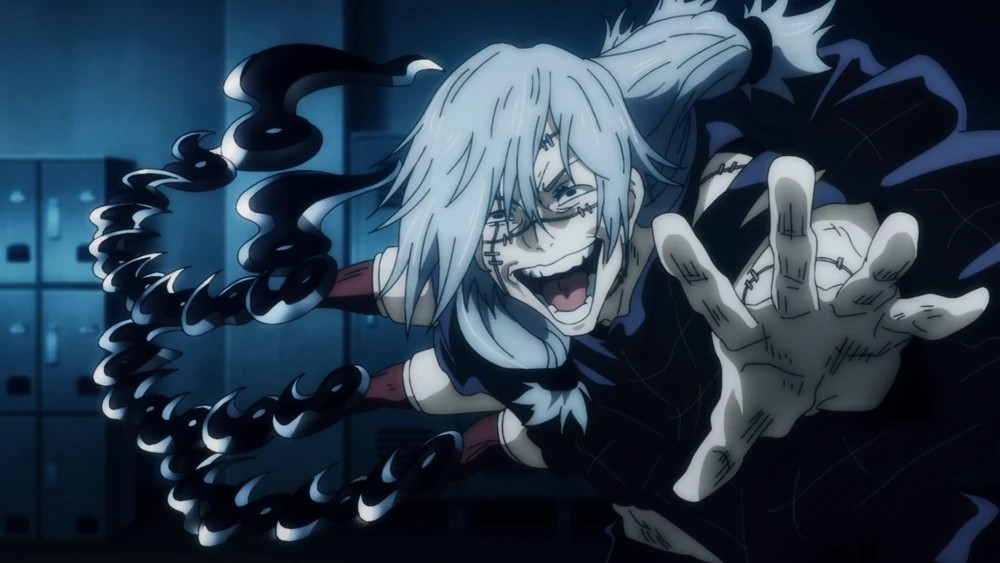
Most sorcerers are born with a Cursed Technique etched into their brain’s prefrontal cortex, usually manifesting around age five or six.
- Innate Techniques: Unique powers that are specific to a single person.
- Inherited Techniques: Powers passed down through bloodlines, like the Gojo clan’s Limitless, the Zenin clan’s Ten Shadows, or the Kamo clan’s Blood Manipulation.
- Non-Inherited Techniques: Unique powers not tied to bloodlines, such as Nobara’s Straw Doll Technique or Todo’s Boogie Woogie.
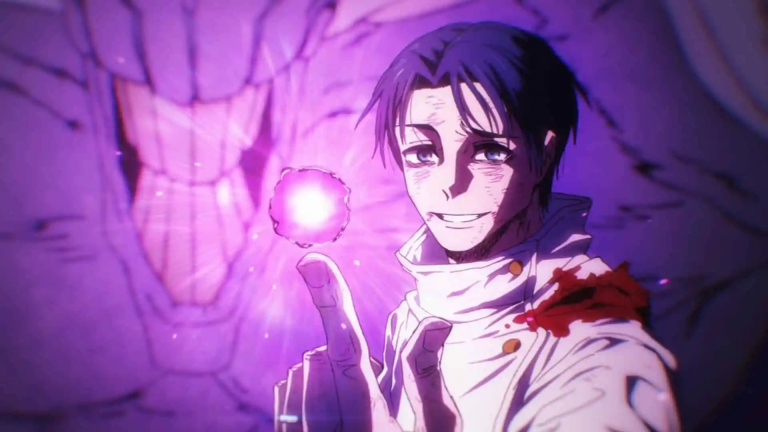
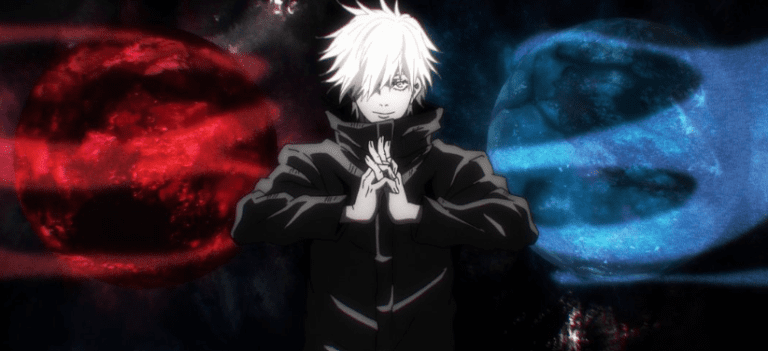
- Extension Techniques: Creative sub-moves derived from a base technique, such as Nanami’s Collapse or Gojo’s Hollow Purple.
- Maximum Techniques: The absolute pinnacle of a specific technique, like Geto’s Uzumaki.
4. The Math of Magic: Reverse Curse Technique
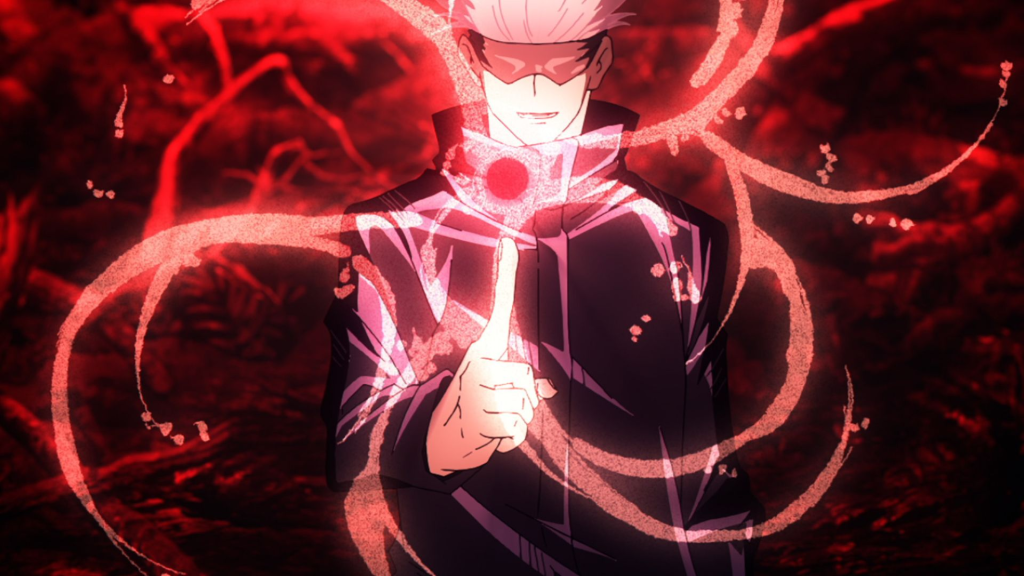
This is where people get confused. Cursed Energy is negative. But if you multiply negative energy by negative energy, you get Positive Energy.
- Healing: Positive energy is primarily used via Reverse Curse Technique to heal wounds or even regrow limbs. Ex: Yuta’s healing abilities to others.
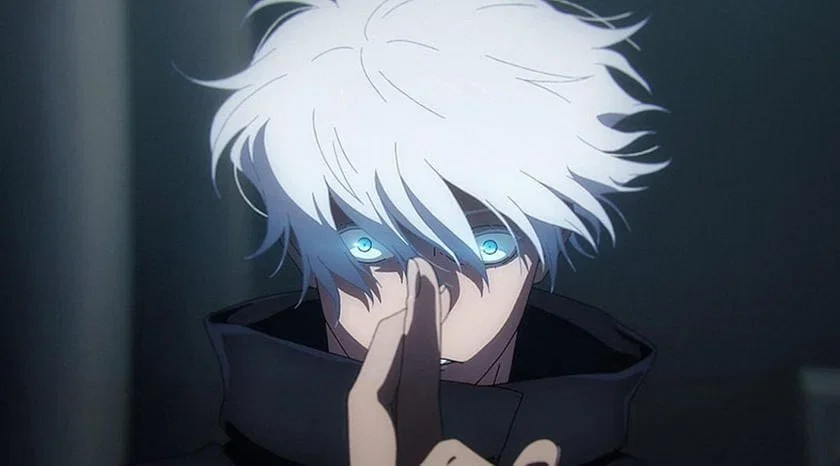
- Cursed Technique Reversal: By powering a standard technique with positive energy instead of negative energy, you flip its effect. For example, Gojo’s Lapse: Blue (attraction) becomes Reversal: Red (repulsion)
5. The Ultimate Move: Domain Expansion
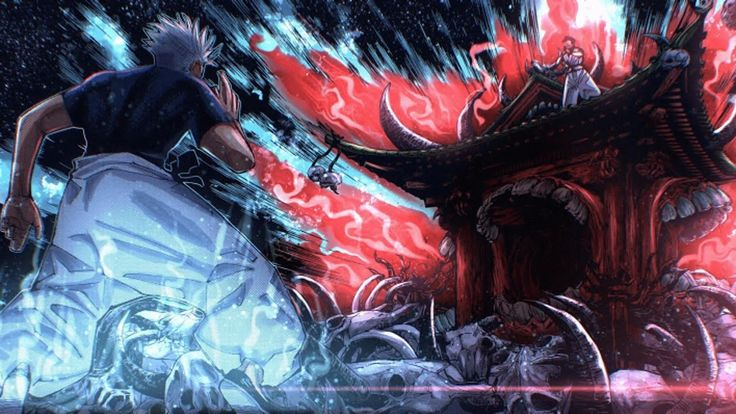
Imagine bringing the landscape of your mind into the real world. That is an Innate Domain—a metaphysical headspace. When you manifest this space physically using a barrier and imbue it with your Cursed Technique, it’s called Domain Expansion.
- Sure-Hit Effect: Most Lethal domains imbue the barrier with a technique, making it impossible to dodge attacks once inside.
Non-Lethal Domains: Force targets to follow specific
rules (like a courtroom trial) rather than instant death
6. Survival: Anti-Domain & Barrier Techniques
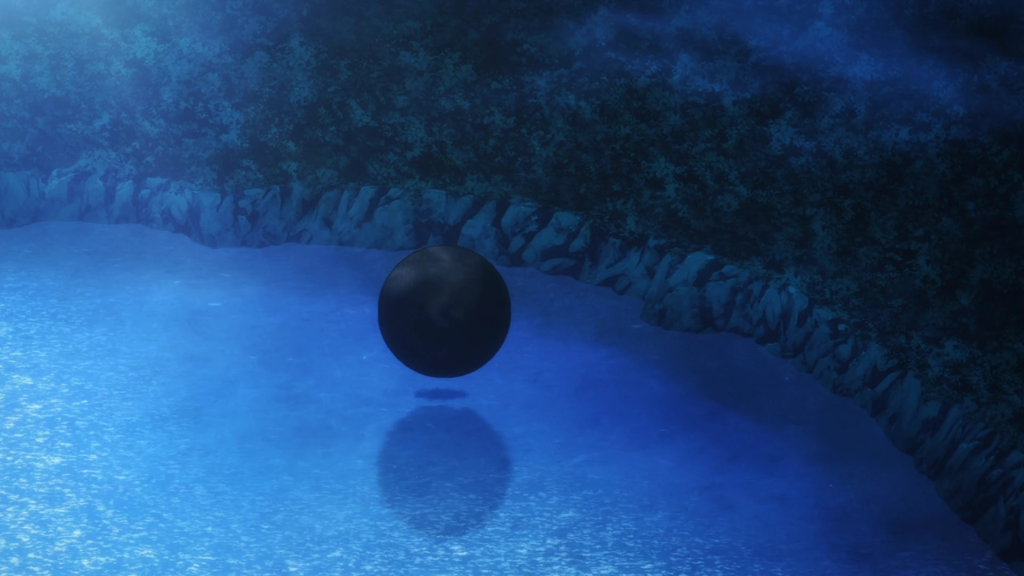
- Simple Domain: A “domain for the weak” that creates a small circle around the user to neutralize a domain’s sure-hit.
- Domain Amplification: Wrapping oneself in a thin “cloak” of a domain to neutralize any technique it touches.
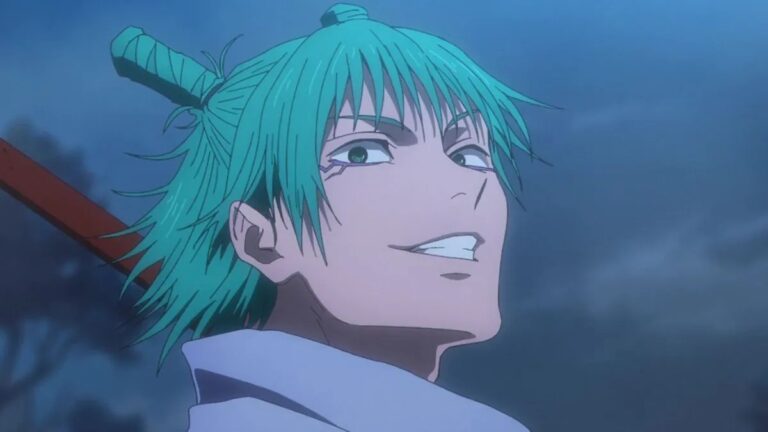
- Hollow Wicker Basket & Falling Blossom Emotion: Ancient or secret techniques used to counter the “sure-hit” of a domain. In culling game, this technique is going to be used by “Hajime Kashimo”: The God of Lightening
- Curtains (Veils): Basic barriers used to hide jujutsu activity from the public
7. The "Rules" and Trades: Vows & Restrictions
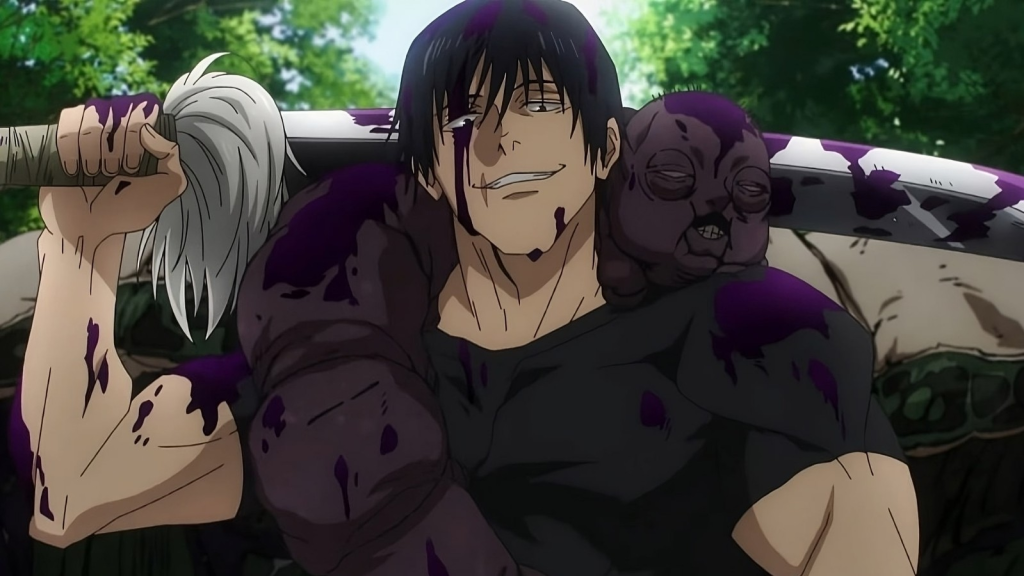
Jujutsu is all about the system of “give and take”.
- Binding Vows: Contracts with oneself or others to gain a boost. A common one is “Revealing One’s Hand,” where explaining your technique out loud actually makes it stronger.
- Heavenly Restriction: A trade-off made at birth. Some have zero Cursed Energy but gain superhuman physical strength (like Maki or Toji), while others have a frail body in exchange for massive energy reserves and range (like Mechamaru)
8. The Hierarchy: Grading and Epiphany
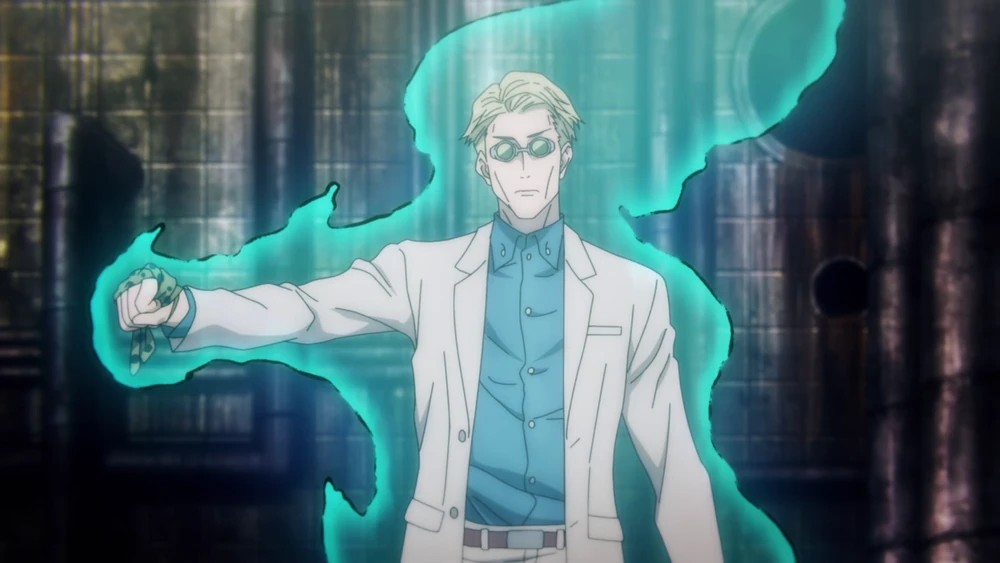
In the JJK world, Grading System measures a sorcerer’s collective ability across all these categories (Grade 4 to Special Grade).
However, growth in this world isn’t just about training; it’s about Epiphanies. A sudden realization about the “core of cursed energy” or a breakthrough in self-perception can allow a sorcerer to jump multiple grade levels instantly—which is why the power system feels so explosive and unpredictable
- Grade 4 to 2: Standard sorcerers handling minor to moderate threats.
- Grade 1: The elite; sorcerers like Nanami or Kusakabe who are high-level masters of their craft.
- Special Grade: The anomalies. These are beings with enough power to potentially overthrow a country, such as Gojo, Sukuna, or Geto
9. The Extended Jujutsu Kaisen Power Terminologies
- Cursed Spirits (Curses): These are spiritual beings manifested entirely from the accumulation of human negative emotions. The most powerful ones often embody collective societal fears, such as the Disaster Curses (Mahito, Jogo, Hanami) who represent fears of humans, the earth, and the forest.
- Cursed Objects: These are remnants of ancient sorcerers or powerful spirits preserved in a physical form, such as Sukuna’s Fingers. They can be used as a medium for reincarnation if consumed by a compatible vessel.
- Cursed Tools: Weapons or support items that have been purposefully imbued with a curse. These allow users to apply cursed energy through an object or enable those with low energy to fight spirits. For ex: Maki’s Sword in Culling Game.
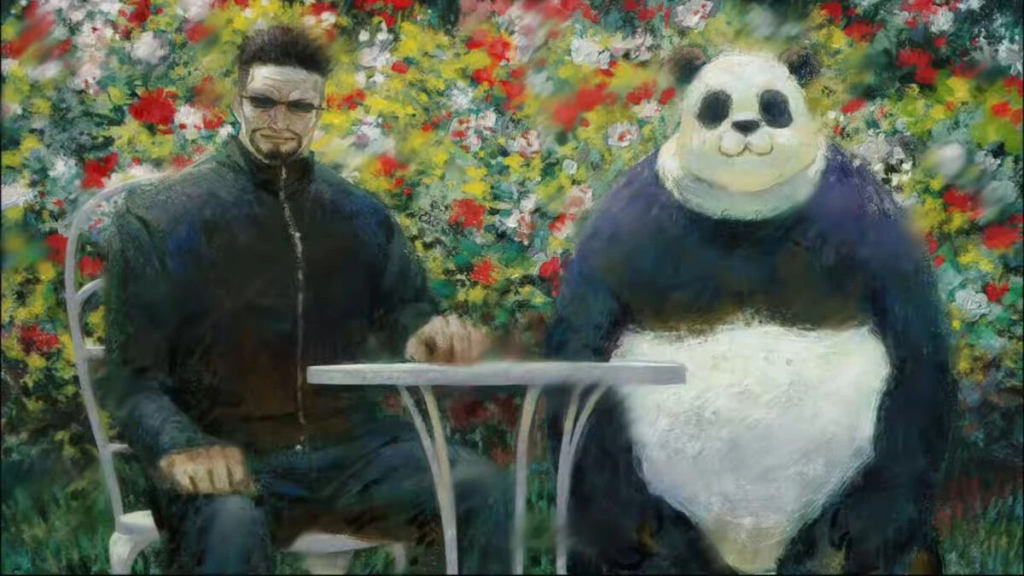
- Cursed Corpses: Inanimate objects or dolls that have been endowed with a “heart” or curse, allowing them to move independently and gain self-control, like Panda.
- Incomplete Domain: A state where a sorcerer expands their innate domain using raw cursed energy but fails to fully imbue it with their technique or a complete barrier, often resulting in severe fatigue.
- Barrierless Domain: A legendary application of domain expansion where the user manifests their innate domain directly into reality without a surrounding barrier, such as Sukuna’s Malevolent Shrine.
- Empty Barrier: A specific type of barrier technique that creates a vacant zone defined by an outer shell made of hexagon-shaped panels.
- Pure Barrier: A superior version of a standard barrier that increases the precision of cursed spirit suppression; these are often maintained by high-level assistant managers.
- Bond Barrier: The most superior form of barrier, even more advanced than pure barriers, used for massive operations like the Culling Game.
- Falling Blossom Emotion: A secret art passed down through the three Great Sorcerer Families that counterattacks with cursed energy the moment a domain’s sure-hit attack makes contact with the user.
Closing Thoughts
And that’s the core of Jujutsu Kaisen’s power system — From cursed energy manipulation to domain supremacy, Gege surely cooked a system where knowledge matters just as much as power.
If there’s any concept you want me to break down deeper —
a technique you’re still confused about,
a rule you think I missed,
or a theory you want validated — drop it in the comments. Let’s turn this into a true sorcerer-level discussion.
And if this breakdown helped you understand JJK better, bookmark this blog for future rereads and follow us on Instagram @animecultivated for more deep dives, lore threads, and otaku-grade analysis.
TAGS:
Related Articles:
- Hajime Kashimo Explained: The God of Lightning Fans Still Misunderstand
- Jujutsu Kaisen Season 3 Opening: Art References & Symbolism
- 8 Anime you Must Watch if you love Jujutsu Kaisen
- Jujutsu Kaisen Season 3: Culling Game Arc Part 1 Premieres Jan 8, 2026 — Timings and Worldwide Schedule
- Jujutsu Kaisen Creator Gege Akutami Returns With New Manga Starting Sept 8
- Ultimate Guide to Jujutsu Kaisen
- The Most Awaited Anime of 2026 (So Far)
- 50 Most Underrated Anime — The Best Recs You’ll Ever Get!
- Fall 2025 Anime Guide: 15 Shows Every Otaku Needs on Their Watchlist
- Top 10 Anime Fights with God-Tier Animation