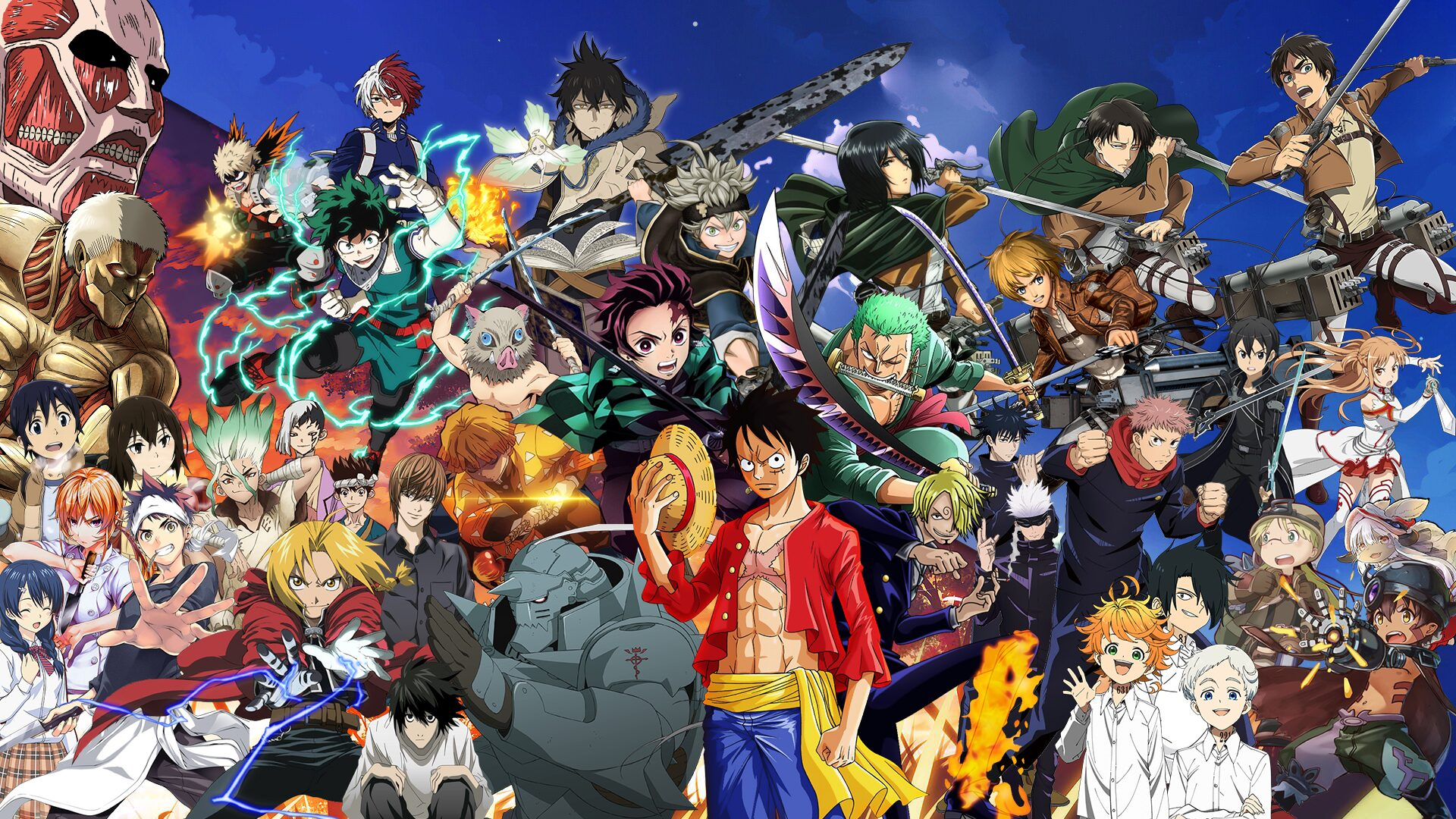

Already read our breakdown of anime demographics — Shonen, Seinen, Shoujo and what all those words actually mean? Good, because this is the next piece of that puzzle. If you haven’t, go check that one out first. It’ll make this one land better.
So demographics tell you who a show is made for. Genres tell you what actually happens inside it. And this is where things get really interesting — because anime has built its own genre vocabulary that simply doesn’t exist anywhere else. You won’t find isekai or iyashikei in a list of Hollywood film categories. These terms are specific to anime and manga culture, and understanding them genuinely changes how you navigate the medium.
We’ll go through the anime-specific subgenres first since those are the ones that actually need explaining. Then at the end, we’ll quickly map the universal genres you already know to some anime examples so you have the full picture.
Table of Contents
Anime Specific Subgenres
These are the terms worth spending time on. Most of them have no real Western equivalent, which is exactly why people get confused by them.
1. Isekai (異世界) "Another World"
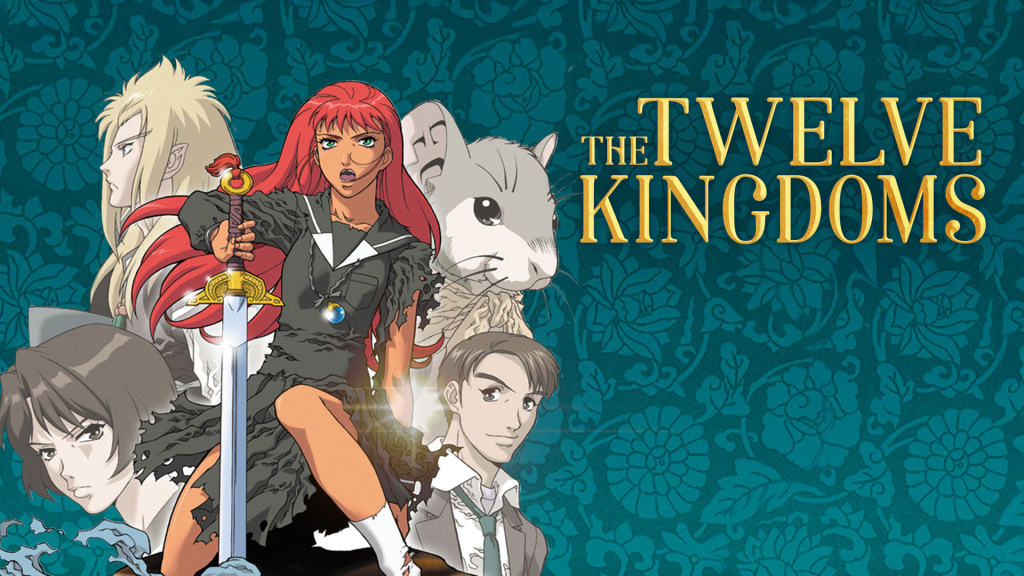
If there’s one anime subgenre that has completely taken over the last decade, it’s isekai. Spend any amount of time in anime spaces and you’ll run into this word constantly.
The setup is pretty simple. An ordinary person gets pulled out of the real world and dropped into a fantasy world. How it happens is part of the fun — getting hit by a truck (truck -kun) is practically a genre tradition at this point, and yes, there is an anime where the protagonist reincarnates as a vending machine. Anime commits to its premises.
But here’s what people miss about isekai. The transportation is just the entry point. What actually happens once the protagonist arrives in that other world is where shows separate themselves. Some isekai is straightforward power fantasy — overpowered protagonist, leveling system, watching someone become unstoppable. There’s genuine entertainment value in that. But then you have Re:Zero, which takes the exact same premise and puts its main character through some of the most psychologically intense storytelling in the genre. Or Mushoku Tensei, which uses reincarnation as the foundation for a genuinely moving coming of age story. Or Konosuba, which just makes fun of the whole thing from start to finish and pulls it off brilliantly.
Same setup. Wildly different experiences.
Personally I’d start with Re:Zero if you want something that takes the genre seriously. Konosuba if you want to laugh at it first. No Game No Life if strategy and clever world building are more your speed.
Relevant keywords: isekai anime meaning, what is isekai, isekai explained, best isekai anime to start with.
RELATED ARTICLES:
2. Mecha (メカ) "Giant Robots"
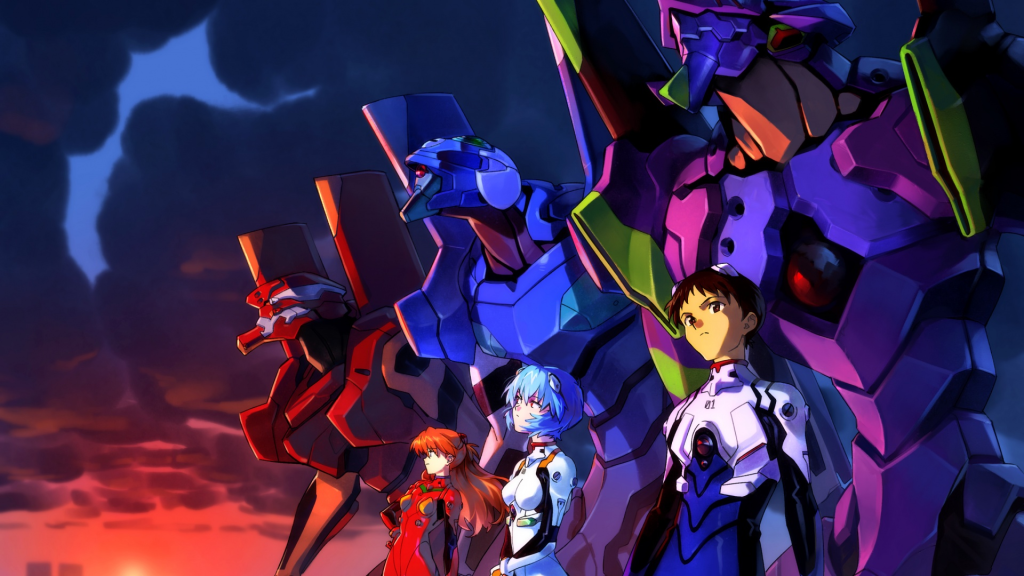
Yes, mecha is the giant robot genre. But if you go in expecting it to just be cool machines punching each other, you’re going to be surprised by what you actually find.
The robot in almost every meaningful mecha series is never just a robot. It’s a metaphor. For the pilot’s psychological state, for political power, for the cost of war, for humanity’s relationship with the technology it creates. Mobile Suit Gundam built an entire decades long franchise on one central argument: fighting a war in giant machines is still fighting a war, with every human cost that comes with it. Neon Genesis Evangelion went even further and made the act of piloting itself traumatic, deeply personal and psychologically devastating in ways the genre had never attempted before.
Mecha peaked culturally in the 80s and 90s but its fingerprints are everywhere in modern anime. Whenever you watch something where technology and human psychology feel uncomfortably intertwined, there’s a good chance mecha influenced it somewhere along the way.
Neon Genesis Evangelion is essential regardless of whether you think you like mecha. Gurren Lagann if you want the genre at its most purely thrilling. Code Geass if you want strategy, politics and giant robots all wrapped together.
Relevant keywords: mecha anime meaning, what is mecha anime, best mecha anime, giant robot anime explained
RELATED ARTICLES:
3. Mahou Shoujo (魔法少女) "Magical Girl"
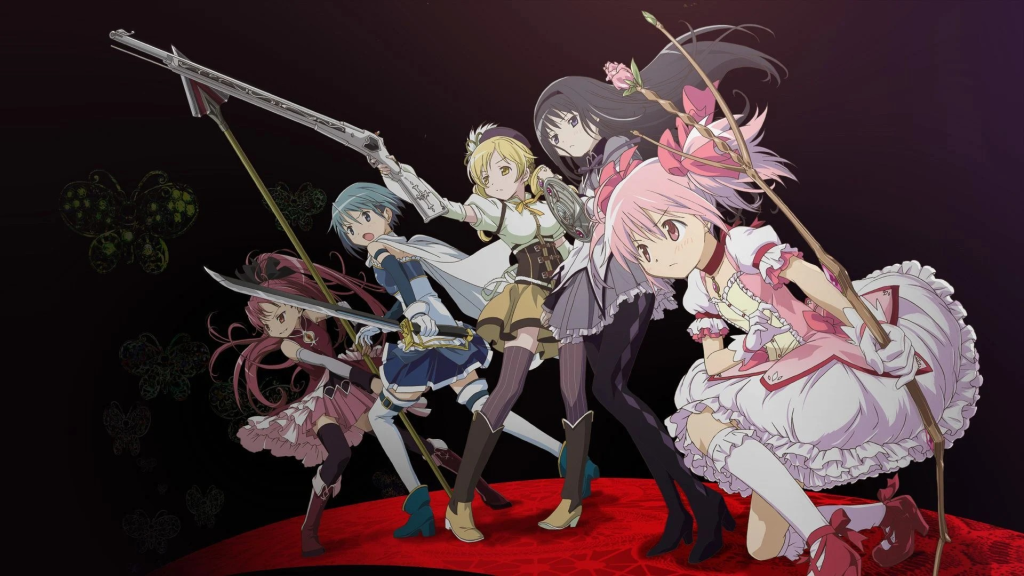
Young girl, magical transformation, talking animal companion, fighting evil with friendship and sparkles. That’s the template. And honestly, there’s a reason it works — it’s been working for decades.
Sailor Moon didn’t invent the magical girl genre but it defined it for a whole generation and it remains the most recognisable face of the genre worldwide. For a long time the formula was warm, colourful and genuinely hopeful. There’s real charm in that version of things and it shouldn’t be dismissed just because it’s aimed at younger audiences.
Then Puella Magi Madoka Magica came along in 2011 and quietly took the entire genre apart. It asked what the cost of all that hope actually is and answered in ways that genuinely shocked people. It works precisely because you go in expecting one thing and get something else entirely. Seriously, don’t read about it beforehand. Just watch it.
Both versions of this genre are alive and well today and both are worth your time depending on what you’re in the mood for.
Cardcaptor Sakura for the genre at its most gentle and warm. Madoka Magica when you’re ready for something that will actually surprise you. Sailor Moon if you want to go back to the beginning.
Relevant keywords: mahou shoujo meaning, magical girl anime explained, what is mahou shoujo, best magical girl anime
RELATED ARTICLES:
4. Slice of Life (日常) "Daily Life Anime"
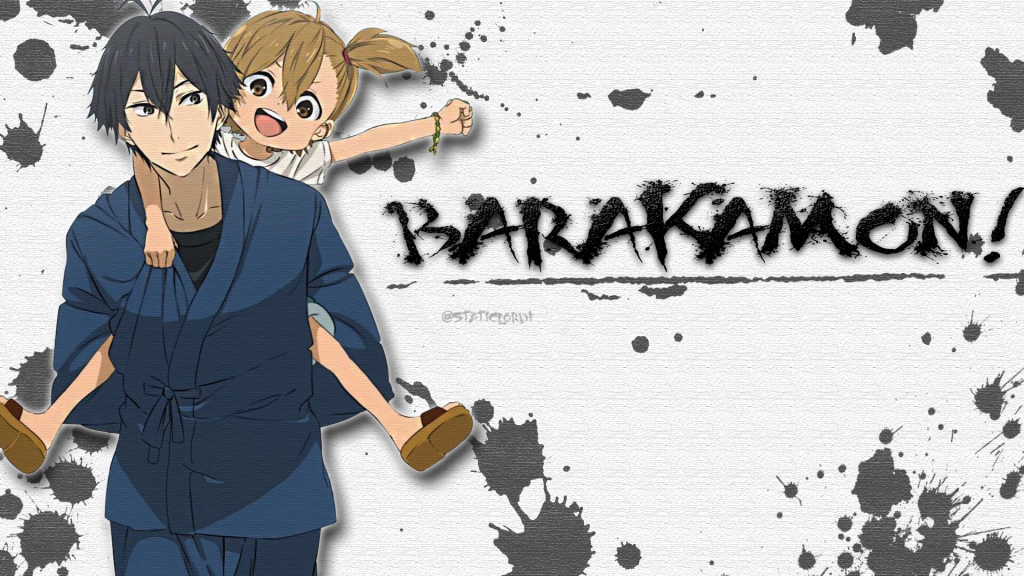
No villain. No world ending threat. No hero’s journey. Just people living their lives and the small moments that make up most of actual existence.
Slice of life trips up a lot of new anime watchers because nothing seems to be happening the way they’re used to. And then somewhere around episode three, a scene about something completely unremarkable — someone making lunch, a quiet walk home, an afternoon with friends going nowhere in particular — hits them in a way they weren’t ready for.
That’s the genre working exactly as intended. It builds intimacy instead of spectacle. The drama isn’t external, it lives in the texture of everyday life. The way people talk around the things they actually mean. The feeling of a season changing. The smallness and bigness of ordinary moments happening to ordinary people.
Barakamon is about a calligrapher who gets exiled to a rural island after losing his temper and slowly remembers why he loved his work in the first place. K-On! is about a school band that spends significantly more time drinking tea than practising music. Both will make you feel something you probably can’t fully put into words.
Barakamon is a great entry point for the genre. Toradora if you want slice of life with a stronger romance running through it. Laid-Back Camp if you just want something that genuinely relaxes you.
Relevant keywords: slice of life anime meaning, what is slice of life anime, best slice of life anime, daily life anime recommendations
RELATED ARTICLES:
5. Iyashikei (癒し系) "Healing Anime"
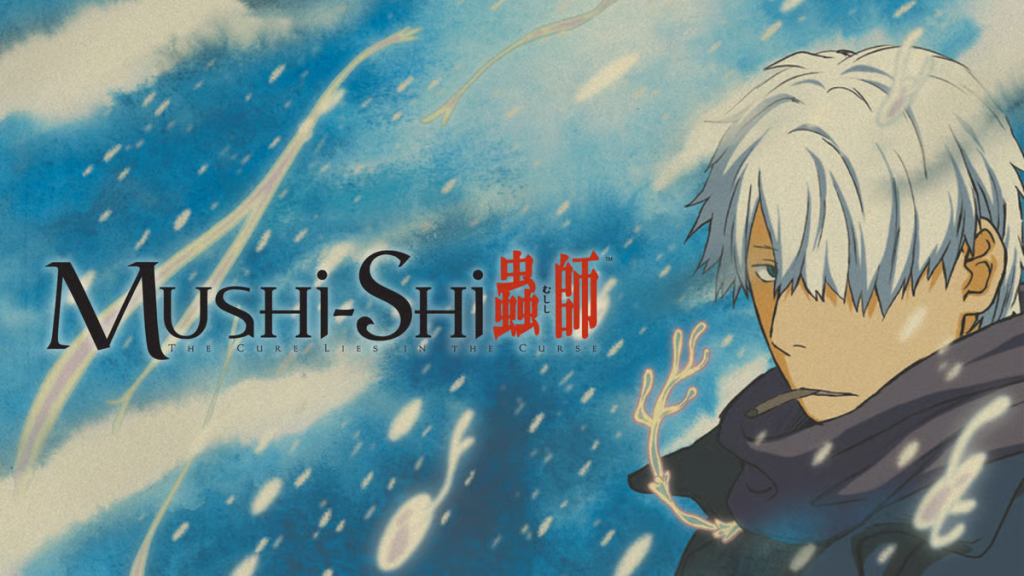
Iyashikei is slice of life taken one very specific step further. Where slice of life might still have conflict and friction and awkward moments, iyashikei deliberately removes all of that. The word comes from the Japanese verb iyasu, which means to heal or soothe, and that’s exactly the point of these shows.
They exist to give you somewhere peaceful to be for twenty minutes. No stakes, no tension, just atmosphere and warmth and the feeling of things being quietly okay.
Mushishi is probably the purest version of this — a gentle traveller moving through rural Japan encountering soft supernatural phenomena, each episode a complete little world unto itself. Non Non Biyori follows children in a sleepy countryside village where the most notable event is a new student arriving. Aria is set on a terraformed Mars styled like Venice and it is almost impossibly calm from start to finish.
If you’ve had a rough week and you want anime to just hold you gently for a bit, this is the genre you’re looking for. No other genre does this specific thing.
Mushishi is the one I’d recommend most. Non Non Biyori if you want something with a bit more character warmth alongside the calm.
Relevant keywords: iyashikei meaning, healing anime explained, what is iyashikei, best iyashikei anime, calming anime recommendations
RELATED ARTICLES:
6. Sports Anime (スポーツ)
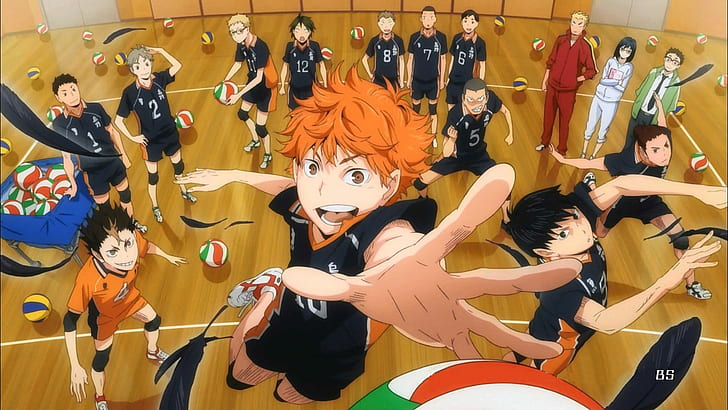
A lot of people skip sports anime. It’s honestly one of the more common mistakes new anime watchers make and I’d encourage you to reconsider it.
Sports anime is not really about the sport. The sport is just the specific kind of pressure that forces the actual story out into the open. Rivalries that become the most intense friendships you’ve ever watched. The particular loneliness of being talented but not yet good enough. What it means to pour everything you have into something with no guarantee it comes back to you.
Haikyuu!! is technically about volleyball. Actually it’s about two players who are mirror images of each other learning that they’re better together than separately. Slam Dunk is technically about basketball. Actually it’s about a delinquent discovering for what might be the first time that he genuinely loves something. The sport is always the vehicle. The emotion is always the destination.
Haikyuu!! is the easiest entry point and one of the most rewarding watches in the genre full stop. Ping Pong The Animation if you want something that uses the sports format to do something genuinely artistic with it. Blue Lock if ambition and ruthless competition are what you’re after.
Relevant keywords: sports anime recommendations, best sports anime, why watch sports anime, emotional sports anime, sports anime explained
RELATED ARTICLES:
7. Psychological Anime (心理的)
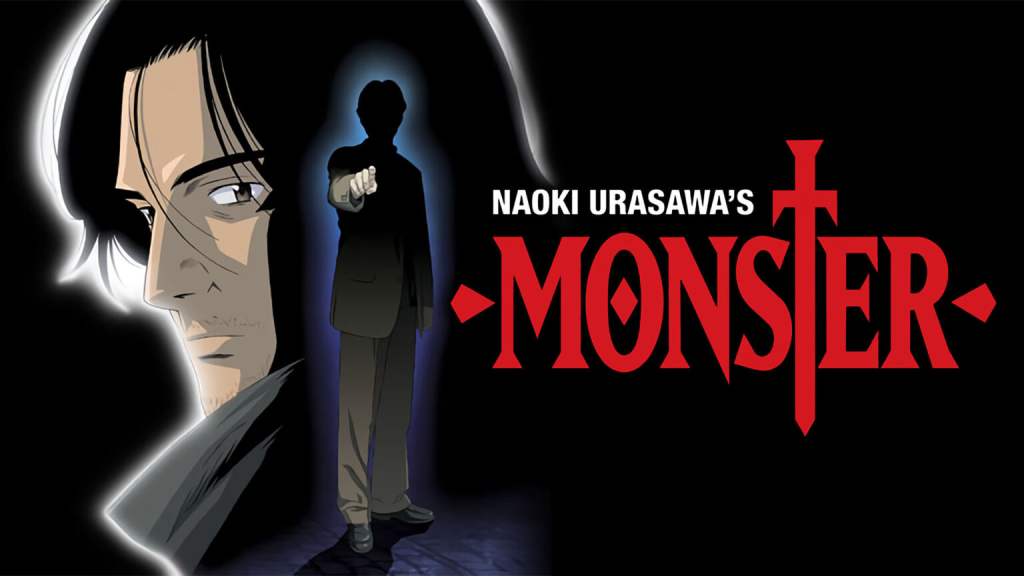
If you want anime that actually makes you think, this is where you want to be.
Psychological anime puts the focus inward rather than outward. Mind games over fight scenes. Manipulation over combat. Narrators you can’t always trust. The conflict happens as much inside characters’ heads as it does in the actual plot, and the best entries in this genre leave you sitting with questions after the credits roll.
Death Note is where most people start and it’s a reasonable starting point. A genius student finds a notebook that kills anyone whose name is written in it and uses it to try and reshape the world while a brilliant detective works to catch him without knowing who he is. It runs like a chess match for 37 episodes. Monster is slower and more novelistic, a surgeon who saves a child’s life against orders only to find decades later that the child became something terrible. Serial Experiments Lain came out in 1998 and is still one of the most unsettling and prescient things anime has ever made.
This genre asks you to actually pay attention. It’s not background watching.
Death Note first, always. Monster if you want something that takes its time properly and earns every moment of it. Serial Experiments Lain, Texhnolyze when you’re ready for something that will genuinely stay with you.
Relevant keywords: psychological anime meaning, best psychological anime, mind games anime, psychological thriller anime, what is psychological anime
RELATED ARTICLES:
- Mononoke the Movie: The Curse of the Serpent – Finale Set for 2026
- Offbeat Anime Movies that were way Ahead of their Time – Anime Cultivated
- Kite (1998) Anime Review: Is This Cult Classic Worth Watching?
- Classroom of the Elite Season 4 Announced — Premieres April 2026! New Trailer, Key Visual & Cast
- 15 Best Anime of 2025 So Far (Worth Watching)
8. Harem and Reverse Harem (ハーレム / 逆ハーレム)
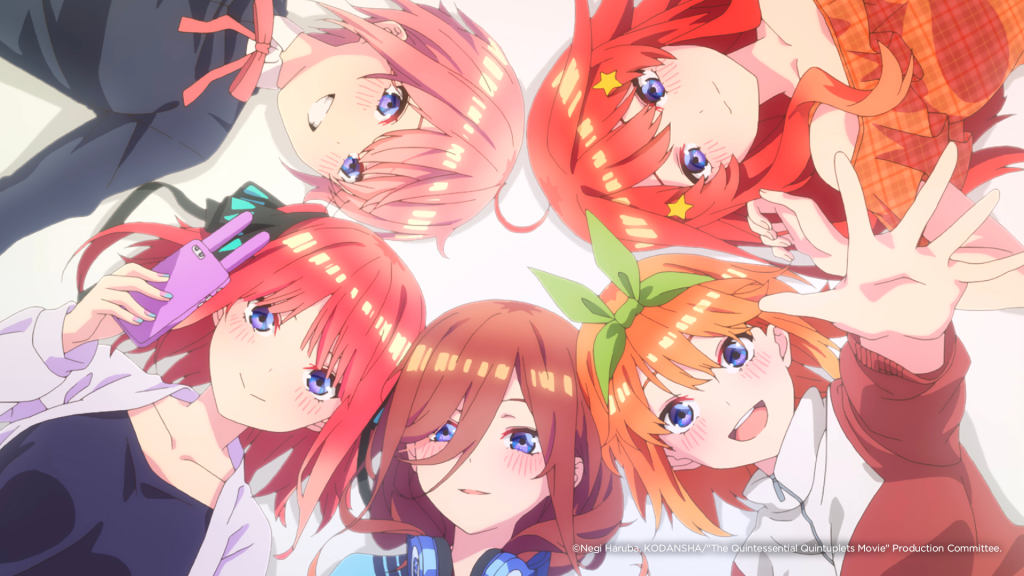
Harem anime follows one protagonist, usually a fairly average person, who ends up with multiple people romantically interested in them at the same time. The protagonist is almost always the last one in the room to notice what’s happening. The tension between the various love interests and their collective patience with this obliviousness is the engine of the genre.
The Quintessential Quintuplets is probably the best modern example of harem done well because it actually gives each of its five love interests a distinct personality and makes you genuinely care about all of them. That’s harder than it sounds. Nisekoi turned stringing the audience along into something close to an art form. Tenchi Muyo! is where much of the modern template originally came from.
Reverse harem flips the setup. One female lead, multiple devoted admirers. Ouran High School Host Club is the most beloved example and is also one of the genuinely funniest anime ever made, largely because it never stops being aware of exactly what it is.
Quintessential Quintuplets for harem at its most charming. Ouran for reverse harem that doubles as a comedy that actually earns its laughs.
Relevant keywords: harem anime meaning, what is harem anime, reverse harem anime explained, best harem anime recommendations
9. Yuri / GL (百合) and Yaoi / BL (ボーイズラブ)
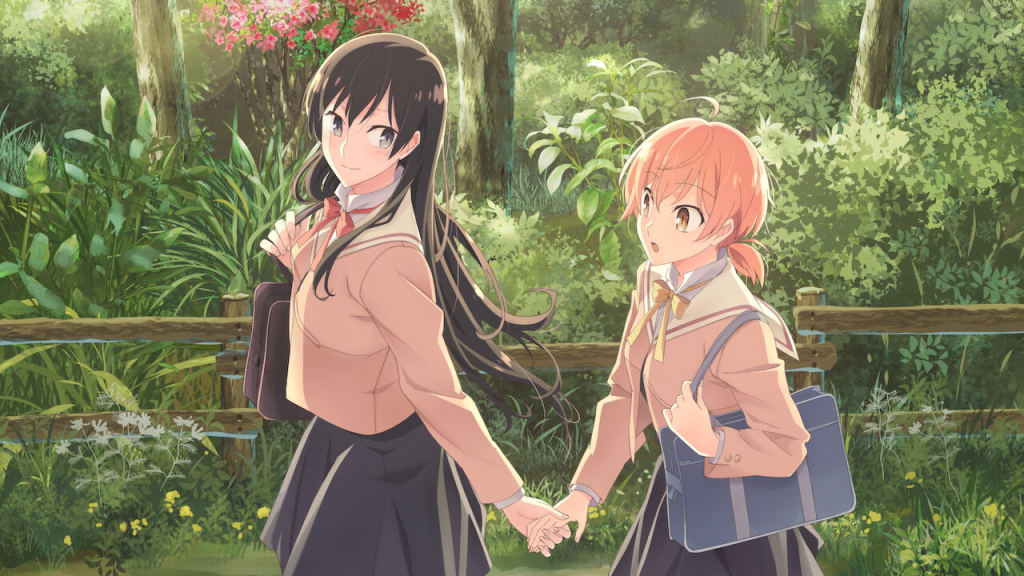
Yuri covers romantic and emotional stories between women. Yaoi, more commonly called BL or Boys Love these days, covers romantic stories between men. Both exist across a wide spectrum from quiet and emotionally grounded to more explicit, and both have passionate communities built around them.
Bloom Into You is widely considered the benchmark for yuri. It’s a slow and careful story about a girl who has never felt romantic attraction and what happens when someone loves her before she knows how to receive it. Given is the BL equivalent in terms of emotional weight — built around music, grief and two people gradually figuring out what they feel for each other.
Worth knowing for context: the audience for BL has historically been predominantly women, which goes back to its roots in Shoujo manga. Understanding that makes the genre make a lot more sense if you’re coming to it from the outside.
Bloom Into You for yuri, no question. Given for BL, especially if you want something that earns its emotions through character first and romance second.
Relevant keywords: yuri anime meaning, BL anime explained, boys love anime, what is yaoi, best yuri anime, best BL anime recommendations
RELATED ARTICLES:
Universal Genres — Quick Reference
These don’t need much explanation because you already know them from films and books. Here’s just where they sit in anime:
Action — Combat, high energy battles, physical spectacle. Demon Slayer, Jujutsu Kaisen, Sword Art Online
Adventure — Journeys, quests, exploration and discovery. One Piece, Made in Abyss, Hunter x Hunter
Romance — Love as the central thread of the story. Toradora, Your Lie in April, Fruits Basket
Comedy — Absurdity, comic timing, controlled chaos. Gintama, Konosuba, Daily Lives of High School Boys
Horror — Dread, fear, psychological and physical terror. Higurashi, Junji Ito Collection, Another
Fantasy — Magic systems, mythical worlds, supernatural powers. Fullmetal Alchemist, Overlord, Re:Zero, Daemons of the Shadows
Sci-Fi — Technology, futures, philosophical what-ifs. Steins;Gate, Ghost in the Shell, Trigun
Drama — Emotional weight and character driven conflict. Clannad, AnoHana, A Silent Voice
Supernatural — Spirits, curses, yokai and unexplained phenomena. Noragami, Bleach, Blue Exorcist
Historical — Set in real or real-inspired time periods. Vinland Saga, Dororo, Golden Kamuy
One thing worth keeping in mind — most anime stacks several of these at once. Fullmetal Alchemist Brotherhood is action, fantasy and drama simultaneously, with Shonen DNA running through all of it. The genre label is always a starting point, never the complete picture.
A Quick Word on Ecchi and Hentai
Worth addressing because these two come up and are easy to mix up.
Ecchi is anime that’s suggestive and fanservice-heavy without crossing into explicit territory. It shows up across multiple genres and demographics, usually played for comedy or audience appeal. It’s common, it’s popular, and you’ll recognise it immediately when you encounter it.
Hentai is explicit adult animation and it’s a completely separate category from mainstream anime. Produced differently, distributed differently, and not what people generally mean when they talk about watching anime. The word itself just means pervert in Japanese, which makes it genuinely funny when Western fans use it casually around Japanese people who don’t expect it.
And I know what you are looking for. Recommendation on this genre is actually not my expertise.
Putting It All Together
So here’s where we are after Part 1 and Part 2 combined. In this Part, we have heavily talked about Genres. Now, I if you have read both the blogs you know that Shonen is not a Genre! lol!
Demographics tell you who a show is made for. Shonen, Shoujo, Seinen, Josei, Kodomomuke.
Genres tell you what the story is actually about. Isekai, Mecha, Mahou Shoujo, Slice of Life, Iyashikei, Sports, Psychological, Harem, Yuri, BL, and everything in the universal genres section.
Stack these on top of each other and anime’s classification system starts to make real sense. Yona of the Dawn is Shoujo as a demographic and Adventure, Romance and Fantasy as genres. Death Note is Shonen as a demographic and Psychological Thriller as its genre. The labels layer on top of each other rather than replacing each other.
Labels are useful. They’re just not the whole story.
Part 3 is the fun one — character archetypes, fandom vocabulary, and all the terms that explain why anime culture feels the way it does. Tsundere, Yandere, Waifu, Otaku, Filler, OVA, Chibi and more are all coming.
Related Articles
- JoJo’s Bizarre Adventure: Steel Ball Run Anime – Netflix Release Date & Part 7 Guide
- 18 Best Romance Anime Where Enemies Become Lovers
- The Most Awaited Anime of 2026 (So Far)
- Devil May Cry Season 2: Release Date, Vergil’s Debut & More
- Frieren Divine Revolte Arc Season 2 Release Date & More
- 50 Most Underrated Anime — The Best Recs You’ll Ever Get!
- Top 10 Romance Anime You Can Finish in One Night
- Fall 2025 Anime Guide: 15 Shows Every Otaku Needs on Their Watchlist
Leave a Comment